
Abdul Wadud: The Pioneering Cellist of Avant-Garde Jazz
Abdul Wadud was an American cellist and composer who redefined the role of the cello in modern jazz and creative music. Hailing from Cleveland, Ohio, his primary achievement was not commercial chart success but his profound influence as a key architect of the avant-garde jazz sound of the 1970s and 1980s.
Early career
Born in 1947, Abdul Wadud (born Ronald DeVaughn) began his musical journey on the violin before switching to cello. He studied classically at Youngstown State University and the Manhattan School of Music, but his path shifted toward jazz after moving to New York City. His early professional work included collaborations with saxophonist Julius Hemphill, a partnership that would become central to his career.
Breakthrough
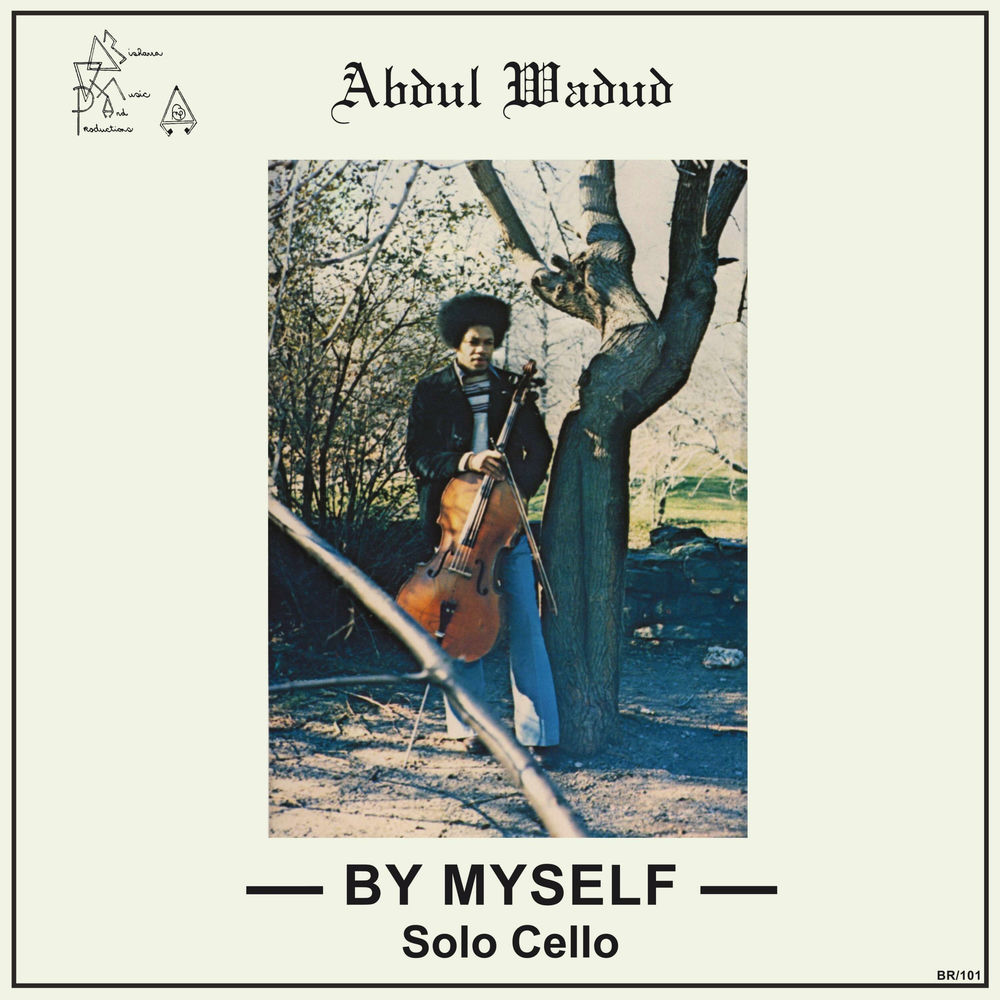
Wadud's breakthrough came through his integral role in the groundbreaking World Saxophone Quartet, co-founded by Hemphill in 1976. While not a core member, his cello work on the group's early albums and, more importantly, on Hemphill's seminal 1977 solo album Blue Boyé on the Mbari label, established him as a unique voice. His 1978 solo album By Myself, released on the Bisharra label, stands as a landmark recording, being one of the very first solo cello albums in the jazz idiom.
Key tracks
Oasis — This track from his solo album By Myself showcases his revolutionary technique of playing bass lines, chords, and melodies simultaneously on the cello.
The Painter — Featured on Julius Hemphill's Blue Boyé, this piece highlights Wadud's ability to provide both rhythmic foundation and contrapuntal dialogue within a small ensemble setting.
Rites — Another standout from his solo record, this composition demonstrates his classical training fused with a deep blues sensibility and exploratory improvisation.
Throughout the late 1970s and 1980s, Abdul Wadud became a sought-after collaborator in the loft jazz scene. He recorded and performed extensively with Julius Hemphill's various ensembles and worked with other luminaries like Arthur Blythe, Anthony Davis, and James Newton. His cello playing was not merely supportive; it was often a lead voice, capable of gritty, bowed bass lines and delicate, singing melodies that expanded the textural palette of creative music.
Wadud's later career included work with drummer Steve McCall's group and saxophonist Hamlet Blulett. While he stepped back from active public performance in the 1990s, his recorded legacy continued to inspire new generations of string players in jazz. His approach directly challenged the traditional confines of his instrument, cementing his status as a pivotal, if under-sung, innovator in American avant-garde jazz.
Listeners exploring the lineage of creative jazz will also appreciate the work of Julius Hemphill, whose collaborative partnership with Wadud was foundational. The adventurous compositions of Anthony Davis also feature Wadud's distinctive cello work. For a different perspective on strings in jazz, investigate the recordings of violinist Leroy Jenkins, a contemporary in the Association for the Advancement of Creative Musicians.
Abdul Wadud's catalog remains a staple on specialist radio stations dedicated to avant-garde jazz, experimental music formats, and public radio programs focusing on jazz history. His recordings receive regular airplay on independent music radio stations that champion the deep history of American creative music.
The innovative music of Abdul Wadud can be heard on radio stations featured on our website. Listeners can discover his groundbreaking cello work by tuning into the avant-garde jazz and classic jazz stations available on onairium.com.