
Affinity: The UK's Pioneers of Progressive Jazz-Rock
Affinity was a British band that expertly fused progressive rock with jazz and blues influences in the late 1960s and early 1970s. Hailing from England, their primary achievement was the release of a critically acclaimed self-titled album in 1970, which has since become a sought-after collector's item among fans of the genre.
Early career
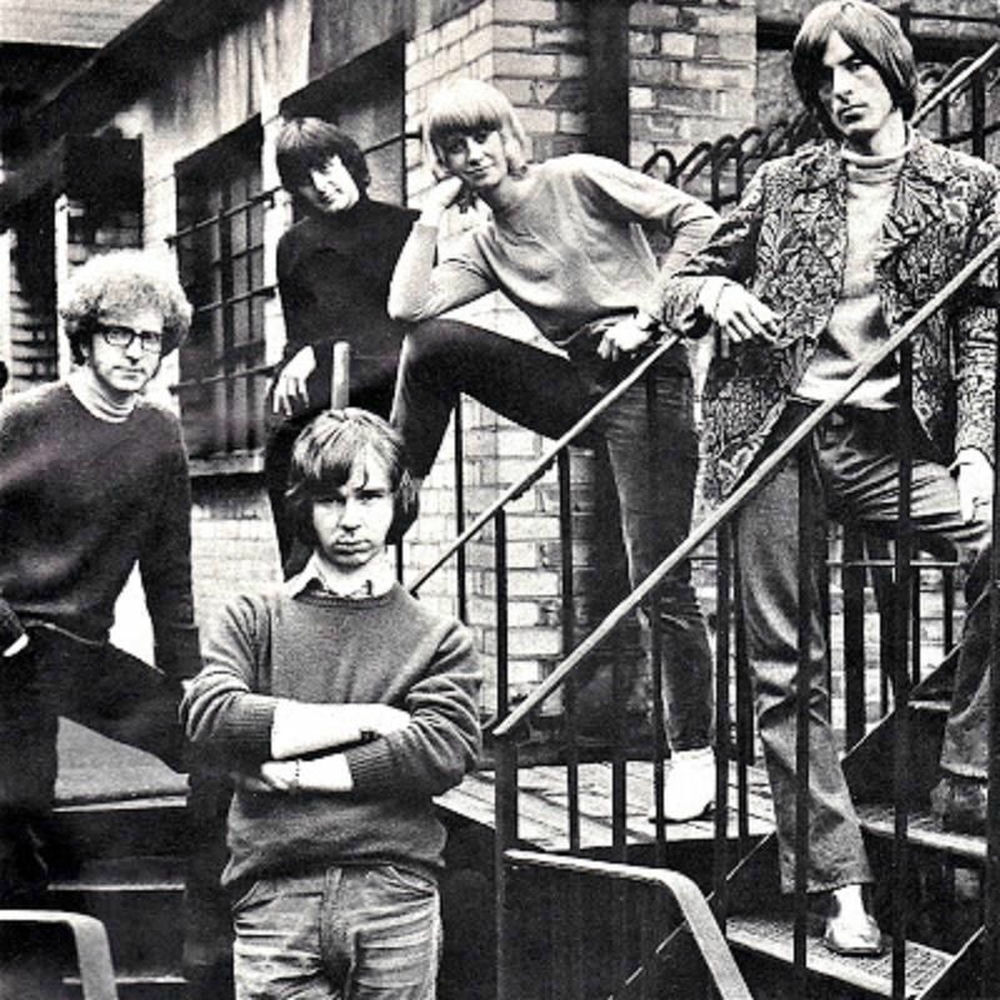
The band formed in 1969, emerging from the vibrant university and jazz club scene in England. The original lineup featured vocalist Linda Hoyle, keyboardist Lynton Naiff, guitarist Mike Jopp, bassist Mo Foster, and drummer Grant Serpell.
Their early sound was rooted in jazz standards but quickly evolved to incorporate complex, original compositions. They secured a recording contract with the Vertigo label, known for its innovative "swirl" logo and roster of progressive acts.
Breakthrough
Affinity's breakthrough arrived in 1970 with the release of their sole, self-titled studio album on Vertigo. The album did not achieve mainstream chart success but garnered immediate respect for its sophisticated musicianship and Hoyle's powerful vocals.
It has endured as a cult classic, with original vinyl pressings commanding high prices. The album's blend of rock energy and jazz improvisation defined their brief but impactful career.
Key tracks
I Am and So Are You — This dynamic opening track immediately established the band's potent fusion of Hammond organ-driven rock and jazz phrasing.
Night Flight — A showcase for Linda Hoyle's soulful and commanding voice, this song became a staple of their live performances.
Three Sisters — An instrumental piece highlighting the group's technical prowess and cohesive, improvisational interplay.
Yes Man — This socially conscious track demonstrated the band's ability to weave lyrical themes into complex musical arrangements.
Following the album's release and subsequent touring, Linda Hoyle departed for a solo career in 1971. The remaining members attempted to continue with a new vocalist, releasing a few singles, but the band dissolved shortly after.
Their legacy was cemented by archival releases, including the 1971 live recordings from the "Affinity at the BBC" sessions. The original lineup reunited briefly in the early 2000s for a series of celebrated live shows, reaffirming their influence.
For fans of Affinity's intricate style, similar artists from the same era include If, another British group that blended jazz and rock with a horn section. The vocal-led progressive rock of Curved Air shares a similar artistic ambition and theatricality. The jazz-inflected rock of Nucleus, led by Ian Carr, explores parallel musical territory. Listeners may also appreciate the early work of Colosseum, which features a comparable fusion of blues, jazz, and progressive elements.
Affinity's music maintains a steady presence on specialist radio formats. Their album is regularly featured on classic rock FM stations with a focus on deep cuts, as well as on dedicated online progressive rock radio streams. Independent music radio stations celebrating the history of jazz-rock often program their tracks, introducing new generations to their sound.
You can hear the pioneering music of Affinity on radio stations featured on our website. Listeners can discover or revisit this foundational jazz-rock act through the curated classic rock and progressive radio stations available on onairium.com.