
Albert Ayler: The Revolutionary Spirit of Free Jazz
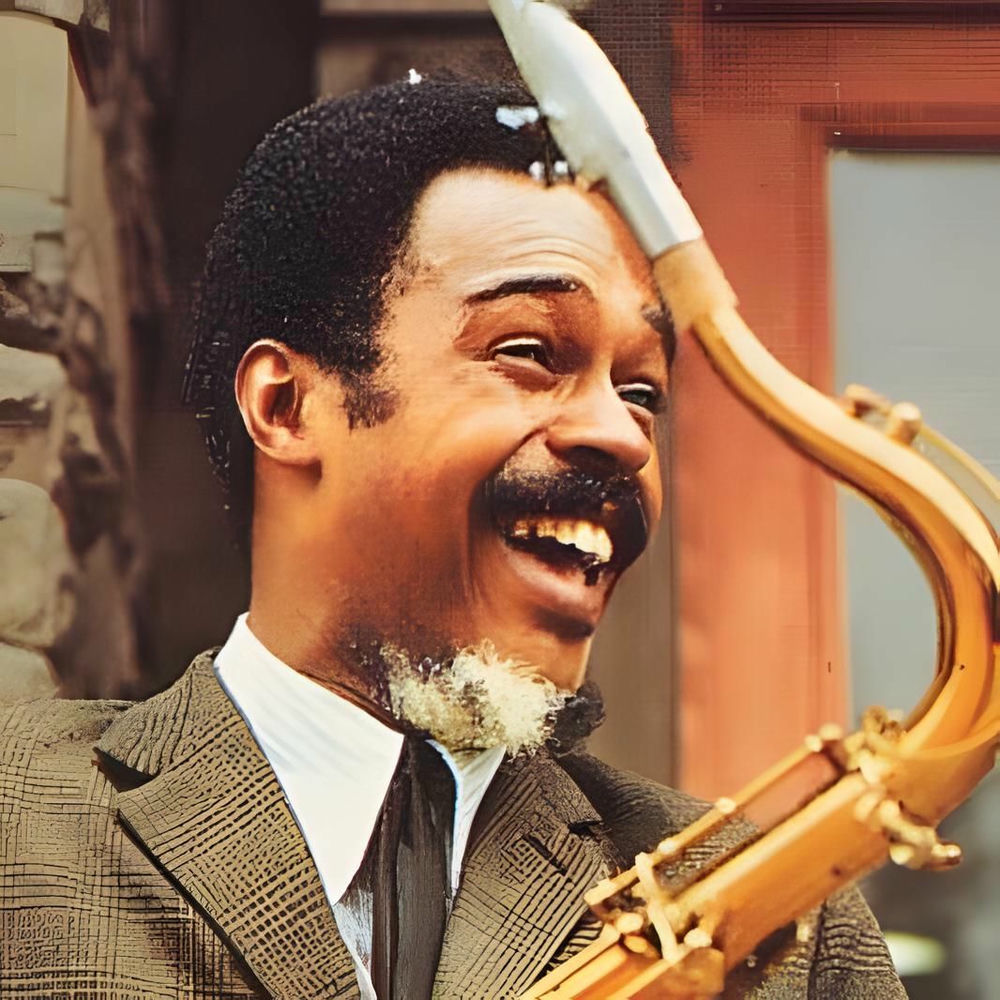
Albert Ayler was an American saxophonist and composer who fundamentally reshaped the sound of jazz in the 1960s. Hailing from Cleveland, Ohio, his radical approach to improvisation and sound remains a towering, if commercially unheralded, achievement in the genre's history.
Early career
Born in 1936, Albert Ayler began his musical life playing alto saxophone in R&B and bebop bands. After a stint in the army, he moved to Sweden in 1962, where his first recordings, like My Name Is Albert Ayler for the Bird Notes label, hinted at the explosive style to come.
Breakthrough
Ayler's true breakthrough came after relocating to New York and signing with the ESP-Disk label. His 1964 album Spiritual Unity, featuring bassist Gary Peacock and drummer Sunny Murray, became a landmark of free jazz, though it achieved no chart positions or certifications, its influence was immediate and profound within the avant-garde community.
Key tracks
Ghosts: First Variation — This anthem-like theme became Ayler's most recognizable composition, encapsulating his blend of marching band melodies and ecstatic improvisation.
Truth Is Marching In — Ayler channeled gospel and folk influences into a powerful, sweeping performance that redefined jazz spirituality.
Bells — Recorded live in a single take, this raw, collective improvisation showcased the intense communication of his quintet.
Spirits Rejoice — This track illustrated Ayler's move towards incorporating martial rhythms and almost orchestral density into his free jazz explorations.
His later work for the Impulse! label, including the 1968 album New Grass, attempted a controversial fusion with rock and soul rhythms, alienating some purists but demonstrating his restless creative spirit. Collaborations with musicians like his trumpeter brother Donald Ayler and violinist Michel Samson defined distinct phases of his short but prolific career.
For listeners exploring the frontiers of free jazz, similar artists in our database include John Coltrane, who was deeply influenced by Ayler's late-period work. Pharoah Sanders also shared Ayler's interest in spiritually charged, expansive saxophone sounds. Ornette Coleman provided an earlier blueprint for melodic freedom that Ayler pushed further. Sun Ra paralleled Ayler's use of jazz as a vehicle for cosmic expression and Afrocentric themes.
Albert Ayler's recordings are a staple on freeform jazz radio stations, specialty avant-garde shows, and independent music radio stations dedicated to exploring jazz's outer limits. His music maintains a constant presence in programming focused on historical innovation.
The visionary music of Albert Ayler can be heard on free jazz and experimental radio stations featured on our website. Listeners can discover his groundbreaking catalog through the dedicated radio stations available on onairium.com.