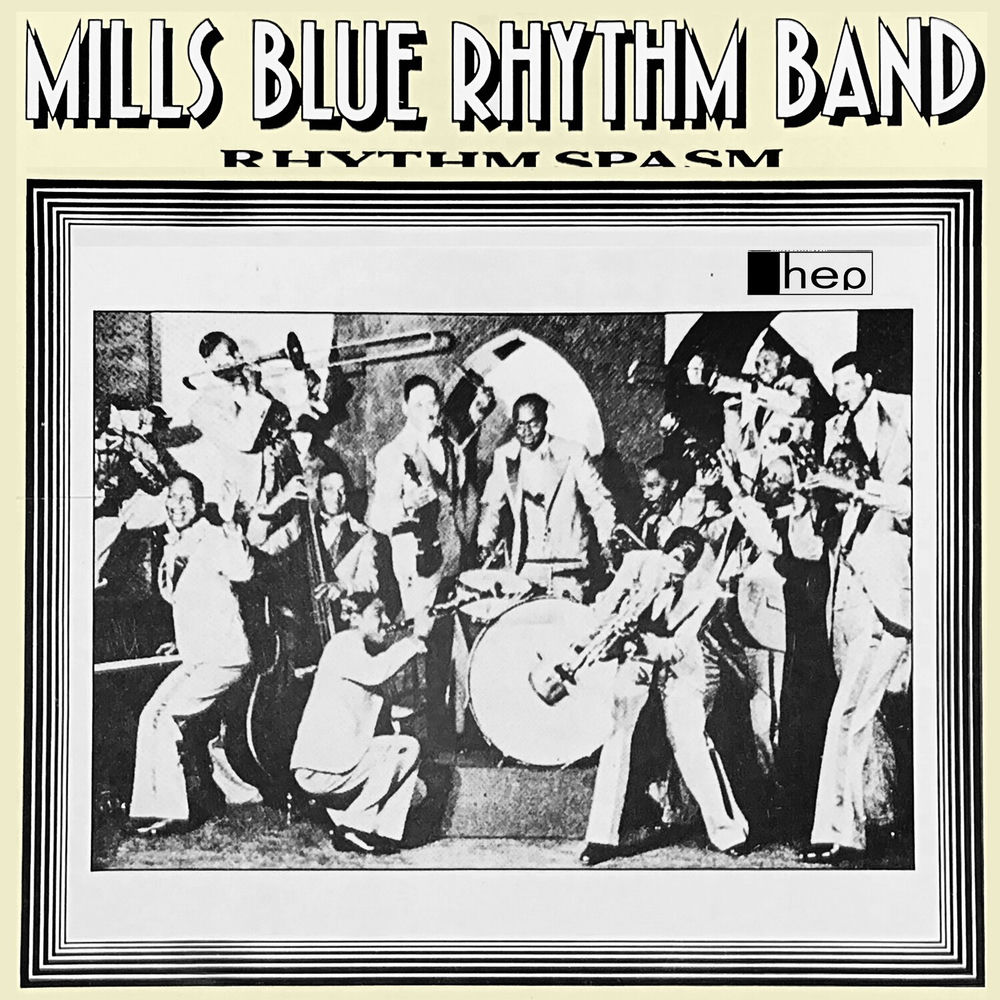

Mills Blue Rhythm Band: Pioneers of the Swing Era
The Mills Blue Rhythm Band was a prominent American swing and jazz orchestra active during the 1930s. Hailing from New York City, the ensemble became a fixture at the famed Cotton Club and recorded extensively for major labels like RCA Victor and Columbia, leaving a lasting mark on the big band sound.
Early career
The group was originally formed in 1930 as the "Blue Rhythm Band" under the management of drummer and music publisher Willie Lynch. Quickly, the band came under the wing of Irving Mills, a powerful manager and publisher who represented Duke Ellington, and was renamed the Mills Blue Rhythm Band in 1931. This association provided steady work at top venues and immediate entry into recording studios.
Breakthrough
The band's breakthrough into national prominence was solidified by its residency at the Cotton Club in 1932 and a prolific recording schedule. While they did not achieve the singular chart-topping hits of some contemporaries, their consistent output of high-energy swing for labels like Brunswick and Victor built a substantial reputation. Their 1934 recording of "Harlem Heat" is often cited as a defining early success.
Key tracks
Harlem Heat — This 1934 instrumental showcased the band's powerful, driving style and became one of their signature numbers.
Ride, Red, Ride — Featuring the fiery trumpet of Henry "Red" Allen, this 1936 track exemplifies the band's soloist-driven intensity.
Blue Rhythm Fantasy — A sophisticated arrangement that highlighted the ensemble's musical precision and forward-thinking approach to swing.
Truckin' — Their vibrant 1935 recording of this popular tune captured the essence of the dance-craze era and remains a classic.
The band served as a proving ground for exceptional talent, with a rotating lineup that included legendary musicians like trumpeter Henry "Red" Allen, clarinetist Buster Bailey, and trombonist J.C. Higginbotham. Although they never had a permanent star vocalist, they frequently accompanied top singers such as Bing Crosby on radio broadcasts. Their recorded legacy spans hundreds of sides, documenting the evolution of swing music throughout the decade.
For fans of the driving, ensemble-focused sound of the Mills Blue Rhythm Band, the swing genre offers other stellar orchestras. The sophisticated arrangements of Duke Ellington share a similar harmonic complexity. The explosive power of Chick Webb and his orchestra mirrors their energetic rhythm section. The precise, swinging style of Jimmie Lunceford offers a comparable level of disciplined musicality.
The music of the Mills Blue Rhythm Band maintains a vital presence on radio, featured on dedicated classic jazz and swing stations, as well as on public radio programs exploring the history of American music. Their recordings are essential listening for anyone studying the big band era and are regularly programmed to illustrate the period's vibrant energy.
You can experience the timeless swing of the Mills Blue Rhythm Band on radio stations featured on our website. Listeners can discover their influential catalog through the classic jazz and historical music stations available on onairium.com.