Albert Mangelsdorff Quintet: Pioneers of European Jazz
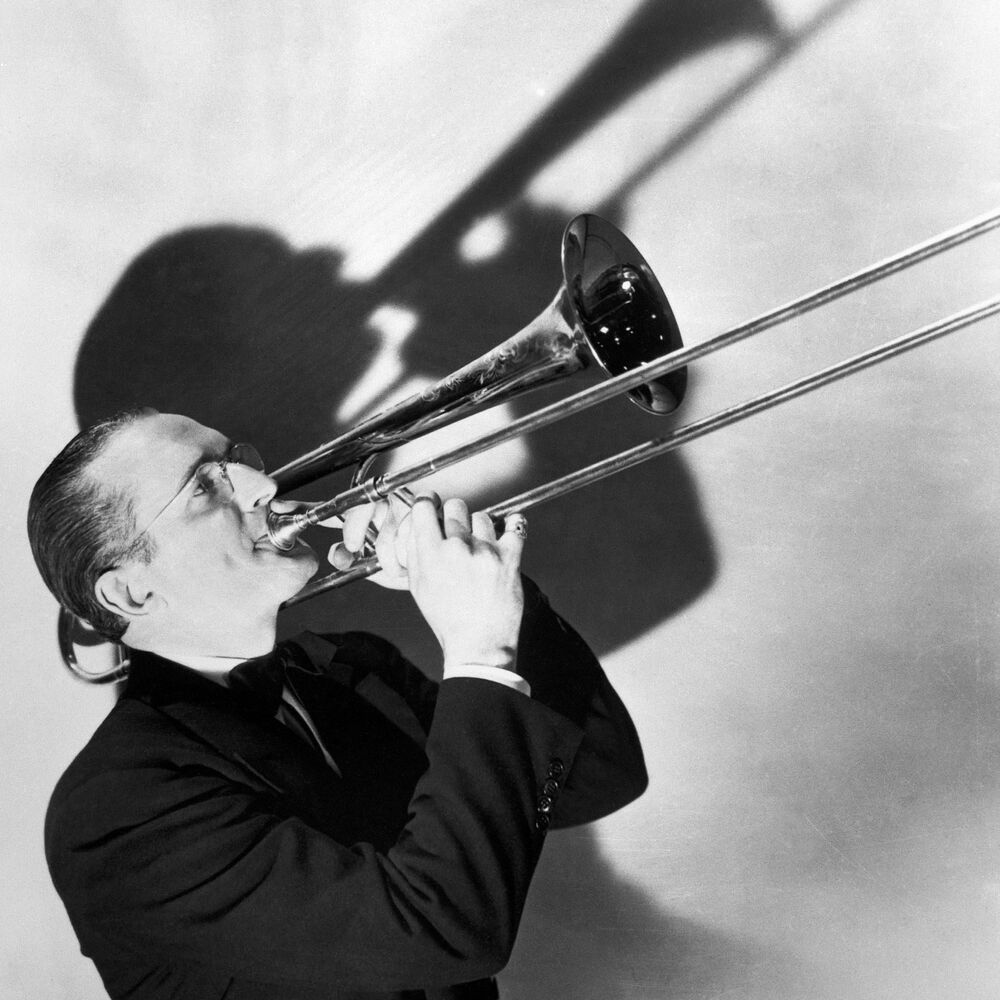
The Albert Mangelsdorff Quintet was a groundbreaking ensemble in the European jazz scene of the 1960s. Hailing from Germany, the group is celebrated for its innovative approach to hard bop and free improvisation, leaving a lasting legacy through influential recordings on labels like CBS and MPS.
Early career
The quintet was formed in 1958 by trombonist and bandleader Albert Mangelsdorff in Frankfurt. Mangelsdorff, born in 1928, had already established himself as a versatile musician in the German jazz landscape. The original lineup featured Heinz Sauer on tenor saxophone, Günter Kronberg on alto sax, Günter Lenz on bass, and Ralf Hübner on drums.
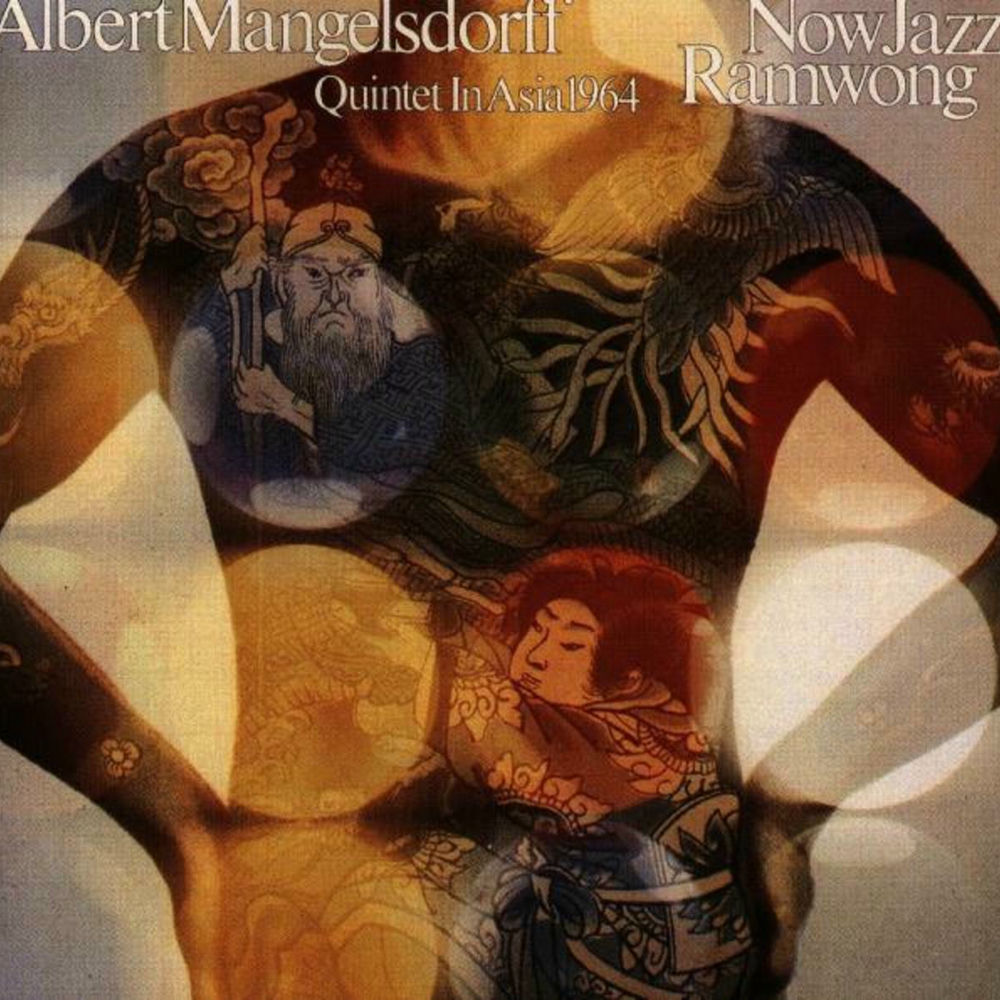
Their early work was rooted in the hard bop tradition but quickly began to show a distinct European character. The group's first major recording opportunity came with the German label CBS, leading to their debut album Now Jazz Ramwong in 1964, which hinted at their exploratory direction.
Breakthrough
The quintet's true breakthrough came in the mid-1960s as they fully embraced a more avant-garde and collectively improvisational style. A pivotal moment was their performance at the 1964 Berlin Jazz Festival, which garnered critical acclaim across Europe. This recognition solidified their reputation as leaders of the new German jazz movement.
Their albums from this period, such as Tension (1963) and Folk Mond & Flower Dream (1967) for CBS, are considered classics. While not achieving mainstream chart success, these records achieved significant artistic recognition and strong sales within the jazz community, establishing the quintet's influential voice.
Key tracks
Now Jazz Ramwong — This title track from their debut album showcased their unique fusion of jazz with exotic rhythms, setting them apart from American contemporaries.
Tension — A composition that perfectly encapsulates the group's energetic, forward-driving style and complex interplay between the horns.
Rumpelstilzchen — A later recording that demonstrates the quintet's mastery of free collective improvisation while maintaining a coherent musical structure.
Die Weihnachtsmaus — Highlighting their playful and inventive side, this track is a staple of their live performances and later compilations.
The Albert Mangelsdorff Quintet disbanded in 1971 as members pursued other projects, but their influence endured. Mangelsdorff himself continued a prolific solo career, famed for his revolutionary multiphonic trombone techniques. The quintet's catalog, especially the recordings for the MPS label in the late 1960s like Live at the Domicile Munich, remains essential listening for students of European jazz.
Fans of the Albert Mangelsdorff Quintet's innovative jazz may also explore Wolfgang Dauner, whose work similarly bridges composition and free improvisation. Alexander von Schlippenbach represents the more avant-garde wing of German jazz. The collaborative spirit is echoed in Globe Unity Orchestra, a large ensemble featuring many key European figures. For another seminal German group, listen to Klaus Doldinger and his earlier, more soul-jazz oriented recordings.
The pioneering sounds of the Albert Mangelsdorff Quintet maintain a steady presence on dedicated jazz radio stations. Their recordings are frequently featured on specialist programs focusing on European jazz history, avant-garde explorations, and classic hard bop on both FM and online radio streams.
You can experience the innovative music of the Albert Mangelsdorff Quintet on radio stations featured here. Listeners can discover this cornerstone of German jazz through the curated stations available on onairium.com.