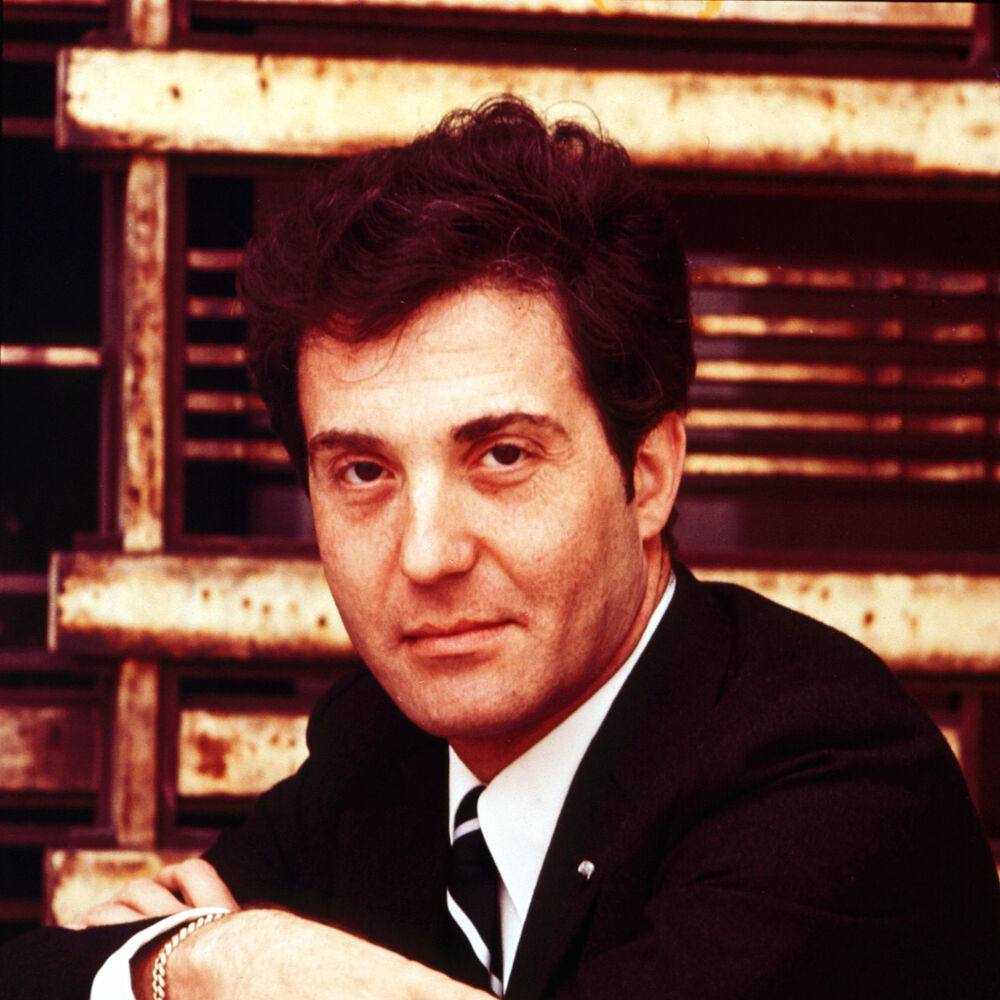


Alessandro Marcello: Venetian Baroque Composer
Alessandro Marcello was an Italian nobleman and composer of the late Baroque period. Hailing from Venice, he is best known for his elegant and expressive concertos, particularly his Oboe Concerto in D minor, which remains a staple of the instrument's repertoire.
Early career
Alessandro Marcello was born in Venice in 1669 into an aristocratic family. His activities as a composer were pursued as a dilettante, a common practice for noblemen of his time, yet his musical output demonstrated considerable skill and invention.
He published his collections under the pseudonym "Eterio Stinfalico," a name associating him with the Accademia dell'Arcadia. His early published works include a set of solo cantatas and concertos.
Breakthrough
Marcello's breakthrough in terms of lasting recognition came posthumously through a single instrumental work. His Oboe Concerto in D minor achieved enduring fame, though its popularity was significantly bolstered by a later transcription by Johann Sebastian Bach.
Bach adapted the concerto for solo harpsichord (BWV 974), which greatly increased its circulation and cemented its place in the Baroque canon. The original concerto is admired for its lyrical slow movement and its overall formal clarity.
Key tracks
Oboe Concerto in D minor - This is Marcello's most famous work, celebrated for its poignant adagio and its significance in the oboe repertoire.
Concerto a 5 in D minor for Oboe and Strings - Often referenced as the same or a related work to his famous oboe concerto, it showcases his talent for melodic writing within the Italian concerto form.
La Cetra: 12 Concerti - This published collection of concertos demonstrates his broader output and mastery of the instrumental genre alongside contemporaries like Vivaldi.
Various Cantatas - Marcello's vocal music, including solo cantatas, reflects the sophisticated secular vocal style prevalent in early 18th-century Italy.
His compositional style is often noted for its conservative yet expressive approach compared to the more flamboyant works of his Venetian contemporary, Antonio Vivaldi. Alessandro Marcello died in Padua in 1747, leaving a modest but influential body of work. His brother, Benedetto Marcello, was also a renowned composer of the period. For listeners of Baroque music, the intricate concertos of Antonio Vivaldi share the Venetian spirit. The refined instrumental works of Tomaso Albinoni offer a similar elegance. The keyboard transcriptions of Johann Sebastian Bach connect directly to Marcello's legacy. The concerti grossi of Arcangelo Corelli represent the earlier Italian Baroque tradition he worked within.