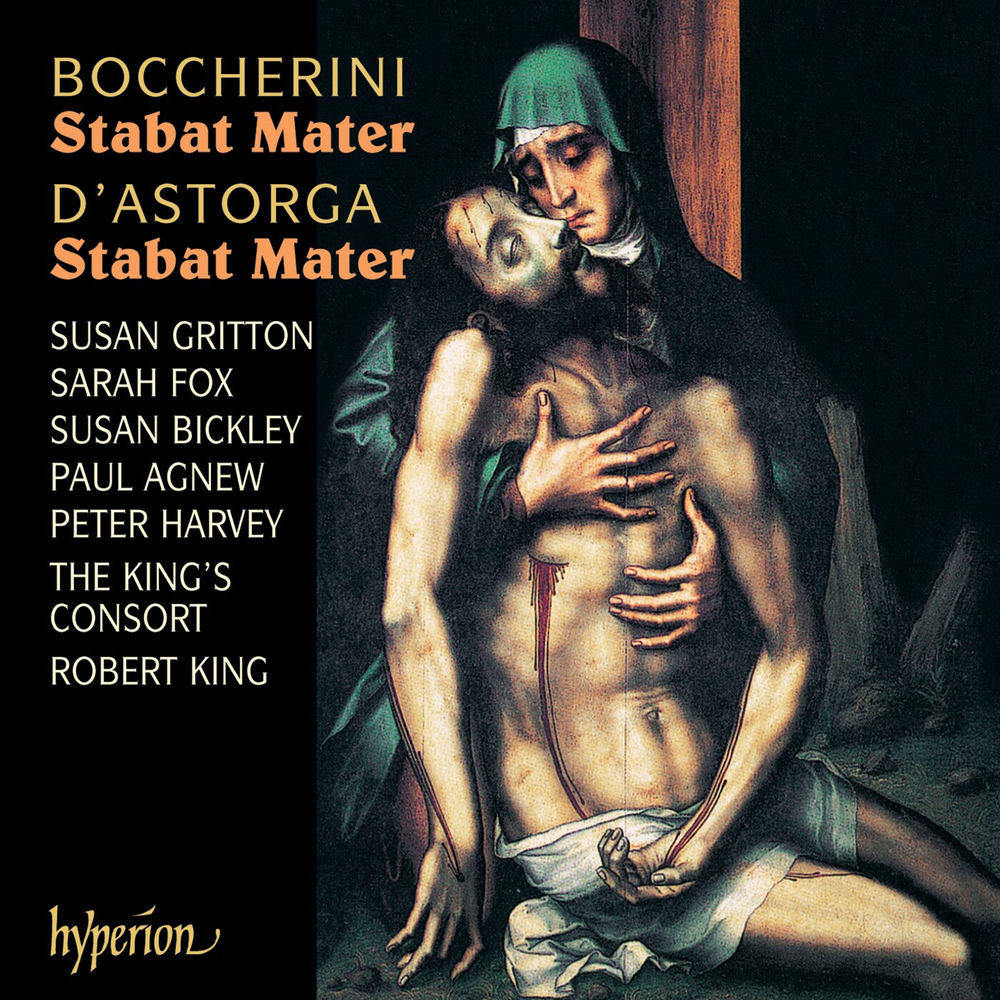

Luigi Boccherini: Master of the Classical Cello
Luigi Boccherini was an Italian composer and virtuoso cellist of the Classical era, celebrated for his prolific and influential chamber music output. His vast catalog, particularly his string quintets and cello concertos, remains a cornerstone of the classical repertoire and is widely performed and recorded to this day.
Early career
Born in Lucca, Italy in 1743, Boccherini received early training from his father, a double bass player. He quickly gained fame as a cello prodigy, touring Europe before settling in Madrid, Spain in 1768, where he found patronage from the Spanish Infante Don Luis.
His early publications, including sets of string trios and quartets, established his elegant and melodically rich style. These works circulated widely, building his reputation across the continent even before his most famous compositions were written.
Breakthrough
Boccherini's mature style and international fame crystallized in the 1770s and 1780s. His appointment as "Composer and Virtuoso of the Chamber" to the Infante provided the stability to produce a staggering volume of work, including the seminal String Quintet in E major, Op. 11, No. 5 (G 275), famous for its Minuet.
While 18th-century chart positions and certifications did not exist, his music's success was measured by its publication in major European cities like Paris and London and its frequent performance in aristocratic salons. His Cello Concerto in B-flat major (G 482) became a standard of the instrument's repertoire.
Key tracks
String Quintet in E major, Op. 11, No. 5 (G 275) — Its instantly recognizable Minuet movement became Boccherini's signature piece, ensuring his name endured for centuries.
Cello Concerto No. 9 in B-flat major (G 482) — This concerto showcases the cello's lyrical and technical possibilities, cementing his legacy as a pioneer for the instrument.
String Quintet in C major, Op. 30, No. 6 (G 324) "Musica notturna delle strade di Madrid" — This vividly programmatic work depicts scenes of Madrid, demonstrating his innovative and descriptive compositional skill.
Guitar Quintet No. 4 in D major (G 448) "Fandango" — A later work blending classical structure with Spanish folk rhythms, highlighting his adopted cultural influences.
Following the death of his patron in 1785, Boccherini's circumstances became less secure, though he continued to compose prolifically for new employers, including King Frederick William II of Prussia. His later works, including the guitar quintets, often infused a deeper, more passionate character.
Despite facing financial hardship in his final years, Boccherini left behind an immense legacy of over 500 works. His music, characterized by graceful melodies, refined craftsmanship, and inventive cello writing, provides a vital link between the styles of Haydn and the emerging Romantic sensibility.
For listeners exploring the classical landscape, similar artists featured on our site include Joseph Haydn whose development of chamber music forms parallels Boccherini's. Discover Wolfgang Amadeus Mozart for the pinnacle of Viennese Classical elegance and innovation. The lyrical string writing of Antonio Vivaldi provides a compelling Baroque precursor. Explore Carl Philipp Emanuel Bach for the expressive, empfindsamer Stil that influenced Boccherini's emotional depth.
Boccherini's elegant compositions are a staple on classical music radio stations worldwide. His string quintets and concertos are regularly featured in the rotations of dedicated classical FM broadcasters and online streams specializing in Baroque and Classical era repertoire.
The music of Luigi Boccherini continues to be broadcast on the curated classical radio stations available through our network. Listeners can discover his essential chamber works and concertos by tuning into the dedicated classical channels