Claudio Villa: The Golden Voice of Italian Melodic Song
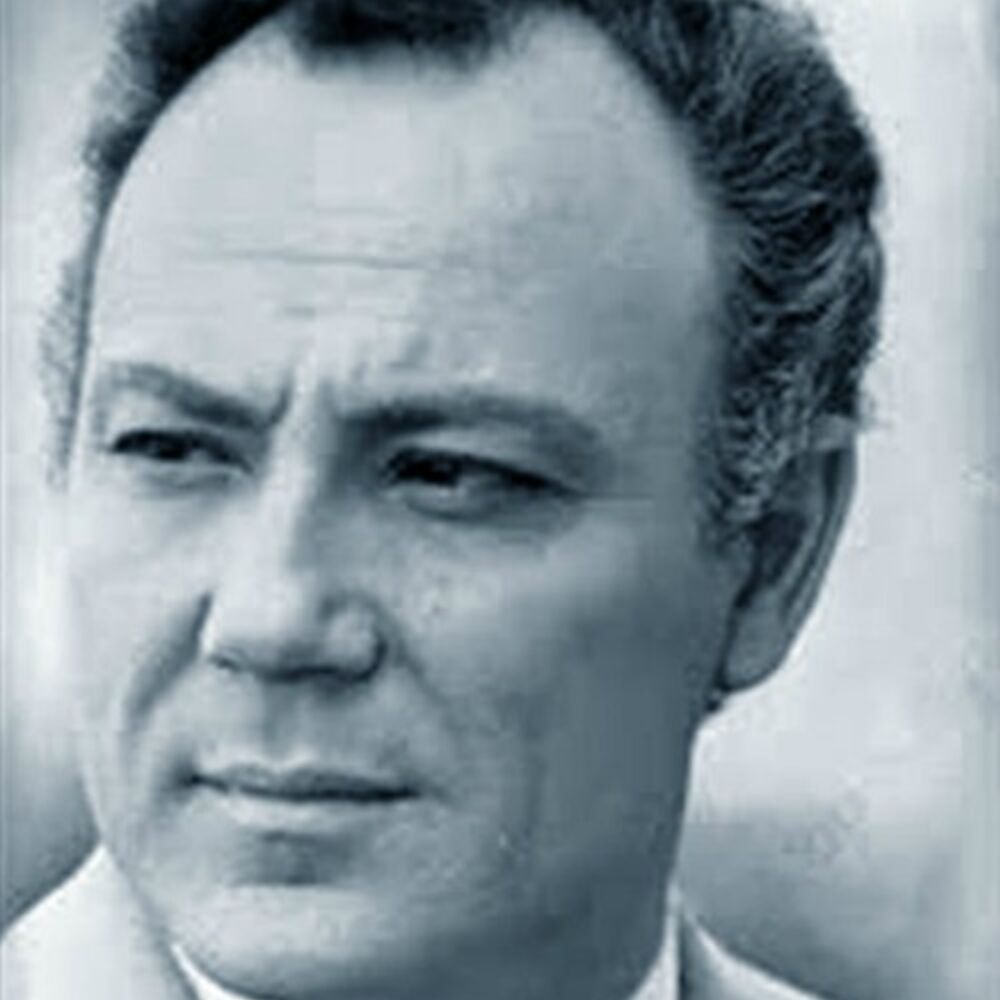
Claudio Villa was an Italian singer and a dominant force in the country's melodic music scene for decades. Hailing from Rome, he achieved extraordinary commercial success, selling millions of records and earning numerous gold certifications throughout his prolific career.
Early career
Born Claudio Pica in Rome in 1926, his musical journey began in the post-war era. He started performing in Roman trattorias and quickly gained local attention for his powerful, emotive tenor voice.
His first major break came in 1947 when he won the vocal competition "Voci Nuove" at the Rome-based recording company Cetra. This victory led to his first recording contract and the release of early 78 rpm singles, setting the stage for his future stardom.
Breakthrough
Claudio Villa's national breakthrough was cemented by his repeated success at the Sanremo Music Festival. His first victory came in 1955 with the song Buongiorno tristezza, performed with Tullio Pane, which catapulted him to household-name status across Italy.
This festival triumph massively boosted his record sales for Cetra and later for the Philips label. Throughout the 1950s and 1960s, his albums and singles consistently charted, with many achieving gold status, solidifying him as one of Italy's best-selling artists.
Key tracks
Buongiorno tristezza — This 1955 Sanremo winner defined his early career and established his signature romantic style.
Roma, nun fa' la stupida stasera — A quintessential Roman song that became an anthem and is forever associated with his voice.
Granada — His powerful interpretation of this international classic showcased his vocal prowess and became a staple of his live performances.
Tango della gelosia — This hit exemplified his ability to master the dramatic, passionate side of the Italian canzone repertoire.
Mamma — Villa's rendition of this timeless song was a fan favorite and demonstrated his deep connection to sentimental material.
Villa's career was uniquely intertwined with the Sanremo Festival, where he competed a record-setting 13 times and won four editions, a feat that remained unmatched for years. His prolific output included dozens of albums for labels like Cetra, Philips, and later, Carosello, covering a vast range from classic napoletana songs to modern pop tunes of the era.
He also collaborated with other giants of Italian music, including duets with fellow festival winner Domenico Modugno. Beyond singing, he appeared in numerous musicarello films during the 1950s and 60s, further expanding his popular appeal and visibility.
Fans of Claudio Villa's rich, emotive approach to Italian song may also appreciate the work of Domenico Modugno. Modugno shared Villa's festival success and brought a similar theatrical intensity to performance. The romantic ballads of Mina defined the same golden era of Italian pop with unmatched vocal charisma. For the quintessential Neapolitan spirit, explore Roberto Muccioli, who carried the tradition of classic song forward. The timeless work of Luigi Tenco offers a more introspective and poetic side of the 1960s Italian music scene.
Claudio Villa's music remains a staple on Italian classic pop radio stations and dedicated online streams that celebrate the golden age of melodic song. His recordings are frequently featured in daytime rotations and special retrospective programs on various independent music radio stations.
The enduring voice of Claudio Villa continues to resonate on the airwaves. Listeners can discover his vast catalog of hits and deep cuts on the curated Italian classic pop and traditional music radio stations available on onairium.com.