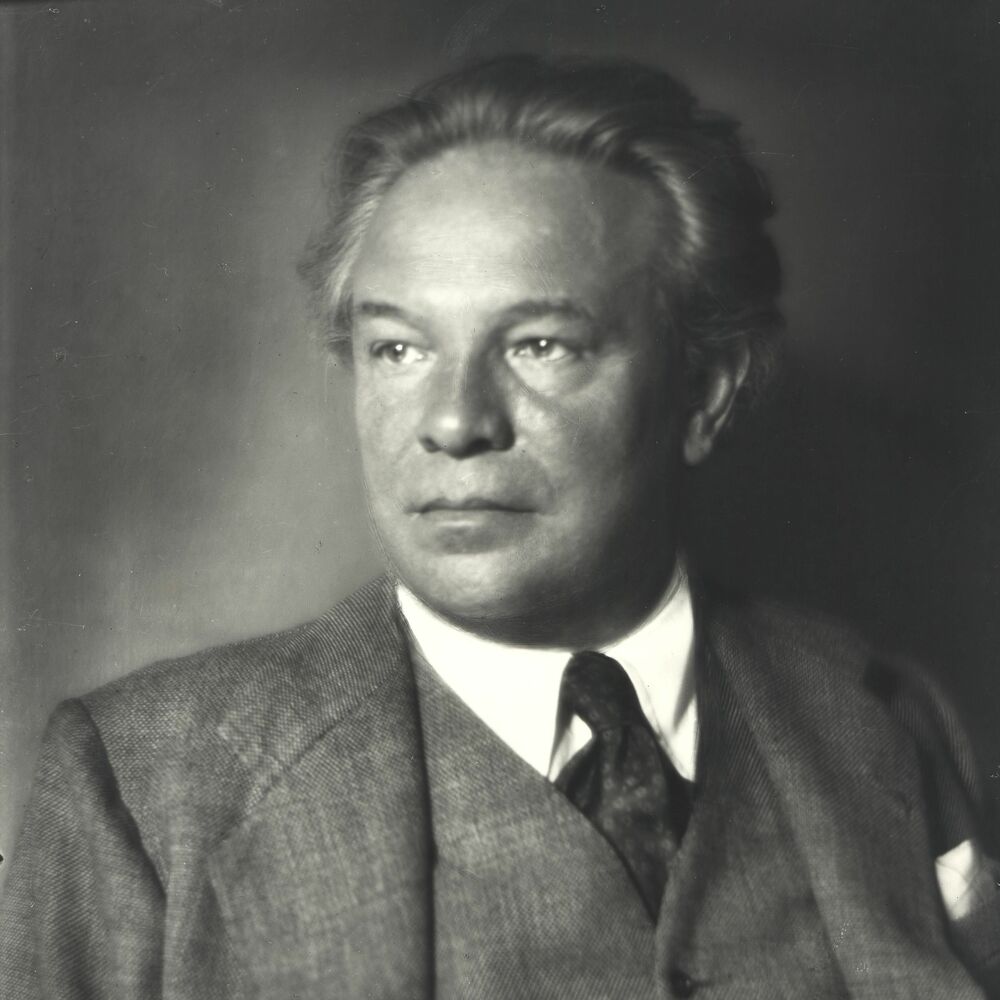

Alfredo d'Ambrosio: The Italian Classical Virtuoso
Alfredo d'Ambrosio was an Italian violinist and composer whose romantic-era compositions became staples of the violin repertoire. Hailing from Naples, his most significant achievement was the enduring popularity of his Canzonetta, a piece that remains a favorite among violinists and students worldwide for its lyrical beauty.
Early career
Born in 1871 in Naples, Italy, Alfredo d'Ambrosio was immersed in a rich musical environment from a young age. He studied under the famed violinist and pedagogue Pablo de Sarasate, which honed his technical prowess and shaped his compositional voice focused on melodic elegance.
His early career was built on performance and pedagogy, but he soon began publishing his own works. These initial compositions, primarily for violin and piano, were released by established European music publishers, setting the stage for his wider recognition.
Breakthrough
While d'Ambrosio composed numerous works, his breakthrough into the international canon came with the publication of his shorter, character pieces. The precise year is unclear, but by the early 20th century, his music was widely circulated by publishers like Ricordi, becoming essential study material and performance encores.
His compositions never aimed for commercial pop charts, but their "certification" came through enduring inclusion in pedagogical syllabi and concert programs. They achieved a classical form of platinum status through constant reinterpretation by generations of musicians.
Key tracks
Canzonetta in A Major, Op. 6 — This is undoubtedly his most famous work, a melodious and technically accessible piece that showcases his gift for singable violin lines.
Romance, Op. 15 — A later work that further explores the romantic, expressive potential of the violin with a more developed harmonic structure.
Serenata, Op. 11 — This piece exemplifies his ability to craft evocative, nocturnal moods, reinforcing his reputation for atmospheric composition.
Mazurka, Op. 8 — Demonstrates d'Ambrosio's skill in incorporating dance forms into the violin repertoire with a distinct Italianate flavor.
His later career continued to be defined by these refined compositions for violin. Alfredo d'Ambrosio's output, though not vast, secured his place in the post-Romantic tradition, influencing the pedagogical landscape until his death in 1914.
For fans of the lush, romantic violin repertoire of d'Ambrosio, several other composers offer a similar appeal. Pablo de Sarasate was his teacher and a direct influence on his virtuosic style. Fritz Kreisler shared his talent for composing charming, short-form pieces for the violin. Henryk Wieniawski operated in the same romantic vein with technically demanding and emotionally expressive works. Eugène Ysaÿe, while more modern, continued the legacy of the violinist-composer that d'Ambrosio embodied.
The music of Alfredo d'Ambrosio maintains a steady presence on dedicated classical music radio stations. It is frequently featured on programs highlighting romantic-era composers, violin showcases, and educational segments about essential repertoire for the instrument, reaching audiences through both FM broadcasts and specialized online classical streams.
Listeners can explore the elegant romanticism of Alfredo d'Ambrosio's violin works through the classical stations featured on onairium.com. Tune in to discover why his compositions, particularly the timeless Canzonetta, continue to resonate on airwaves dedicated to enduring classical music.