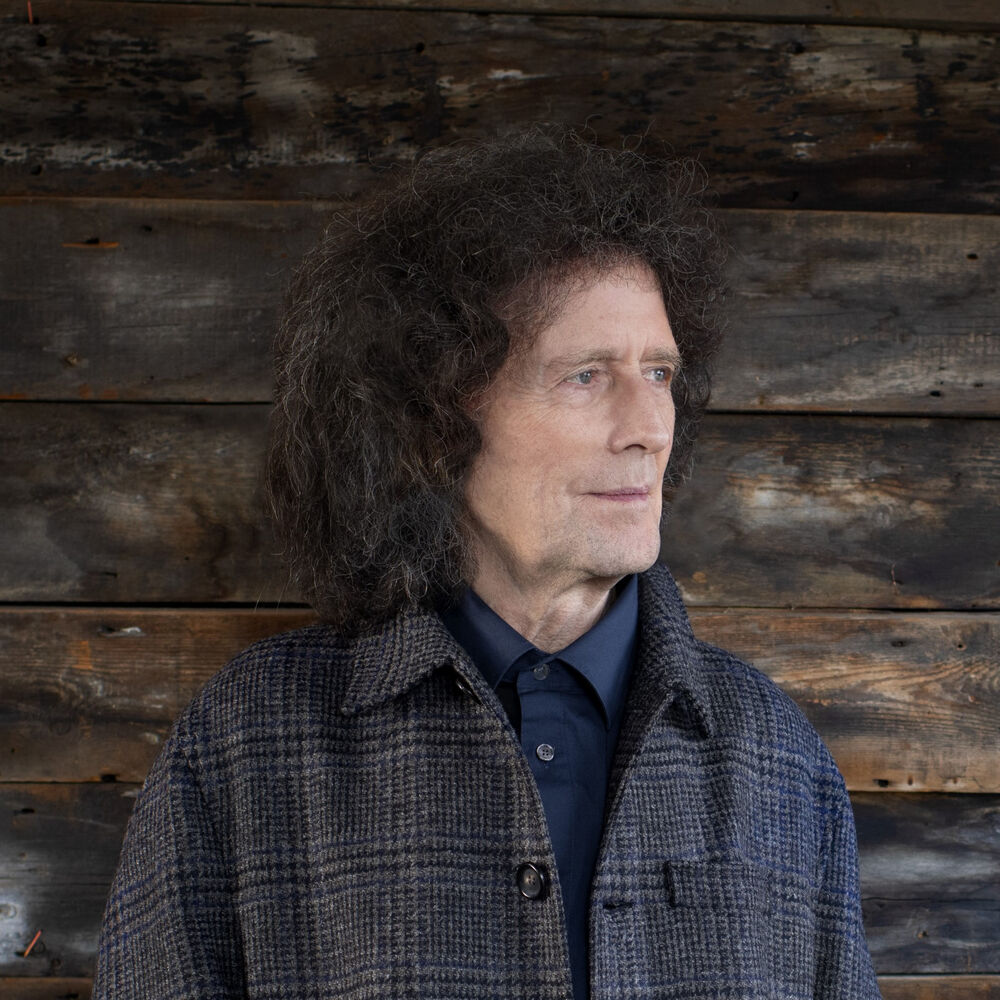
Alun Hoddinott: The Modernist Voice of Welsh Classical Music
Alun Hoddinott was a prolific Welsh composer whose expansive body of work defined a major part of 20th-century classical music in Wales. From his homeland, he achieved international recognition, with his compositions performed by leading orchestras and his operas staged at premier venues.
Early career
Born in Bargoed, Glamorgan, in 1929, Alun Hoddinott showed musical talent early, studying at University College, Cardiff. His professional breakthrough came in 1954 when his Clarinet Concerto won the Royal Philharmonic Society Prize, immediately establishing him as a formidable new voice in British music.
Breakthrough
The 1960s marked Hoddinott's ascent as a leading composer, largely through his association with the BBC and major recording labels like Argo. His opera The Beach of Falesá, premiered by Welsh National Opera in 1974, was a landmark event, cementing his reputation for dramatic, powerful orchestral writing within the modernist genre.
Key tracks
Clarinet Concerto Op. 3 — This early award-winning piece announced Hoddinott's arrival on the national stage with its confident, lyrical modernism.
Welsh Dances — These popular orchestral pieces became some of his most accessible and frequently performed works, blending folk-inspired themes with contemporary harmonies.
The Sun, the Great Luminary of the Universe — Commissioned for the 1970 Swansea Festival, this ambitious orchestral work showcases his mature, complex style and command of large musical forms.
Investiture Dances — Composed for the 1969 Investiture of Prince Charles, this work is a significant part of Welsh national ceremonial music.
Star Children — This symphonic poem exemplifies his later, more accessible style and his fascination with astronomical themes.
Throughout a long career, Alun Hoddinott was incredibly prolific, composing ten symphonies, numerous concertos, and several operas. He founded the Cardiff Festival of Music in 1967 and served as Head of Music at University College, Cardiff, mentoring generations of Welsh composers until his retirement in 1987.
His legacy is preserved through extensive recordings on labels like Lyrita and Nimbus, and his manuscripts are held at the National Library of Wales. For listeners exploring the landscape of Welsh classical music, similar artists include William Mathias, another key Welsh composer known for his vibrant orchestral and choral works. Discover the lyrical intensity of Grace Williams, a pioneering figure in Welsh music. The choral and orchestral tradition is also carried forward by Karl Jenkins, whose accessible modern compositions have achieved global popularity.
The music of Alun Hoddinott maintains a steady presence on dedicated classical radio stations, particularly those focusing on 20th-century repertoire and national composers. Listeners can find his symphonies and concertos featured on specialist FM broadcasts and online classical music radio streams that champion modernist works.
You can explore the rich, modernist sound of Alun Hoddinott through the classical radio stations featured on our platform. Tune in via onairium.com to hear his major orchestral works and discover the depth of his contribution to Welsh classical music.