Ana Curra: The Punk and New Wave Icon of Spain
Ana Curra is a Spanish keyboardist, singer, and composer who became a central figure in the Madrid punk and new wave movement. Hailing from Madrid, her main achievement lies in her foundational work with the seminal band Alaska y los Pegamoides and her influential solo project, Ana Curra y los Seres Vacíos.
Early career
Born Ana Isabel Curra de la Piedad in 1957, she emerged from the vibrant cultural ferment of post-Franco Spain. Her musical journey began in the late 1970s as a founding member of the band Kaka de Luxe, a direct precursor to the iconic Spanish punk scene known as La Movida Madrileña.
This involvement quickly led to the formation of Alaska y los Pegamoides in 1979, where her distinctive synthesizer and piano work became a defining element of their sound. Their early releases on the independent label Tres Cipreses captured the raw, DIY energy of the era.
Breakthrough
Ana Curra's breakthrough came with Alaska y los Pegamoides' 1982 album Grandes Éxitos, which included the hit Bailando. While not achieving conventional chart-topping success, the album and its singles became anthems of La Movida, achieving cult status and enduring popularity that certified their influence far beyond sales figures.
Her artistic evolution continued with the transformation of the band into Alaska y Dinarama, where she co-wrote major hits and helped shape their shift towards a more polished, synth-pop direction throughout the 1980s.
Key tracks
Bailando — This Pegamoides track remains her most recognizable work, a quintessential new wave pop song that defined a generation.
Mi novio es un zombi — Co-written by Curra for Alaska y Dinarama, this song showcased her knack for catchy, darkly humorous synth-pop.
Ni tú ni nadie — Another Alaska y Dinarama hit she co-wrote, demonstrating her lasting impact on Spanish 80s pop radio.
Miedo — The title track from her 1990 solo debut with Los Seres Vacíos, marking a bold, introspective turn towards darker rock and electronic sounds.
Solo exploration and legacy
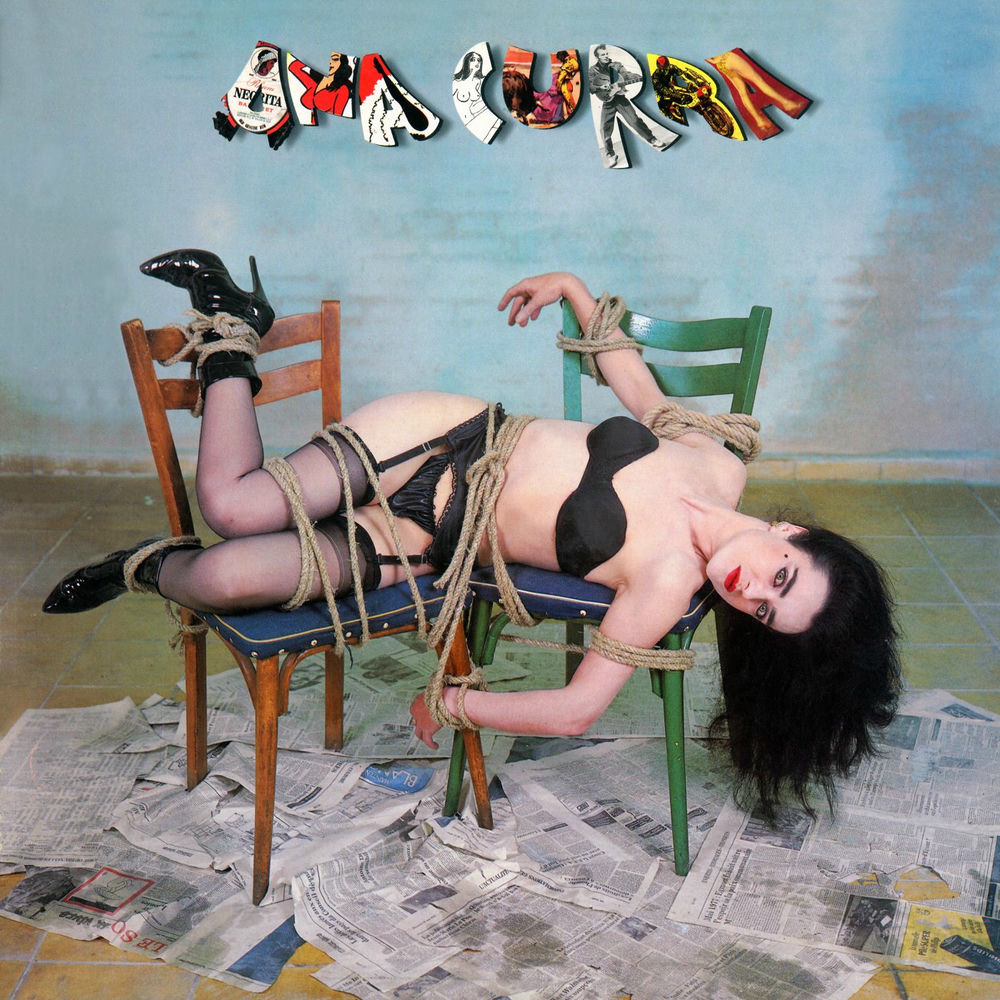
In 1990, Ana Curra launched her solo career with the album Miedo under the name Ana Curra y los Seres Vacíos on the label Twins. This project revealed a more personal, gothic, and experimental side, moving away from pure pop. Although she stepped back from the constant spotlight after this period, her influence persisted.
Her pioneering role as a female keyboardist and composer in a male-dominated rock scene paved the way for countless artists. Ana Curra's work is frequently revisited in compilations and documentaries about La Movida, solidifying her legacy as a key architect of Spanish alternative music.
Fans of Ana Curra's blend of punk attitude and synth-driven melodies also enjoy the music of Alaska, her long-time collaborator and the voice of their shared projects. The electronic punk spirit is echoed in Radio Futura, another pillar of the same artistic movement. For the darker, post-punk dimensions of her solo work, explore Paralisis Permanente. The artistic daring of the era is also embodied by Nacha Pop, who shared similar new wave roots.
The music of Ana Curra maintains a steady rotation on dedicated classic alternative and new wave radio stations, particularly those focusing on 80s international rock. Online radio streams specializing in Spanish rock history and independent music radio stations frequently feature her tracks, both with bands and from her solo catalog.
Listeners can explore the influential career of Ana Curra by tuning into the Spanish new wave and punk rock stations featured on onairium.com, where her anthems continue to resonate with new generations of alternative music fans.