




Antonio Vivaldi: The Baroque Virtuoso of Venice
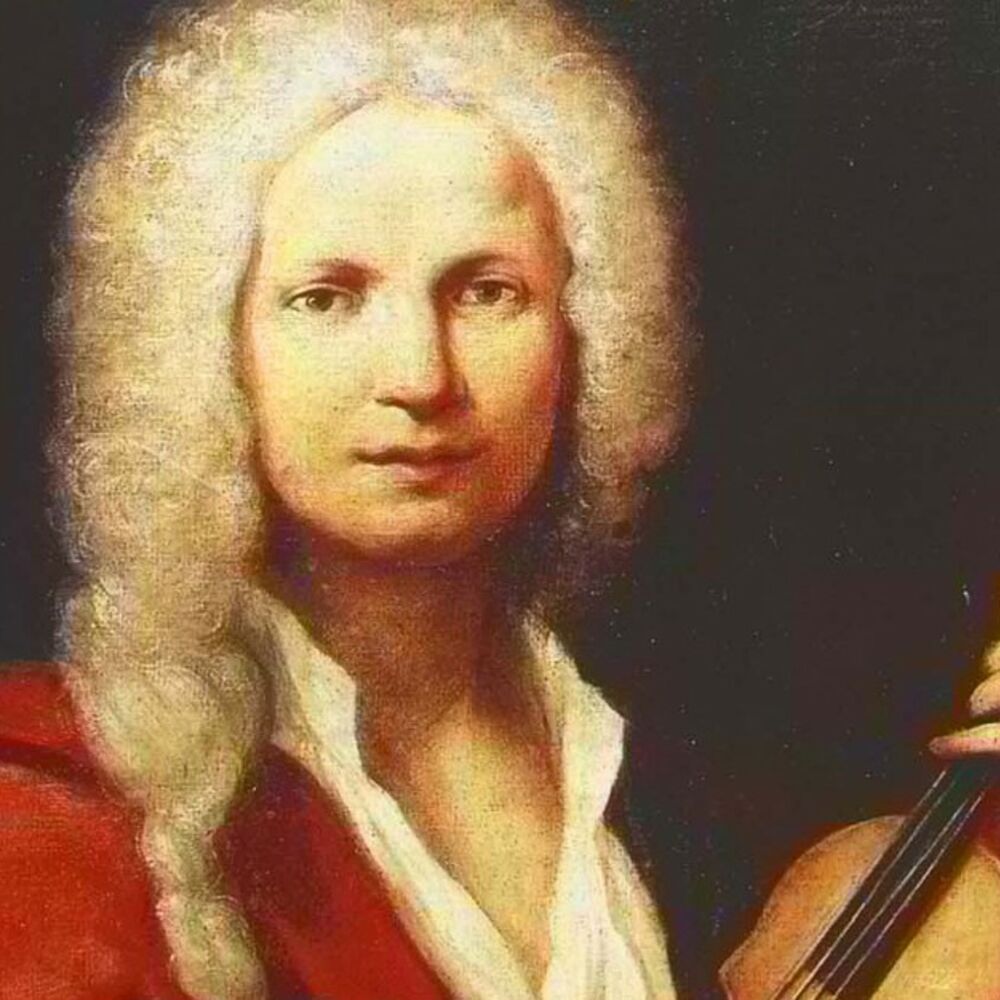
Antonio Vivaldi was an Italian Baroque composer, violinist, and priest whose prolific output defined an era of music. His concertos, particularly The Four Seasons, are among the most recognized and frequently performed classical works in the world, achieving a level of commercial saturation akin to modern multi-platinum certifications.
Early career
Born in Venice in 1678, Vivaldi was ordained as a priest in 1703, though he soon ceased saying Mass due to health issues. He began his formal musical career that same year as a violin master at the Ospedale della Pietà, a Venetian convent, orphanage, and music school for girls, where he composed a vast amount of sacred and instrumental music for their renowned orchestra.
Breakthrough
Vivaldi's international breakthrough came with the publication of his Opus 3, L'estro armonico (Harmonic Inspiration), in 1711. This collection of twelve concertos was published in Amsterdam by the prestigious firm of Estienne Roger and rapidly circulated across Europe, establishing his reputation as a leading composer of the instrumental concerto form and influencing countless contemporaries.
Key tracks
The Four Seasons (Le quattro stagioni) — This set of four violin concertos from his Opus 8 is his definitive masterpiece, pioneering programmatic music that depicts scenes from nature.
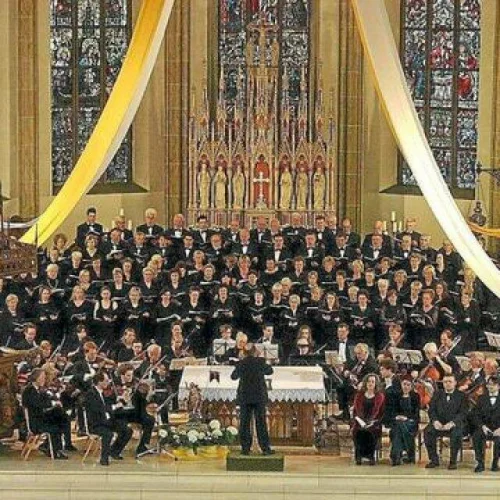
Gloria in D Major, RV 589 — This sacred choral work remains a cornerstone of the Baroque vocal repertoire, regularly performed globally.
Concerto for Two Trumpets in C Major, RV 537 — A brilliant and festive piece showcasing Vivaldi's ability to write thrilling, virtuosic music for wind instruments.
L'estro armonico, Op. 3, No. 6 in A minor — A key concerto from his breakthrough publication that exemplifies his dramatic rhythms and clear, energetic structures.
Following his initial success, Vivaldi also enjoyed a fruitful period as an opera impresario and composer in Venice and beyond, though this venture was less consistently profitable. His later career saw him relocate to Vienna, likely to seek patronage from Emperor Charles VI, but the Emperor's sudden death in 1740 left Vivaldi destitute. Antonio Vivaldi died in poverty in Vienna in 1741, his music falling into obscurity until a major revival in the 20th century.
For fans of the intricate and expressive Italian Baroque style, explore similar composers featured on our site. Arcangelo Corelli was a foundational influence on Vivaldi's concerto form. Tomaso Albinoni was a Venetian contemporary known for his elegant and poignant concertos. Giuseppe Tartini followed in the violin virtuoso tradition with technically demanding compositions.
The music of Antonio Vivaldi maintains heavy rotation on dedicated classical music channels and Baroque specialty programs across our network. His works are staples on stations programming timeless masterpieces, from large-scale symphony broadcasts to curated digital streams focusing on the 17th and 18th centuries.
Listeners can discover the dynamic range of Antonio Vivaldi's catalog, from vibrant concertos to solemn sacred works, on the classical radio stations available on onairium.com, where his music is a permanent fixture in the Baroque genre.