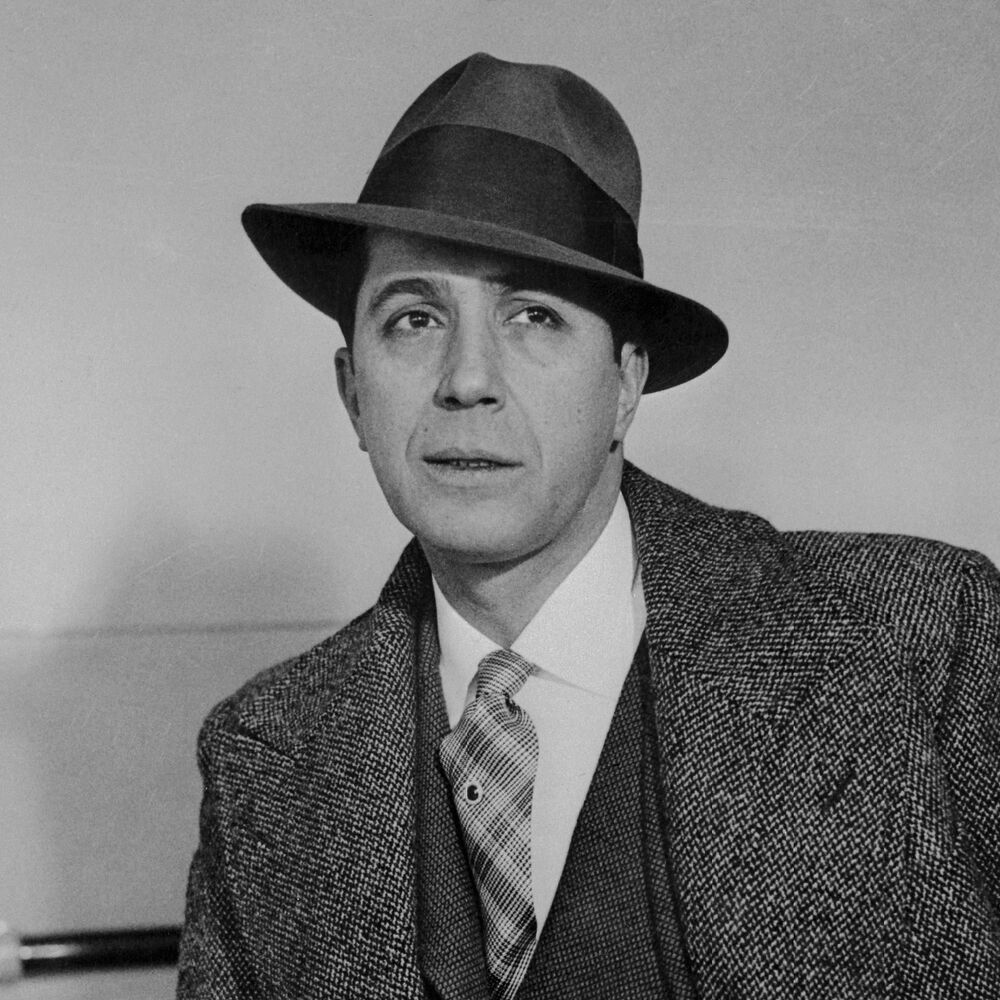
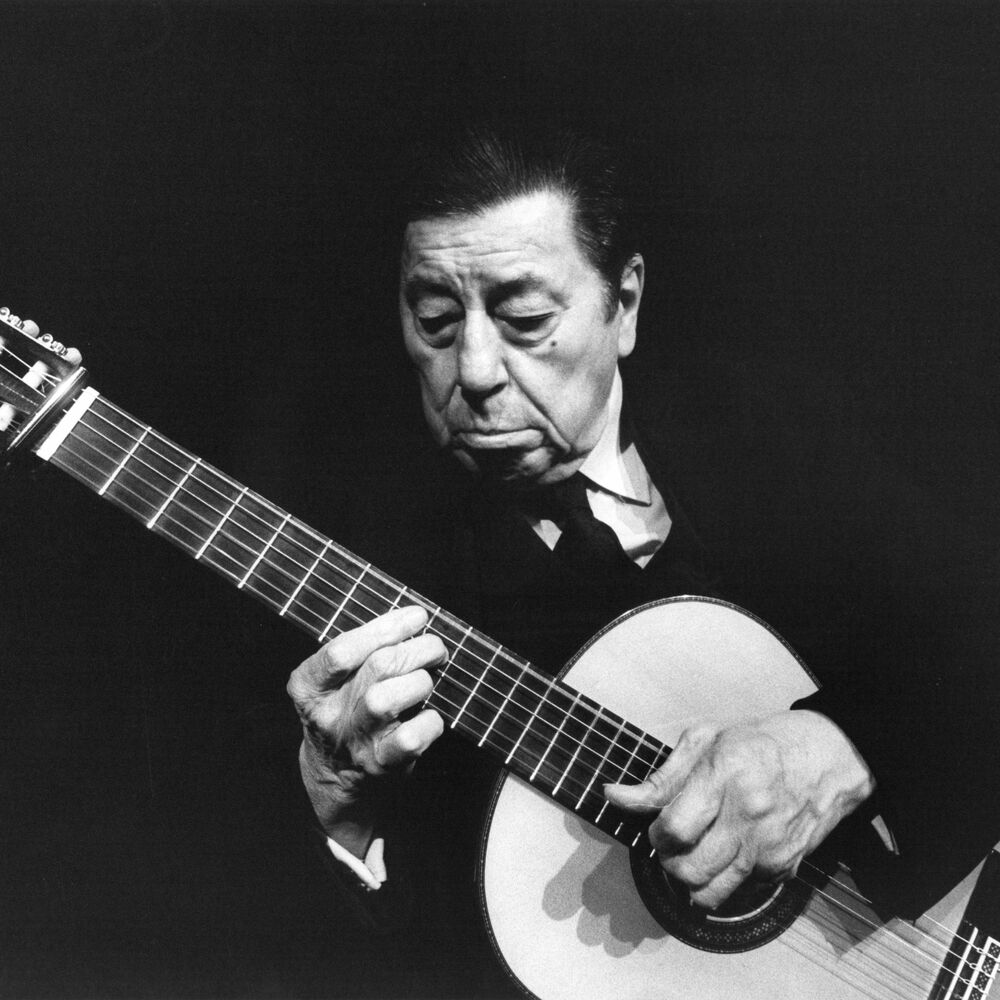
Atahualpa Yupanqui
 Argentina
Listen Atahualpa Yupanqui on radio stations:

Atahualpa Yupanqui: The Pillar of Argentine Folk Music
Atahualpa Yupanqui was a seminal Argentine singer-songwriter, guitarist, and poet who became the foundational voice of Argentine folk music. His profound body of work, spanning over five decades, defined the folklore genre and influenced generations of musicians across Latin America and beyond.
Early career
Born Héctor Roberto Chavero in 1908 in Pergamino, Argentina, he adopted the Quechua name Atahualpa Yupanqui in his youth. He began his artistic journey in the 1920s, traveling extensively through the Argentine interior, absorbing the musical traditions of the gauchos and indigenous communities. His first major recording, "El Arriero," was released in 1943, but his politically charged lyrics often led to censorship during the Perón regime.
Breakthrough
International recognition arrived in the 1950s after a pivotal performance in Paris in 1950, championed by the French singer Edith Piaf. This led to a prolific recording contract with the French label Le Chant du Monde, which released landmark albums like Minero Soy and cemented his status as a global ambassador for South American folk. While specific chart data from this era is scarce, his albums achieved significant critical and commercial success across Europe.
Key tracks
El Arriero — This early composition became a folk standard, emblematic of his poetic depiction of rural Argentine life and struggle.
Los Hermanos — A powerful and somber zamba that reflects his deep social consciousness and mastery of narrative songwriting.
Viene Clareando — Often considered one of his signature pieces, this song beautifully captures the atmosphere of dawn in the countryside.
Piedra y Camino — The title track from a key 1957 album, showcasing his philosophical depth and intricate guitar work.
Luna Tucumana — A classic zamba that remains one of the most covered songs in the Argentine folk repertoire.
Yupanqui continued to tour and record tirelessly until his death in 1992, leaving behind a catalog of over 1,200 compositions. His influence is heard in the work of countless artists, and his albums, such as El Payador Perseguido and Testimonio, are considered essential recordings of the 20th century. He received numerous honors, including a posthumous Grammy Lifetime Achievement Award in 2013.
Fans of Atahualpa Yupanqui's deeply rooted Argentine sound should explore Mercedes Sosa, who brought his songs to a massive audience with her powerful voice. The intricate guitar styles of Eduardo Falú also share a similar dedication to folk tradition. For the poetic narrative approach, listen to Jorge Cafrune, another key figure in the Argentine folk movement. The contemporary interpretations of Soledad Pastorutti also carry forward the legacy of the folk genre he defined.
The music of Atahualpa Yupanqui holds a permanent place on the playlists of folk and world music radio stations, from dedicated Latin American heritage FM broadcasts to curated online streams focusing on acoustic and traditional sounds. His timeless recordings are a staple for programmers seeking authentic cultural expression.
Listeners can discover the enduring legacy of Atahualpa Yupanqui by tuning into the folk and world music radio stations featured right here on onairium.com, where his profound songs continue to resonate with new audiences every day.