
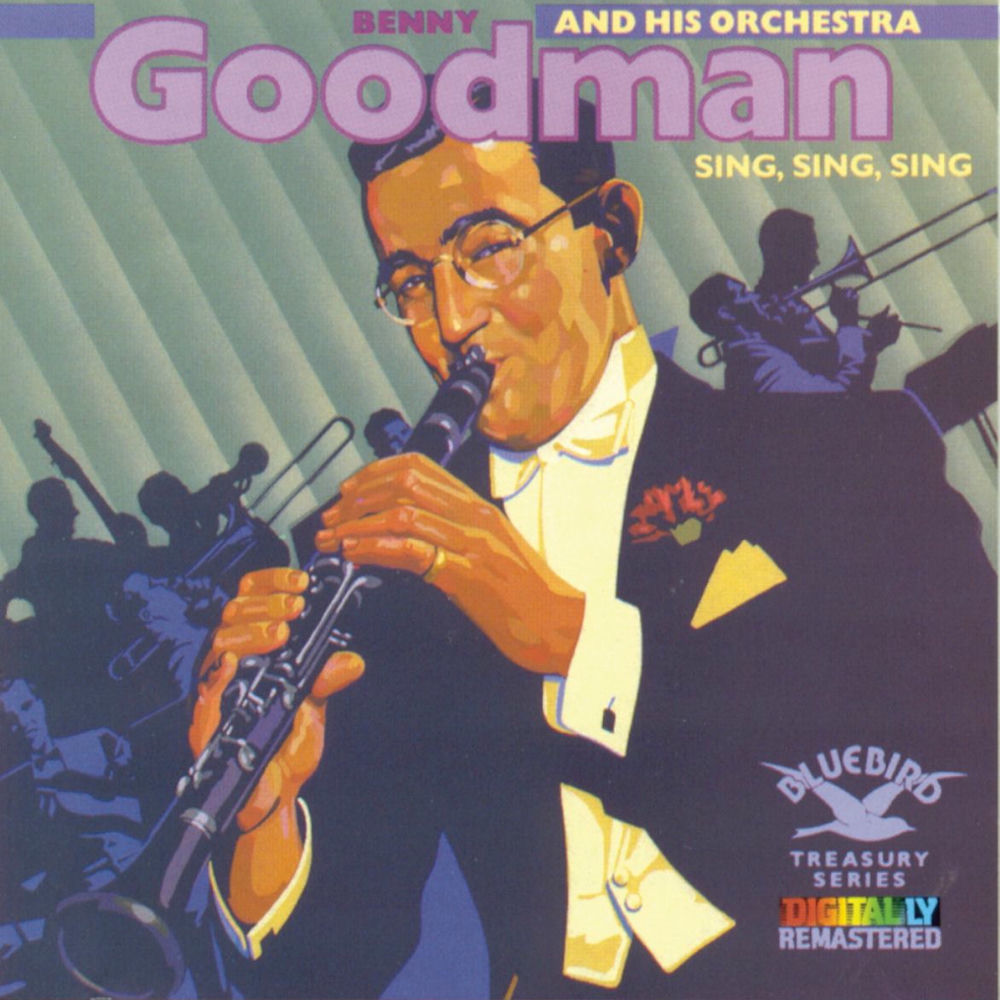
Benny Goodman and Orchestra
Benny Goodman and Orchestra: The King of Swing
Benny Goodman was an American clarinetist and bandleader who became a national sensation and a defining force in popular music. His orchestra's success in the late 1930s ignited the Swing Era, selling millions of records and packing major venues across the United States.
Early career
Born in Chicago in 1909, Benjamin David Goodman began playing clarinet as a child. He was a skilled session musician by his teens, playing on numerous recordings before forming his first big band in 1934.
This group landed a regular spot on the NBC radio program "Let's Dance," which provided crucial national exposure. Their early recordings for Columbia Records laid the groundwork for their explosive popularity.
Breakthrough
The Benny Goodman Orchestra's breakthrough is pinpointed to their 1935 cross-country tour, which culminated in a legendary performance at the Palomar Ballroom in Los Angeles on August 21, 1935. The young crowd's ecstatic reaction to the band's swinging arrangements, broadcast live on radio, is often cited as the official start of the Swing Era.
This success was cemented by the 1937 release of the single "Sing, Sing, Sing (With a Swing)," which became their signature anthem. The band's 1938 concert at Carnegie Hall, the first jazz performance in the prestigious venue, was a historic cultural milestone and a major commercial success when released as a live album.
Key tracks
Sing, Sing, Sing (With a Swing) — This extended, drum-driven masterpiece defined the swing sound and was the highlight of the 1938 Carnegie Hall concert.
One O'Clock Jump — Adopted as Goodman's theme song, this Count Basie arrangement became a jazz standard and a radio broadcast staple.
King Porter Stomp — The Fletcher Henderson arrangement that ignited the Palomar Ballroom crowd, directly triggering the band's national fame.
Moonglow — A prime example of Goodman's small group work with the Benny Goodman Quartet, showcasing his elegant clarinet style.
Don't Be That Way — Another Henderson chart, this up-tempo number was a major hit and a concert favorite for its driving rhythm.
Goodman was also a pioneer in integrating jazz groups, performing and recording with pianist Teddy Wilson and vibraphonist Lionel Hampton in his small combos. His orchestra served as a launching pad for legendary talents, including vocalists Helen Forrest and Peggy Lee, and arranger Fletcher Henderson, whose charts were essential to the band's sound.
Throughout the 1940s and beyond, Goodman maintained a prolific recording schedule for labels like Columbia and Capitol. While big band popularity waned after World War II, he remained a revered figure, leading various groups and undertaking international tours sponsored by the U.S. State Department.
Artists who shared the big band spotlight or were influenced by Goodman's swing style include Count Basie whose orchestra rivaled Goodman's with a more relaxed, blues-influenced swing. Glenn Miller achieved even greater commercial success in the swing genre with his instantly recognizable saxophone sound. Artie Shaw was another clarinetist-bandleader and Goodman's direct contemporary, known for his more complex musical explorations. Duke Ellington transcended the swing label altogether but was a fellow orchestra leader who defined an entire era of American music.
The music of Benny Goodman and Orchestra remains a core component of classic jazz and swing radio stations. His recordings are essential playlist fixtures on stations dedicated to the Great American Songbook and the big band era, ensuring new generations discover his catalog.
Listeners can explore the timeless swing of Benny Goodman on dedicated radio stations featured on onairium.com, where his influential hits and historic live performances continue to air regularly.
