




Benny Goodman: The King of Swing and Big Band Jazz
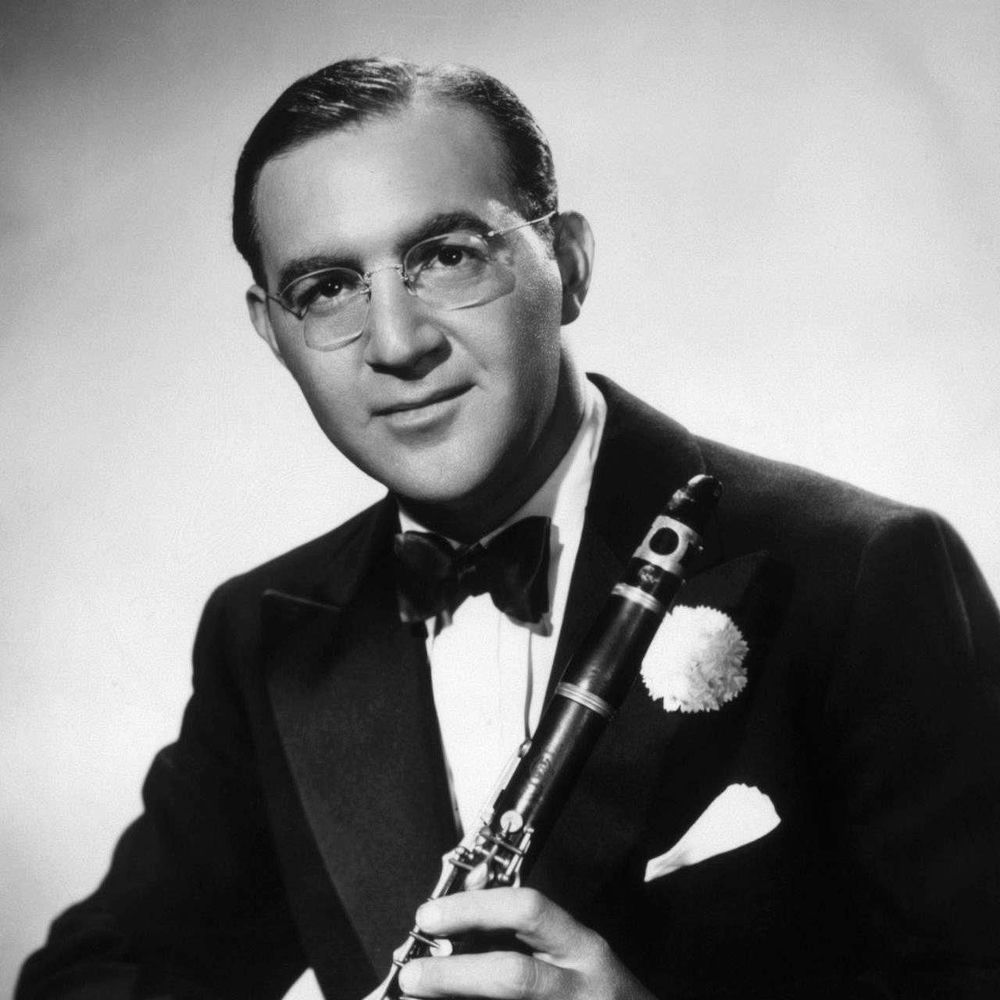
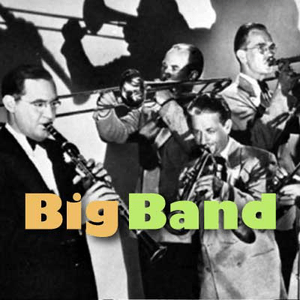
Benny Goodman was an American clarinetist, bandleader, and composer who rose to fame in the 1930s. He is best known for popularizing the swing genre and leading one of the most successful big bands in history, earning him the enduring title "King of Swing."
Early career
Born in Chicago in 1909, Benjamin David Goodman began studying clarinet at a young age. He started his professional career as a sideman in the 1920s, playing with bands like Ben Pollack's before moving to New York City to work as a session musician.
Breakthrough
Goodman's national breakthrough came in 1935, fueled by his band's residency on the NBC radio program "Let's Dance" and a subsequent cross-country tour. The tour culminated in a legendary performance at the Palomar Ballroom in Los Angeles, which ignited the Swing Era and made Benny Goodman a household name.
Key tracks
Sing, Sing, Sing (With a Swing) - This 1937 recording, featuring Gene Krupa's iconic drumming, became the band's signature anthem and a definitive swing standard.
Let's Dance - The theme song for his radio show, this track served as the national introduction to the Goodman sound and helped build his audience.
Moonglow - A 1936 recording that showcased Goodman's melodic, smooth clarinet style and the band's versatility beyond pure dance numbers.
One O'Clock Jump - Though associated with Count Basie, Goodman's performances of this jazz standard highlighted his band's powerful, driving rhythm section.
Why Don't You Do Right? - This 1942 hit featured vocalist Peggy Lee and marked a successful commercial direction for the band during the war years.
In 1938, Goodman made history by performing a jazz concert at Carnegie Hall, a venue previously reserved for classical music. He was also a pioneer in leading racially integrated groups, performing and recording with musicians like pianist Teddy Wilson and vibraphonist Lionel Hampton.
Later in his career, Goodman explored classical repertoire, commissioning and performing works by composers such as Béla Bartók and Leonard Bernstein. He continued to perform and record with various small groups and big bands until his death in 1986.
Fans of Benny Goodman's big band swing may also enjoy the music of Count Basie, who led another foundational and highly influential swing orchestra. The sophisticated arrangements of Duke Ellington offer a parallel journey in big band innovation. For the clarinet artistry that defined the era, listen to Artie Shaw, Goodman's great contemporary rival. The vocal harmonies of The Andrews Sisters often accompanied the swing band sound of the period.