
Bill Connors: The Pioneering Guitarist of Jazz Fusion
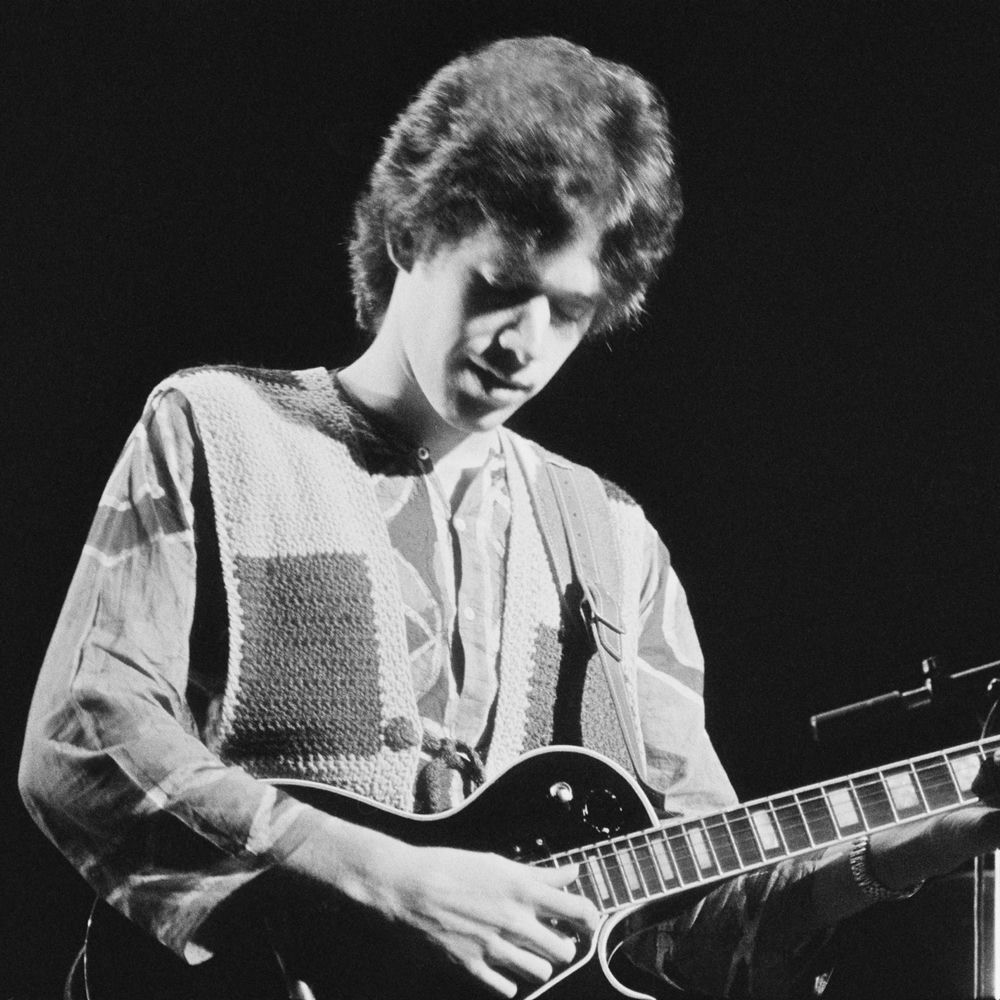
Bill Connors is an American guitarist best known for his groundbreaking work in the jazz fusion genre. His influential playing, particularly on the electric guitar with Return to Forever and on a series of acclaimed solo acoustic albums, has secured his legacy as a versatile and innovative musician.
Early career
Born in 1949 in Los Angeles, Bill Connors began his professional journey in the early 1970s. He first gained attention with pianist Mike Nock's band The Fourth Way before joining keyboardist Chick Corea's newly formed electric ensemble, Return to Forever, in 1973.
Breakthrough
Connors' breakthrough arrived in 1973 with Return to Forever's second album, Hymn of the Seventh Galaxy, released on Polydor Records. His aggressive, distortion-laden guitar work defined the band's new direction into powerful jazz-rock, contrasting sharply with the Latin-tinged sound of their first album.
Key tracks
Hymn of the Seventh Galaxy — This title track from the 1973 album showcased Connors' fiery, rock-infused lead style that became a hallmark of Return to Forever's fusion era.
Captain Señor Mouse — Another standout from Hymn of the Seventh Galaxy, this complex Chick Corea composition features some of Connors' most inventive and technically demanding guitar improvisations.
Theme to the Guardian — The opening track from his 1974 solo debut Theme to the Guardian on ECM Records announced his shift to a more introspective, acoustic guitar style.
Stone — From his 1985 album Double Up, this track exemplifies Connors' return to electric fusion with a sophisticated, melodic approach and complex harmonic sensibility.
Evolution and Solo Work
In a surprising move, Bill Connors left Return to Forever after just one album to pursue a purely acoustic direction. He signed with the influential ECM label, releasing his solo debut Theme to the Guardian in 1974. This album and its follow-ups, such as 1977's Of Mist and Melting, established him as a master of the nylon-string guitar in a jazz context.
Connors returned to electric guitar in the mid-1980s with a trilogy of fusion albums on the Pathfinder label: 1985's Step It, 1986's Double Up, and 1988's Assembler. These works featured collaborations with musicians like drummer Tom Brechtlein and bassist Gary Willis, blending advanced harmony with a sleek, modern sound. His later recording, 1991's Return, was released on the Dutch label Musea.
For fans of Bill Connors' intricate electric fusion, similar artists include Allan Holdsworth, who also pushed the boundaries of guitar technique and harmony. John Abercrombie shares Connors' exploratory spirit across both electric and acoustic formats, particularly in his ECM recordings. Listeners appreciating his acoustic work should explore Ralph Towner, another guitarist known for his sophisticated compositions for classical guitar on the ECM label.
The music of Bill Connors maintains a steady presence on dedicated jazz fusion and classic rock FM stations, as well as on specialized online radio streams focusing on progressive and instrumental guitar music. His work with Return to Forever is a staple on classic rock radio, while his solo catalog is featured on independent music radio stations championing avant-garde and contemporary jazz.
You can hear the pioneering jazz fusion of Bill Connors on radio stations featured right here. Discover his influential guitar work, from the powerful anthems with Return to Forever to his nuanced solo albums, through the curated radio stations available on onairium.com.