



Charlie Parker: The Architect of Bebop
Charlie Parker, known universally as "Bird," was an American jazz saxophonist and composer who fundamentally reshaped the course of modern music. His revolutionary approach to harmony, rhythm, and melody in the 1940s gave birth to the bebop genre, establishing him as one of the most influential instrumentalists in jazz history.
Early Career
Born in 1920 in Kansas City, Kansas, Charlie Parker began playing the baritone saxophone before switching to alto. Immersed in Kansas City's vibrant jazz scene as a teenager, he developed his craft through relentless practice and late-night jam sessions, learning from local musicians and the recordings of Lester Young.
After moving to New York in 1939, he worked with the bandleader Jay McShann, making his first commercial recordings with the group in 1941. These early sides, like Hootie Blues, already hinted at the melodic and harmonic innovations that would soon explode onto the scene.
Breakthrough
Charlie Parker's true breakthrough occurred in the mid-1940s through his legendary collaborations with trumpeter Dizzy Gillespie, pianist Thelonious Monk, and drummer Kenny Clarke. Their late-night sessions at Harlem clubs like Minton's Playhouse forged the complex, fast-paced language of bebop. Parker's seminal 1945 recordings for the Savoy label, including the famed "Ko-Ko" session, are considered the definitive birth documents of the genre.
His series of Dial and Verve recordings in the latter half of the decade further cemented his status, showcasing his mastery in both small group settings and with lush orchestral arrangements on albums like Charlie Parker with Strings.
Key Tracks
Ko-Ko - This 1945 Savoy recording, based on the chord changes of "Cherokee," is a blistering manifesto of the bebop revolution.
Now's the Time - A Parker original that became a jazz standard, famous for its bluesy, memorable head and its later influence on the rhythm and blues hit "The Hucklebuck."
Yardbird Suite - Another enduring Parker composition that highlights his ability to craft intricate yet singable melodies over challenging harmonic structures.
Ornithology - A quintessential bebop tune, famously based on the chords of the standard "How High the Moon," demonstrating Parker's ingenious method of contrafact composition.
Parker's Mood - A profound and soulful blues masterpiece from 1948, revealing the deep emotional core at the heart of his technical virtuosity.
Despite his towering musical achievements, Parker's career was plagued by personal struggles with heroin addiction and its related health and legal consequences. His prolific output continued into the early 1950s with notable performances at Massey Hall in Toronto and for producer Norman Granz, but his life was tragically cut short in 1955 at the age of 34.
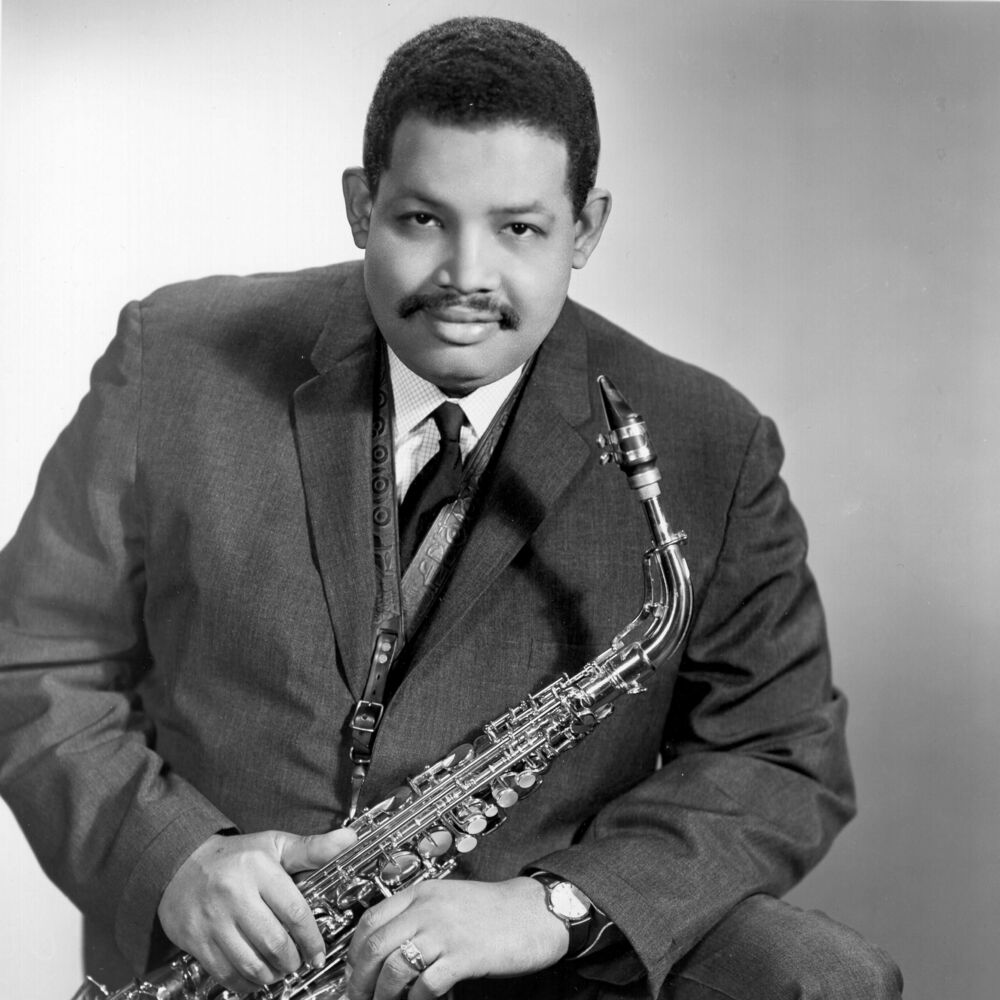
For listeners exploring the foundations of modern jazz, the music of Charlie Parker shares essential DNA with that of his collaborator Dizzy Gillespie. His virtuosic saxophone style directly influenced successors like Cannonball Adderley, who carried the bebop torch into the hard bop era. The complexity and introspection of his work also paved the way for later saxophone innovators such as John Coltrane.
The enduring legacy of Charlie Parker ensures his recordings remain a cornerstone of programming for jazz radio stations and online streams dedicated to classic and modern jazz. His compositions are essential study for musicians and his solos continue to inspire new generations of artists across all genres.