

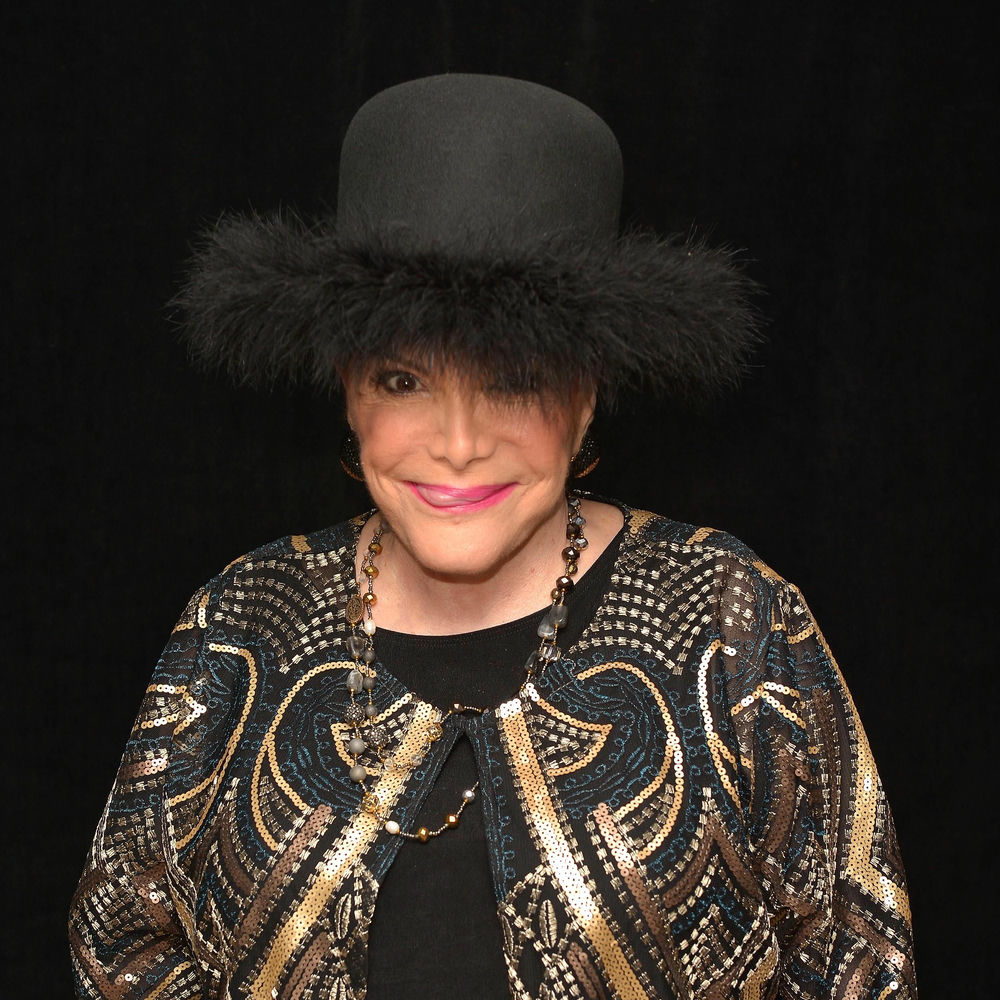
Connie Francis
Listen Connie Francis on radio stations:









Connie Francis: The Enduring Voice of Pop and Country
Connie Francis is an American singer and actress who rose to fame in the late 1950s and became one of the most successful female vocalists of the pre-Beatles era. Hailing from Newark, New Jersey, her major achievement includes selling over 100 million records worldwide, fueled by a string of international hit singles.
Early career
Born Concetta Rosa Maria Franconero in 1938, she began performing on television talent shows as a child. Her early recording career in the mid-1950s under the name Connie Francis saw limited success until a pivotal change in musical direction.
Breakthrough
Connie Francis's breakthrough came in 1958 with the single Who's Sorry Now?, a revived 1923 standard released on MGM Records. The song became a massive hit, reaching number four on the Billboard Hot 100 and number one in the United Kingdom, establishing her as a major star and defining her signature style of reviving older pop standards with a contemporary rock and roll sensibility.
Key tracks
Who's Sorry Now? - This 1958 smash was her career-defining hit, transforming her from a struggling artist into an international star.
Lipstick on Your Collar - A quintessential 1959 pop-rock hit that showcased her energetic style and further cemented her chart dominance.
My Happiness - This 1959 ballad demonstrated her vocal versatility and became another top-ten success.
Everybody's Somebody's Fool - This 1960 release became her first number-one single on the Billboard Hot 100.
Where the Boys Are - The title song from her 1960 film, this track is synonymous with the era and expanded her reach into acting.
Throughout the early 1960s, Connie Francis maintained her status as a hitmaker, adeptly navigating pop, rock and roll, and country music. She recorded songs in multiple languages, including German, Italian, and Spanish, building a vast international audience. Her career in film, beginning with Where the Boys Are, and numerous television appearances solidified her presence in American entertainment beyond the recording studio.
Artists with a similar classic pop and vocal style from the same era include Brenda Lee, who also blended rockabilly with pop balladry. Pat Boone shared her approach of recording sanitized versions of rock and roll and pop standards. The versatile Patti Page preceded her with a multi-genre catalog of hits. Lesley Gore followed in the early 1960s with a similar focus on poignant teen-pop narratives.
Her classic recordings remain a staple on formats like classic hits radio, oldies stations, and dedicated nostalgia music streams. Listeners can discover the enduring music of Connie Francis through the vintage pop and classic hits radio stations available on onairium.com.
