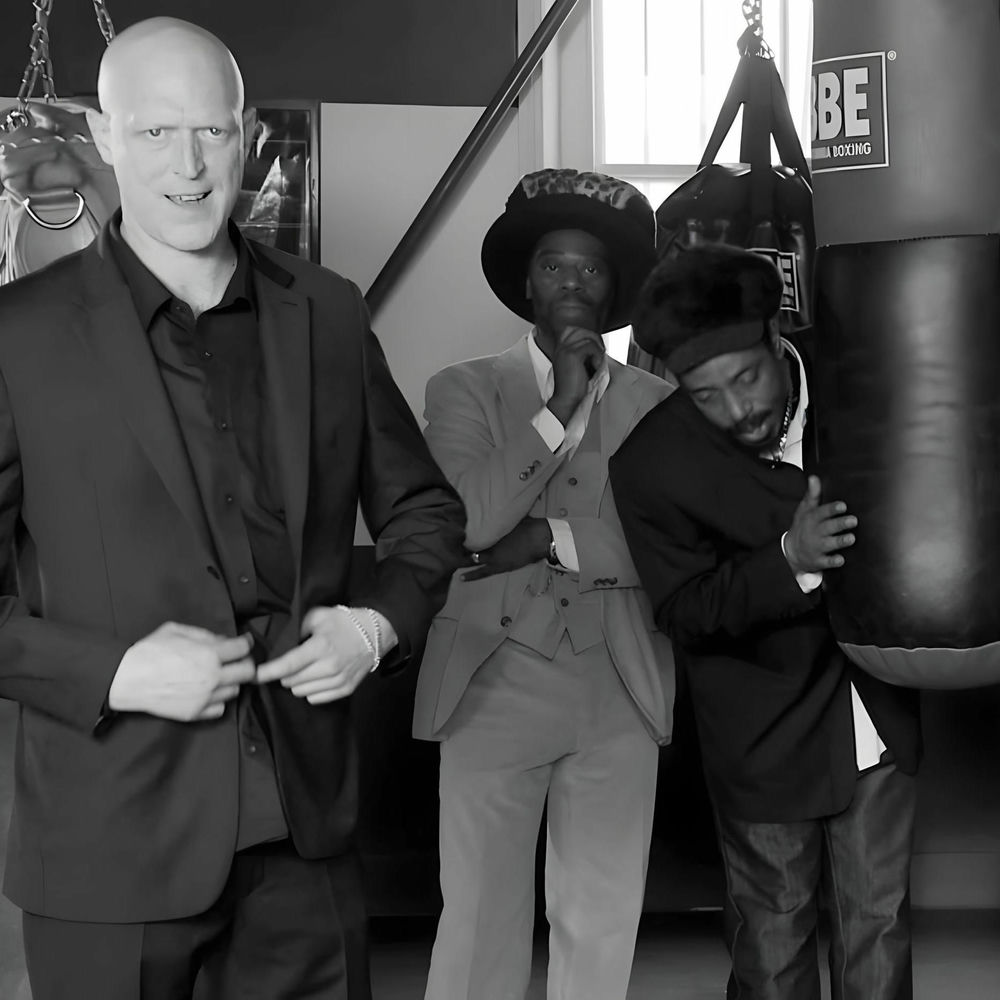
Dreadzone: The Pioneers of British Ambient Dub
Dreadzone is a British electronic music group known for their genre-blending fusion of dub, electronica, and rock. Formed in London in the early 1990s, the collective has built a lasting career through acclaimed albums and a legendary live reputation, becoming a staple of the UK's alternative festival scene.
Early Career
Dreadzone was formed in 1993 by former Big Audio Dynamite member Greg Roberts and musician Tim Bran. The group emerged from the London post-punk and dance scenes, aiming to create a new sonic palette. Their 1993 debut album, 360°, released on their own label, immediately established their signature sound of heavy dub basslines, electronic rhythms, and atmospheric samples.
Breakthrough
The band's breakthrough arrived with their second album, 1995's Second Light. The album spawned the hit single "Little Britain," which became an underground anthem and received significant airplay on UK radio. This success cemented Dreadzone's position at the forefront of the UK's electronica and ambient dub movement, leading to major festival bookings and a growing fanbase.
Key Tracks
Little Britain - This track from Second Light became the group's defining hit, a dub-infused anthem that captured the mid-90s electronic zeitgeist.
Captain Dread - A staple of their live sets, this song showcases their ability to blend reggae-inspired bass with driving electronic production.
Life, Love & Unity - The title track from their 2001 album exemplifies their positive, uplifting lyrical themes and polished dub techno sound.
The group continued to release influential albums throughout the 2000s and 2010s, including Sound and Eye on the Horizon, maintaining their core sound while incorporating contemporary electronic influences. Their longevity is a testament to their consistent vision and powerful live performances, which often feature a full band setup.
Artists with a similar genre-blending approach and foundational role in UK electronica include The Orb, pioneers of ambient house who share a love for dub textures. Leftfield also explores the heavier, progressive end of dub-influenced electronica. The eclectic, sample-based sound of Massive Attack shares a similar atmospheric and bass-heavy sensibility.