

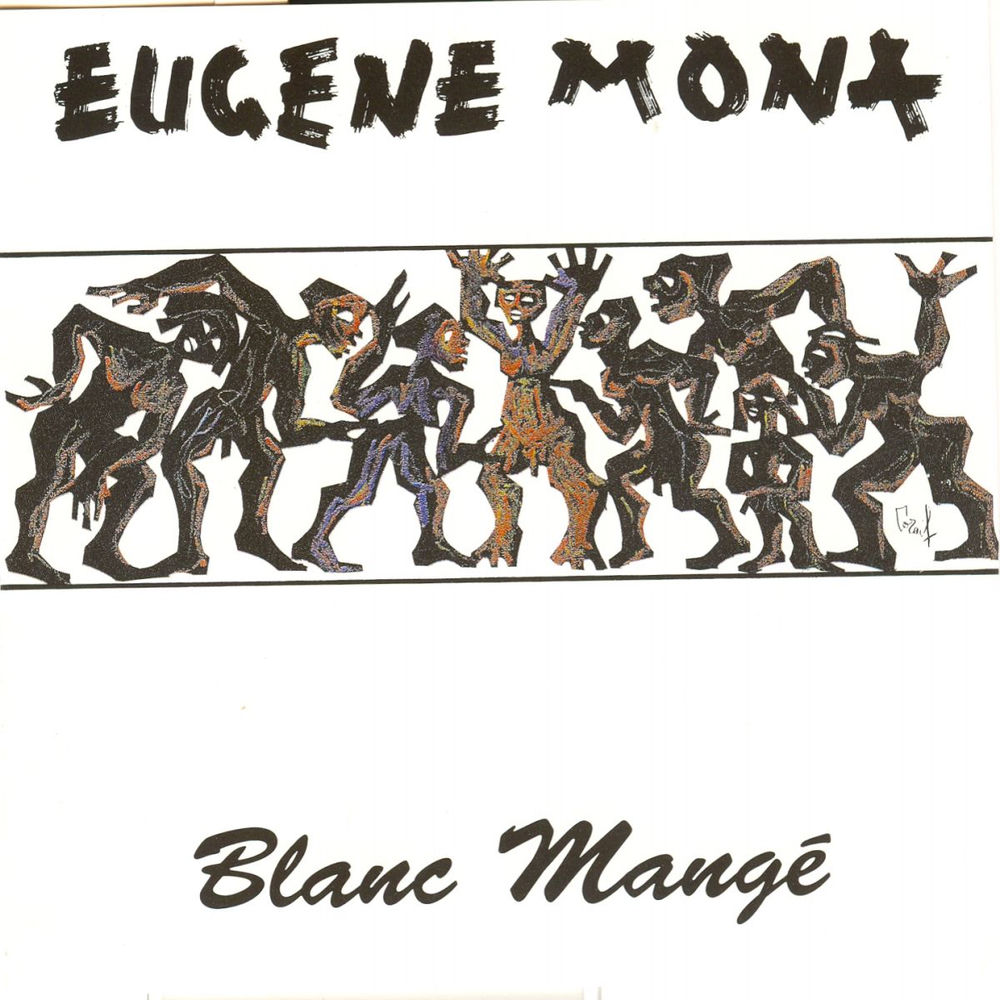
Eugène Mona
 Martinique
Listen Eugène Mona on radio stations:
Eugène Mona: The Soulful Voice of Martinican Bèlè
Eugène Mona was a pioneering Martinican singer, flautist, and composer who became a legend of French Caribbean music by masterfully blending traditional bèlè rhythms with modern zouk and pop sensibilities. Hailing from the town of Sainte-Marie, his powerful, raspy voice and dynamic stage presence made him a beloved figure whose albums, like "Zoukamine" and "Ban mwen an ti bo," achieved significant commercial success across the French Antilles and in mainland France.
Early career
Born Eugène Louis Nocla in 1943 in Martinique, he was immersed in the island's folk traditions from a young age. He began his artistic journey in theater before forming the group Les Léopards in the late 1960s, where he first started to experiment with fusing traditional music with contemporary sounds.
His solo career took flight in the 1970s with early albums like "Ti Crèole" and "Disque d'or," released on the Paris-based label Disques Debs, a powerhouse for Caribbean music. These works established his signature style: a deep respect for Martinican roots music delivered with a raw, energetic flair that appealed to a new generation.
Breakthrough
Eugène Mona's definitive breakthrough came with the 1984 album "Zoukamine," released on the emerging label Georges Debs/Hibiscus. The album's title track became an instant anthem, perfectly capturing the zeitgeist of the burgeoning zouk movement while staying true to its bèlè foundations. The record solidified his star status, selling strongly throughout the Francophone Caribbean and earning gold-level certifications in several territories.
Key tracks
Zoukamine — This 1984 hit is his most famous song, a quintessential fusion of driving zouk rhythms and traditional call-and-response vocals that defined an era.
Ban mwen an ti bo — A passionate and wildly popular ballad from the 1986 album of the same name, showcasing his emotive vocal range and romantic lyricism.
Chiré à ragoût — A classic example of his work that turns a traditional Martinican folk song into a vibrant, modern celebration.
Kolé séré — This energetic track exemplifies his ability to get audiences dancing with infectious grooves rooted in bèlè percussion.
Madou — A later-career highlight that demonstrates the enduring power and consistency of his musical formula into the 1990s.
Throughout the late 1980s and 1990s, Mona remained a prolific force, releasing successful albums like "Fouté fouté" and "A la demande" on the Hibiscus label. He collaborated with other giants of the scene, including guitarist and producer Guy Marc Ladonne, and performed tirelessly, his concerts renowned for their high-energy communion with the audience. His music consistently charted on dedicated Caribbean music charts in France.
Fans of Eugène Mona's authentic fusion of Martinican heritage with contemporary drive should also explore the works of Kali, a Guadeloupean artist similarly dedicated to modernizing Gwoka traditional music. The iconic Kassav shares the foundational zouk influence, though with a more polished, international production style. For another pillar of Martinican musical tradition, listen to Malavoi, known for their elegant fusion of biguine and classical strings.
Eugène Mona's vibrant catalog remains a staple on radio stations dedicated to world music, Caribbean beats, and Francophone sounds. His songs are regularly featured in the rotations of online radio streams focusing on tropical music, classic zouk anthems, and independent music radio stations celebrating global roots.
Listeners can discover the timeless music of Eugène Mona on radio stations featured on onairium.com, where his influential tracks continue to resonate with fans of authentic Caribbean rhythm and soul.
