
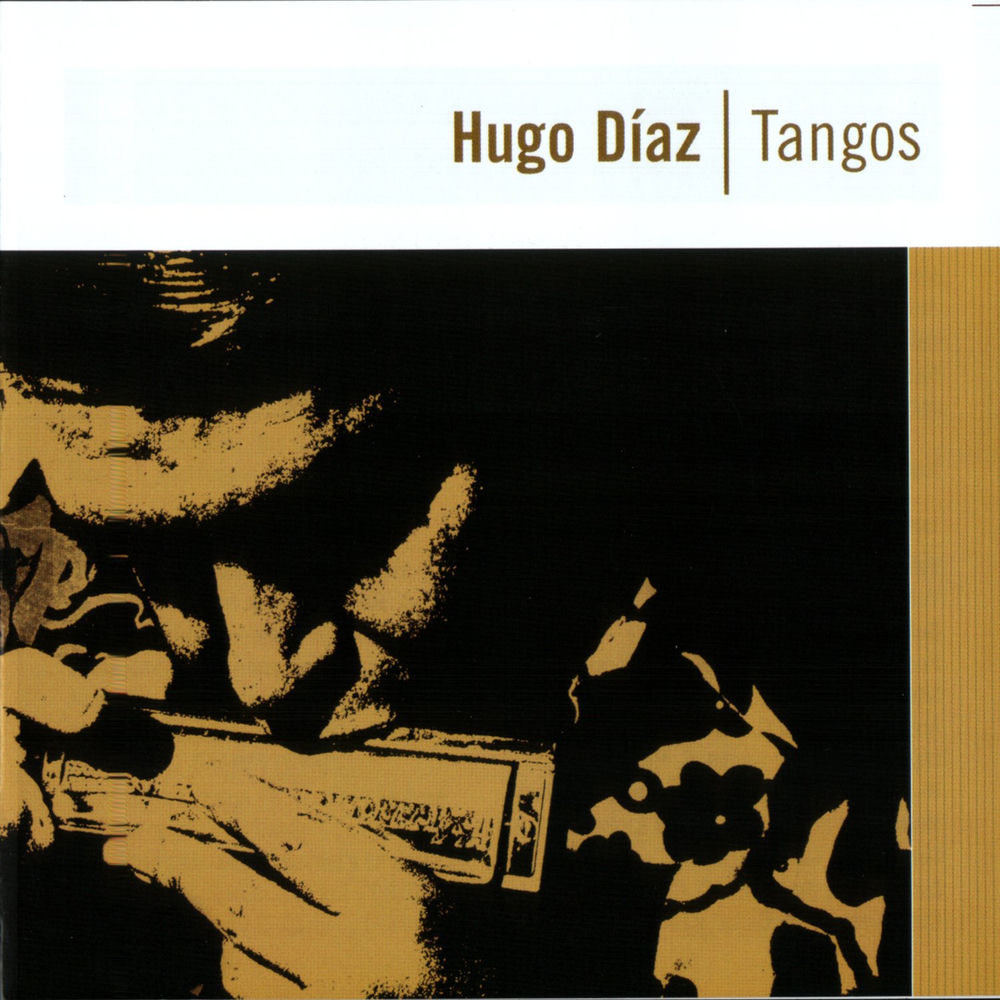
Hugo Diaz
Hugo Diaz: The Harmonic Master of Argentine Folklore
Hugo Diaz was an Argentine virtuoso whose profound mastery of the harmonica redefined its place in Latin American music. Hailing from Santiago del Estero, his 1969 album "Virtuoso Harmonica" became a landmark release, achieving gold status and cementing his legacy as a pivotal figure in the folklore and tango genres.
Early career
Born in 1927 in the city of Santiago del Estero, Hugo Diaz was blind from infancy. He began playing the harmonica as a young child, demonstrating an almost preternatural talent for the instrument. His professional start came in the 1940s, performing on Radio El Mundo in Buenos Aires and quickly gaining respect within the city's vibrant music scene.
His early recordings in the 1950s, often for the Odeon label, showcased his unique ability to translate complex classical and traditional pieces to the harmonica. Diaz did not merely play folk songs; he approached them with the technical precision and emotional depth of a concert soloist, setting the stage for his later innovations.
Breakthrough
The pivotal moment in Hugo Diaz's career arrived in 1969 with the release of "Virtuoso Harmonica" on the Trova label. This album was a revelation, presenting the harmonica not as a folk accessory but as a lead instrument capable of breathtaking classical and jazz performance. The record was a massive commercial and critical success, earning a gold certification and dominating Argentine charts for weeks.
This breakthrough established Diaz on the international stage, leading to tours across Europe and Latin America. The album's success proved there was a vast audience for his sophisticated, genre-blending approach, influencing a generation of musicians.
Key tracks
Zamba de Mi Esperanza — This interpretation is considered definitive, showcasing his lyrical, voice-like phrasing on the classic Argentine zamba.
Flight of the Bumblebee — His blistering performance on this classical piece became his signature, demonstrating unparalleled technical speed and control.
La Cumparsita — Diaz's melancholic and intricate take on the famous tango standard expanded the harmonic possibilities of the genre.
El Condor Pasa — His version of this Andean folk melody highlighted his global reach and delicate interpretive skill.
Following his breakthrough, Hugo Diaz continued to record prolifically throughout the 1970s and 80s, collaborating with major figures like guitarist Oscar Alemán and tango revolutionary Astor Piazzolla. His work with Piazzolla, particularly on pieces like "Adios Nonino," fused tango nuevo with Diaz's harmonic language, creating something entirely new. Later albums, such as "El Armoniquero" (1973), further explored jazz and bossa nova, solidifying his reputation as a restless innovator.
Fans of Hugo Diaz's deeply expressive and technically astounding approach to Argentine roots music should also explore the work of Mercedes Sosa, whose powerful voice defined the Nueva Canción movement. The intricate guitar work of Eduardo Falu shares a similar dedication to folkloric mastery and virtuosity. For the instrumental depth and emotional range of tango, listen to Astor Piazzolla, Diaz's famed collaborator. The contemporary folk explorations of Soledad Pastorutti also carry forward the spirit of revitalizing traditional forms.
Hugo Diaz's catalog remains a staple on Argentine folk radio stations and specialty programs dedicated to classic Latin American music. His recordings are frequently featured on online radio streams that focus on instrumental virtuosity and the rich history of tango and folklore, ensuring his technical brilliance continues to reach new listeners.
The music of harmonica legend Hugo Diaz is regularly featured on the folk and tango stations available through our network. You can discover the virtuosic sound of this Argentine artist by tuning into the curated radio stations on onairium.com.
