

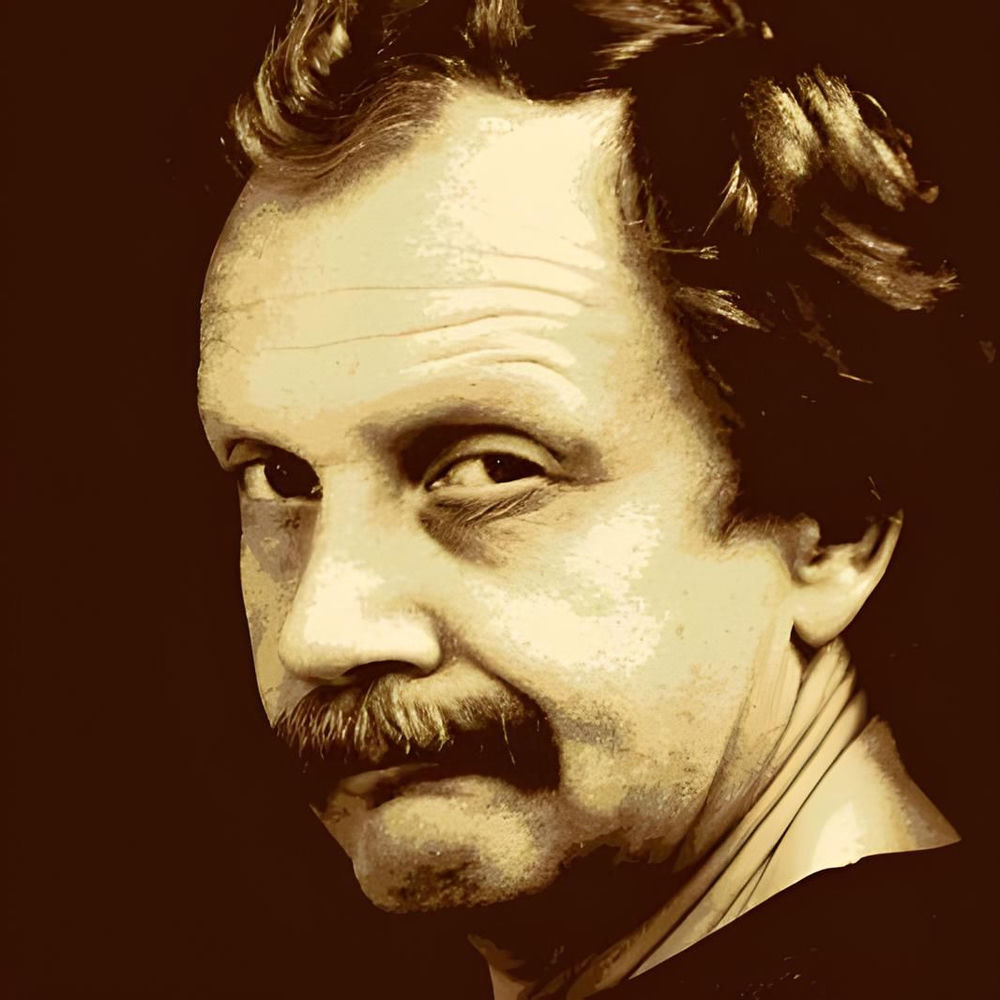
Jürgen Hart
 Germany
Listen Jürgen Hart on radio stations:


Jürgen Hart: The Driving Force of German Rock
Jürgen Hart was a German rock musician and lyricist best known as the frontman and creative engine of the influential band Karat. Hailing from East Germany, Hart co-founded the group in 1975 and led it to become one of the most successful rock acts in the GDR, achieving unprecedented commercial success with multi-platinum album sales and chart-topping hits that resonated across the entire German-speaking world.
Early career
Born in 1948 in Leipzig, Jürgen Hart's artistic path began not in music but in visual art, studying to become a painter. His musical journey started in the late 1960s with the band Panta Rhei, where he first collaborated with future Karat keyboardist Ulrich "Ed" Swillms. The East German cultural landscape of the 1970s provided a unique backdrop, where bands operated within the state-controlled music system but still managed to cultivate a massive fanbase through radio play and official Amiga label releases.
Breakthrough
Karat's national breakthrough in the GDR came swiftly with their early albums, but their definitive crossover success in both German states arrived with the 1982 album Der blaue Planet. Released on the state-owned Amiga label, the album's title track became an enduring anthem. The band's true pinnacle was the 1987 album Fünfte Jahreszeit, which sold over 1.2 million copies, earning multiple platinum certifications and cementing Karat's status as a supergroup in German rock.
Key tracks
Über sieben Brücken — This 1978 power ballad became Karat's first major hit and remains one of the most iconic German rock songs of all time.
Der blaue Planet — The environmentally conscious title track from the 1982 album broadened the band's thematic depth and became a radio staple.
König der Welt — A key track from the platinum-selling Fünfte Jahreszeit album, showcasing Hart's poetic lyrics and the band's refined melodic rock sound.
Albatros — This epic, multi-part song demonstrated the band's progressive rock influences and compositional ambition.
Magisches Licht — A later hit that proved Hart and Karat's ability to craft catchy, guitar-driven rock anthems well into the 1990s.
Hart's role extended beyond vocals; he was the primary lyricist, shaping Karat's identity with his thoughtful, often poetic and socially observant words. His collaboration with composer and keyboardist Ed Swillms formed the core of Karat's songwriting machinery. Despite the political division of Germany during the band's rise, Karat's popularity eventually soared in West Germany as well, leading to performances on major West German television shows and tours.
Artists with a similar melodic and lyrical approach to German-language rock include Silly, another influential East German band known for its sophisticated rock and poignant lyrics. The rock tradition of Karussell also shares a commitment to well-crafted songwriting within the German rock scene. For the anthem-like quality of their hits, listeners often reference Puhdys, Karat's main GDR-era rivals in popularity. The thematic depth connects to City, whose rock operas explored similar narrative concepts.
Jürgen Hart's music with Karat maintains a strong presence on radio stations dedicated to classic rock hits and German music heritage. Their timeless anthems are regularly featured on major German-speaking classic rock FM stations, alternative rock formats celebrating national rock history, and various online radio streams focused on iconic 80s rock.
The enduring rock anthems of Jürgen Hart and Karat continue to be broadcast on radio stations featured here on onairium.com. Listeners can discover the band's legendary catalog, from early hits to platinum-selling albums, by tuning into the classic rock and dedicated German rock stations available on our platform.
