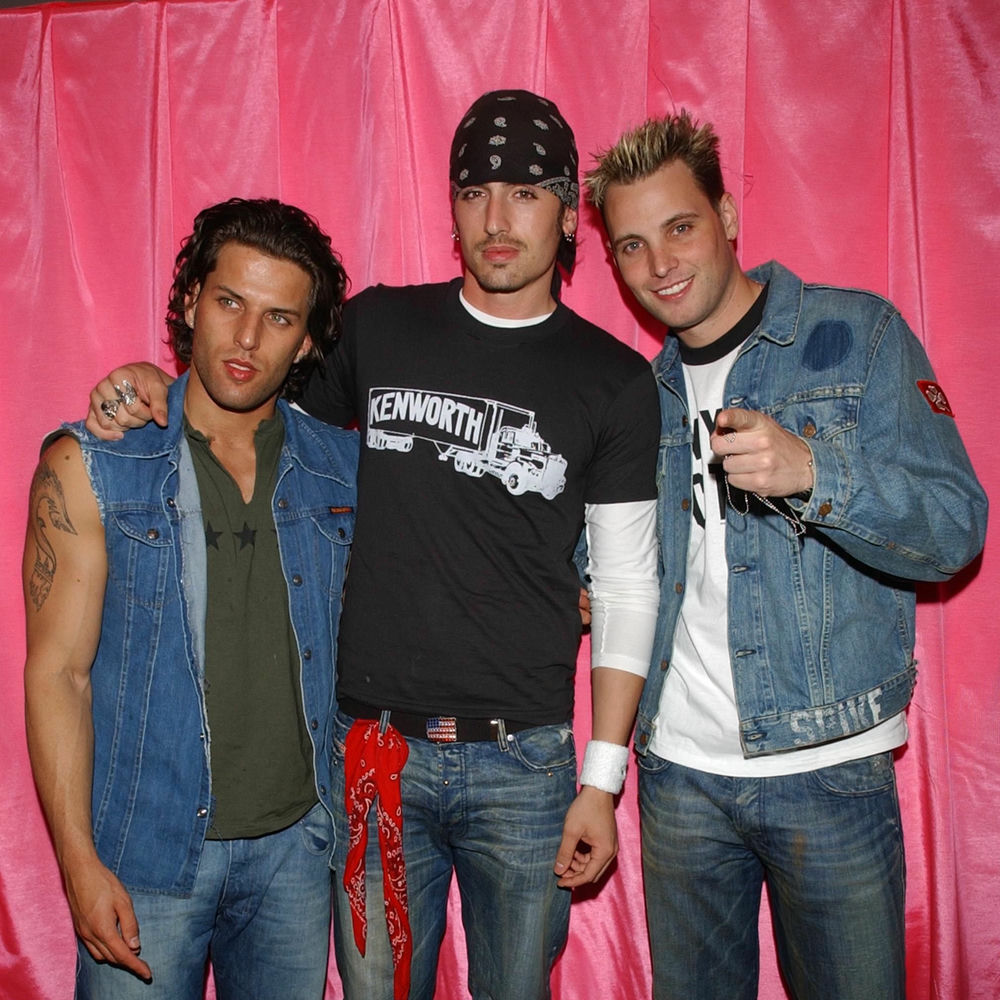
LFO
Listen on radio stations:

LFO: Pioneers of British Bleep Techno and IDM
LFO was an English electronic music group central to the development of the bleep techno and intelligent dance music (IDM) genres. Formed in Leeds, the duo became one of the foundational acts on the seminal Sheffield-based label Warp Records, with their self-titled 1990 single becoming a landmark in UK dance music.
Early career
LFO was formed in 1988 by Mark Bell and Gez Varley, two friends from Leeds united by a passion for electronic sound. Their early experiments with bass-heavy, minimalist techno quickly caught the attention of the nascent Warp Records, which was establishing itself as a hub for innovative UK electronic music.
Breakthrough
The group's breakthrough arrived in 1990 with the release of their debut single, LFO. Its seismic, sub-bass frequencies and stark, robotic rhythms defined the emerging "bleep techno" sound emanating from Northern England. The track was a major underground hit, reportedly selling over 130,000 copies and reaching number 12 on the UK Singles Chart, a rare feat for such a experimental dance record at the time.
Key tracks
LFO - The 1990 debut single that established the blueprint for bleep techno and became Warp Records' first commercial success.
We Are Back - A key track from their 1991 debut album Frequencies, showcasing their evolving, complex soundscapes.
What Is House? (LFO Remix) - Their influential remix for Nightmares on Wax demonstrated their ability to deconstruct and rebuild house music with their distinctive bass-heavy style.
Freak - A single from their 2003 album Sheath, marking a heavier, more abrasive direction following Mark Bell's solo work and collaborations.
Following their explosive debut, LFO released their first album, Frequencies, in 1991, which further cemented their status as pioneers. Gez Varley left the group in 1996, after which Mark Bell continued under the LFO name, releasing the album Advance in 1996 and Sheath in 2003. Bell was also highly sought after as a producer and collaborator, most notably working extensively with Björk on albums like Homogenic and Vespertine. The project became inactive following Mark Bell's passing in 2014.
Fans of LFO's foundational role in UK techno and IDM should also explore the work of Autechre, fellow Warp Records artists known for their complex, evolving electronic compositions. The rhythmic experimentation of The Orb shares a similar spirit of ambient-tinged dance music. For the bass-weight and minimalist approach of early bleep, Nightmares On Wax is an essential listen. The genre-defining early output of Aphex Twin on the same label also explores parallel paths in electronic music innovation.
Similar artists