
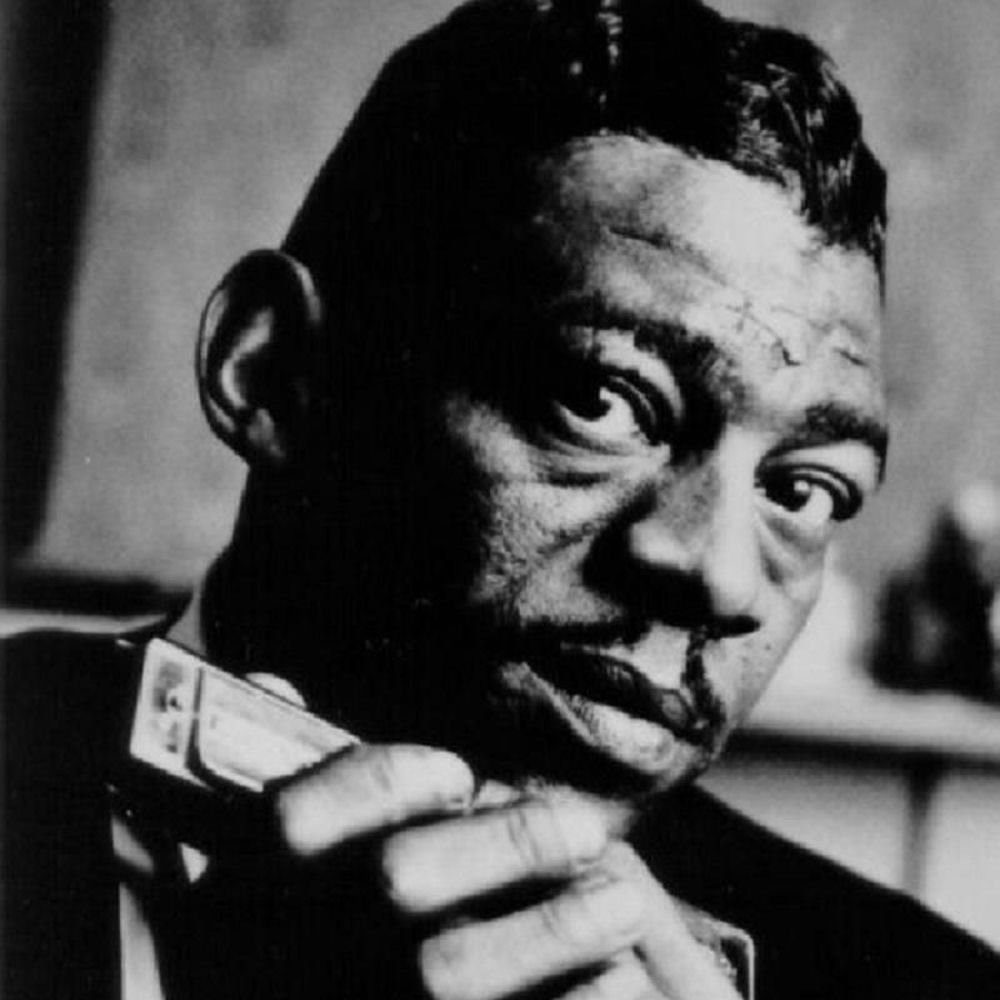

Little Walter: The Revolutionary Blues Harmonica Virtuoso
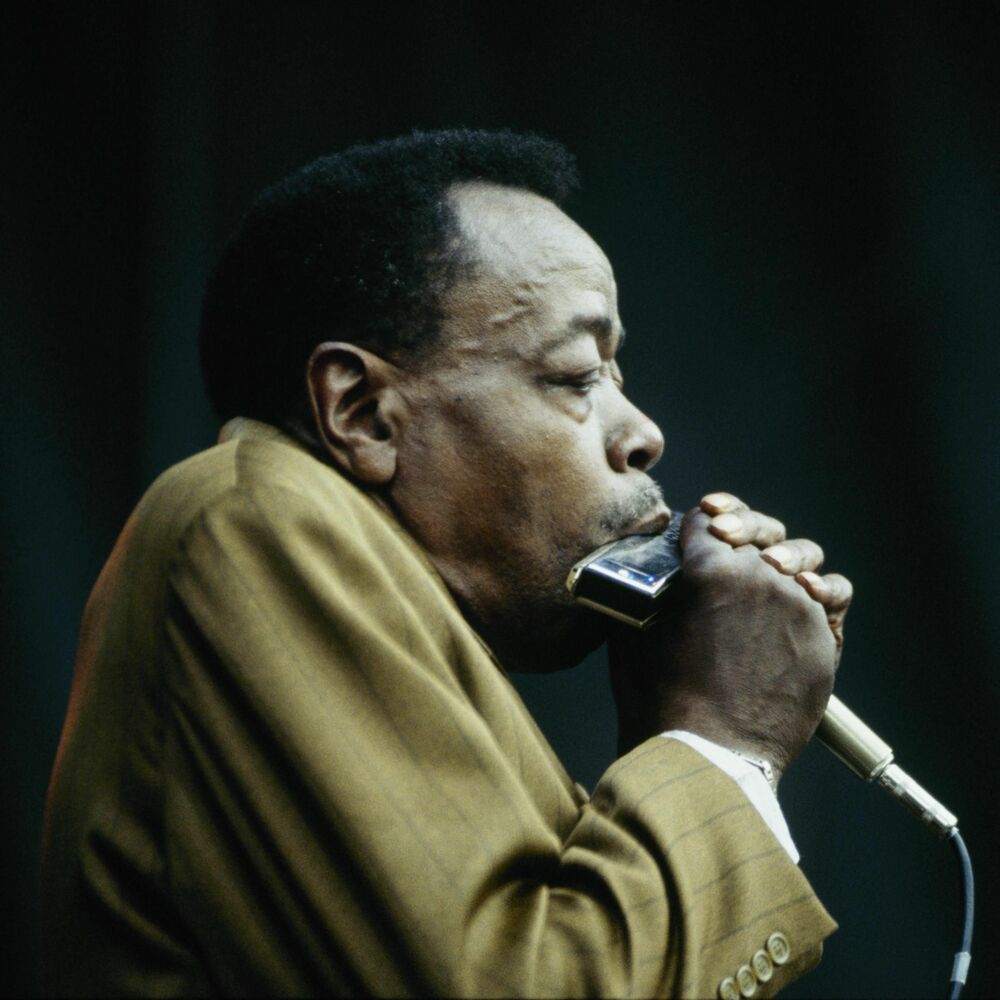
Little Walter, born Marion Walter Jacobs, was an American blues harmonica player and singer whose technical mastery redefined the instrument's role in modern music. Hailing from Louisiana, his 1952 instrumental "Juke" became a landmark No. 1 hit on the Billboard R&B chart, cementing the harmonica as a lead voice in the Chicago blues ensemble.
Early career
Born in 1930 in Marksville, Louisiana, Walter left home as a teenager, honing his craft on the streets of New Orleans, Memphis, and St. Louis. He arrived in Chicago in 1945, quickly immersing himself in the vibrant South Side blues scene and recording early sides for the tiny Ora-Nelle label in 1947.
Breakthrough
Little Walter's career exploded in 1952 after he joined Muddy Waters's band and began recording for Chess Records' subsidiary, Checker. His amplified harmonica instrumental "Juke," recorded as a sideman with Waters's band but released under his own name, spent eight weeks at No. 1 on the Billboard R&B chart in late 1952, a stunning achievement for an instrumental blues track.
Key tracks
Juke — This 1952 instrumental was a No. 1 R&B hit and remains the definitive Chicago blues harmonica anthem.
My Babe — Written by Willie Dixon, this 1955 song was Walter's second and final R&B No. 1, showcasing his vocal prowess.
Boom Boom Out Go The Lights — A live favorite, this raw 1950s track exemplifies Walter's aggressive, cutting harmonica style.
Off The Wall — This 1952 track highlights his revolutionary use of amplification and distortion for expressive effect.
Mean Old World — A slower blues from 1953 that demonstrates his deep emotional phrasing and technical control.
Following his breakthrough, Little Walter led his own band, The Jukes, and dominated the blues charts throughout the 1950s with hits like "Sad Hours," "Mean Old World," and "My Babe." His series of singles for Checker Records, compiled on albums like The Best of Little Walter, are considered the cornerstone of modern blues harmonica. His influential collaborations extended beyond Muddy Waters to sessions with Bo Diddley, Jimmy Rogers, and Robert Lockwood Jr.
While his chart success waned after the 1950s, Walter's influence only grew. His turbulent personal life and fiery temperament, however, led to a decline in health. The blues legend died in 1968 from injuries sustained in a street fight. In 2008, he was inducted into the Rock and Roll Hall of Fame as a sideman for Muddy Waters, a testament to his foundational role.
For fans of the raw, amplified Chicago blues sound, explore similar artists like Muddy Waters, whose band Walter helped define. The harmonica work of Sonny Boy Williamson II represents another pillar of the classic Chicago style. The driving guitar blues of Howlin' Wolf often featured Walter's potent harmonica. Later disciples like Charlie Musselwhite directly carried Walter's technical innovations forward.
Little Walter's revolutionary sound remains a staple on dedicated blues radio stations and classic rock FM stations that feature foundational rhythm and blues. His recordings are essential programming for any station exploring the roots of rock and roll.
The music of Little Walter, the architect of modern blues harmonica, is regularly featured on radio stations across our network. Listeners can discover his iconic tracks and enduring legacy by tuning into the blues and classic rock stations available on onairium.com.