
Mecano
Listen Mecano on radio stations:





Mecano: Pioneers of Spanish Synth-Pop
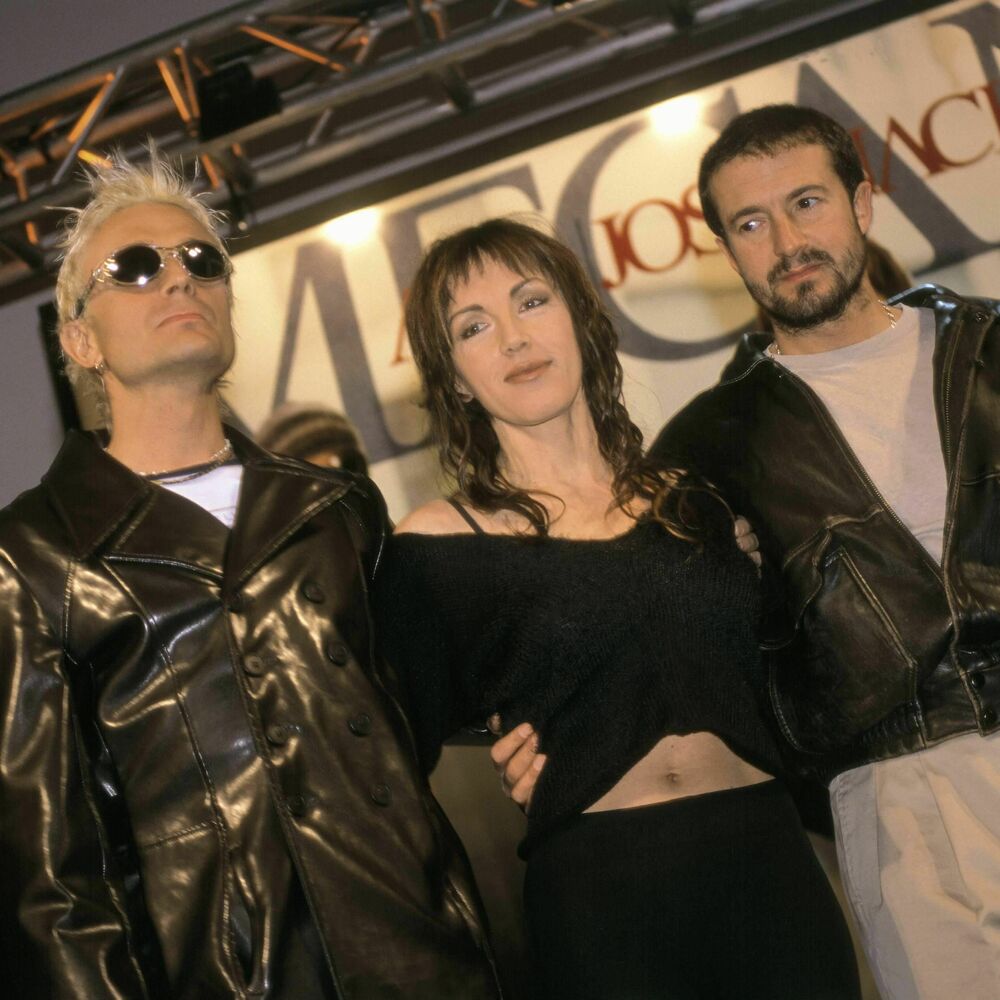
Mecano was a seminal Spanish pop band that became one of the most successful acts in the Spanish-speaking world. Formed in Madrid in 1981, the group is celebrated for its innovative fusion of synth-pop with lyrical storytelling, selling millions of records throughout their career.
Early Career
The band was formed by siblings Nacho Cano and Ana Torroja, along with their friend José María Cano. Their early demos caught the attention of the newly formed Spanish label CBS, now Sony Music, which signed them and released their self-titled debut album Mecano in 1982.
Breakthrough
Mecano's breakthrough came swiftly with their debut album, propelled by the hit single Hoy no me puedo levantar. The song's catchy synth melody and relatable lyrics about youthful disillusionment resonated deeply, making it an anthem and establishing the trio as fresh voices in the Spanish music scene of the early 1980s.
Key Tracks
Hoy no me puedo levantar - This debut single launched Mecano to fame, defining their early sound and becoming a cultural touchstone.
Me colé en una fiesta - A follow-up hit that further cemented their popularity with its narrative style and electronic pop arrangement.
Mujer contra mujer - A groundbreaking and controversial song for its time, addressing a lesbian relationship with sensitivity and becoming one of their most famous tracks.
Hijo de la luna - Perhaps their most mythologically inspired and enduring ballad, showcasing Ana Torroja's distinctive vocals and the band's poetic lyricism.
Un año más - A synth-pop classic that is played perennially in Spain to celebrate the New Year, highlighting their lasting impact on popular culture.
Throughout the 1980s and early 1990s, Mecano released a series of successful albums like Entre el cielo y el suelo (1986) and Descanso dominical (1988), which included collaborations with artists like flamenco singer Remedios Amaya. Their ability to craft sophisticated pop songs about diverse themes, from social issues to personal stories, set them apart. After a period of hiatus and solo projects, the band officially dissolved in 1998, leaving behind a profound legacy in Latin pop.
Fans of Mecano's melodic synth-pop and narrative songwriting might also enjoy Radio Futura, another innovative Spanish group from the same era that blended new wave with rock. The poetic Spanish-language pop of Joaquín Sabina shares a similar lyrical depth. For later Spanish pop with electronic influences, explore Alejandro Sanz. The iconic Italian singer Mina also parallels Mecano's blend of powerful vocals and modern pop arrangements.
Mecano's catalog remains a staple on classic and contemporary Spanish pop radio stations, where their timeless hits continue to receive regular airplay. Their influence ensures their music is featured across a variety of online radio streams dedicated to iconic international pop acts.
The music of Mecano can be discovered and enjoyed through the radio stations featured on our website, offering listeners a direct connection to the sound of this foundational Spanish pop act.
