
Roy Buchanan: The Telecaster Master of Blues Rock
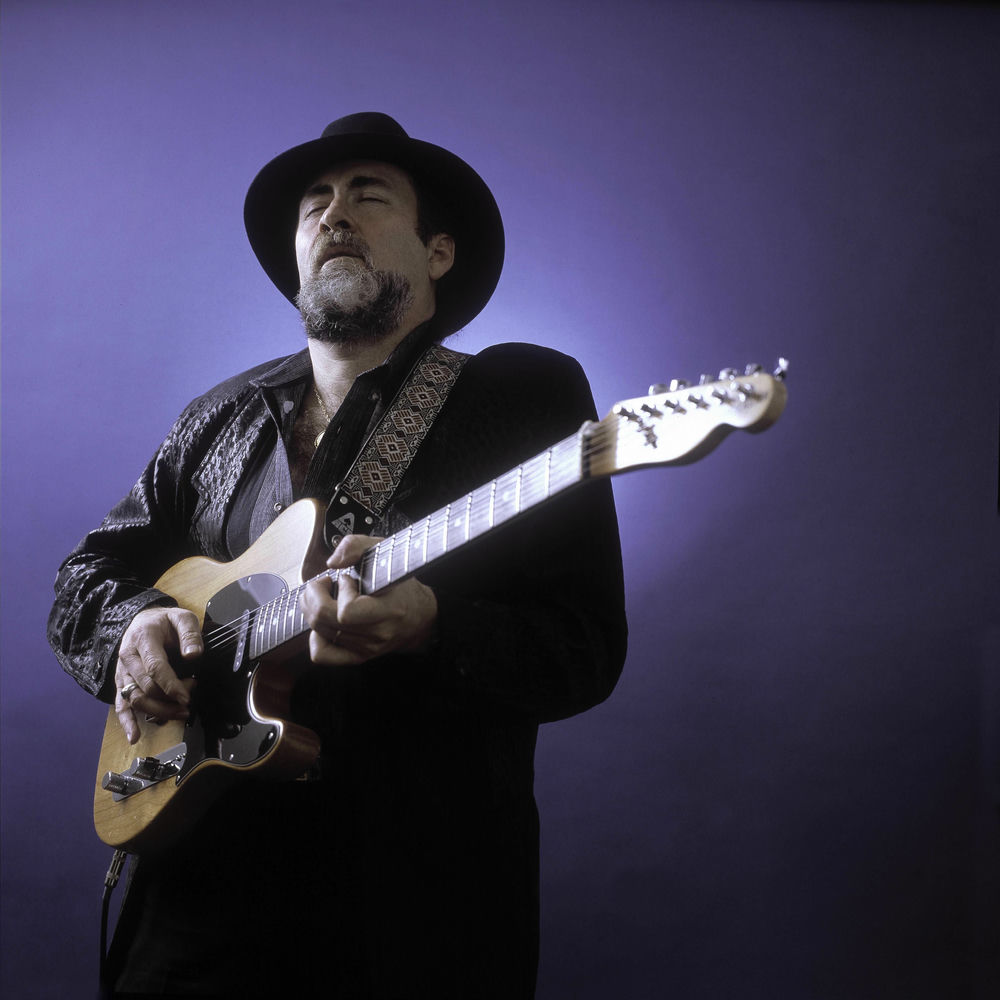
Roy Buchanan was an American guitarist renowned for his virtuosic and emotive command of the Fender Telecaster, pioneering a searing blend of blues and rock. Hailing from Ozark, Arkansas, and raised in California, his career, though marked by cult status rather than mainstream commercial success, was defined by a legendary 1971 television documentary that dubbed him "The Best Unknown Guitarist in the World," cementing his influence among musicians and aficionados.
Early Career
Born in 1939, Roy Buchanan's musical journey began in the 1950s, a period spent honing his craft as a sideman. He contributed to sessions for artists like Dale Hawkins and performed in bands, developing his signature piercing tone and innovative use of volume swells and harmonic pinches on his trademark 1953 Fender Telecaster. Despite his formidable talent, Buchanan initially shunned the spotlight, leading a journeyman's life that built his formidable reputation within music circles long before he released a solo record.
Breakthrough
Buchanan's breakthrough arrived not with a hit single, but through national television. The 1971 PBS documentary "The Best Unknown Guitarist in the World" exposed his astonishing technique to a wide audience, leading to a solo contract with Polydor Records. His self-titled debut album, "Roy Buchanan," released in 1972, captured his raw, instrumental prowess and is considered a landmark in electric blues and guitar rock, though it did not achieve significant chart positions.
Key Tracks
The Messiah Will Come Again - This haunting, slow-burning instrumental from his debut album became his signature piece, a masterclass in emotional tension and lyrical guitar playing.
Sweet Dreams - A reworking of the Don Gibson country classic, this track showcases Buchanan's ability to inject deep blues feeling into familiar material, featuring soaring, vocal-like guitar lines.
Hey Joe - His extended, exploratory take on the rock standard demonstrated his capacity for building dramatic solos and remains a staple of his live recordings.
Five String Blues - A raw, down-home blues number that highlighted his deep roots in the genre and his percussive, articulate picking style.
Following his initial burst of recognition, Buchanan released a series of albums throughout the 1970s for Polydor, including "Second Album" (1973) and "That's What I Am Here For" (1974), which further explored his blend of blues, rock, and country. His relationship with the major label system was often fraught, as his artistic vision sometimes clashed with commercial expectations. Nevertheless, his influence on a generation of guitarists, from Robbie Robertson to Jeff Beck, who famously credited Buchanan with inspiring his own move to the Telecaster, continued to grow. He later recorded for the Alligator label, releasing "When a Guitar Plays the Blues" in 1985, which marked a return to a purer blues format.
Artists with a similar dedication to guitar mastery within the blues and blues rock genres include the explosive Johnny Winter, the lyrical and potent Mike Bloomfield, and the fiery Danny Gatton. These players, like Buchanan, are celebrated for their technical innovation and deep emotional communication through their instruments.
Roy Buchanan's life was tragically cut short in 1988. His legacy, however, endures entirely through his recorded performances and his mythic status among guitar enthusiasts. The raw power and singing tone of Roy Buchanan's Telecaster continues to define a pinnacle of instrumental blues rock expression, securing his place as a true guitarist's guitarist.