Rusty Bryant
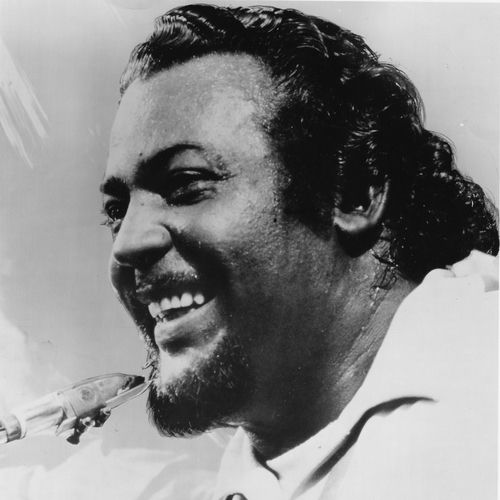
Rusty Bryant: The Soulful Saxophonist of Jazz-Funk
Rusty Bryant was an American tenor and alto saxophonist whose powerful, blues-drenched sound became a staple on the jazz and R&B charts in the 1960s and 70s. Hailing from Columbus, Ohio, his career was defined by a series of gritty, dance-floor ready instrumentals that fused hard bop with soul jazz and early funk, earning him a loyal following.
Early career
Born in 1929, Russell Bryant began his professional journey in the vibrant post-war jazz scene of his hometown. He formed his first group, the Carolyn Club Band, in the late 1940s, quickly establishing a reputation for his robust, honking tenor style that drew from Illinois Jacquet and Gene Ammons. His recording career launched in the 1950s on the Dot label, where he cut sides that blended jump blues with emerging rock and roll rhythms.
Breakthrough
Bryant's major breakthrough arrived in 1969 after signing with the prestigious Prestige Records label. His album Fire Eater, featuring the incendiary title track, became an instant hit on both jazz and R&B radio. The album's success was propelled by its relentless groove and Bryant's searing saxophone lines, cementing his status as a master of soul-jazz.
Key tracks
Fire Eater — This driving, organ-fueled instrumental became his signature tune and a radio staple, defining his energetic style.
Night Train Now — A funky reworking of the classic "Night Train" that showcased his ability to reinvent standards for a new generation.
The Madison Time — Earlier in his career, Bryant provided the explosive saxophone part for this Ray Bryant Combo dance craze hit, demonstrating his crossover appeal.
Soul Liberation — A track from his successful 1971 album Wildfire that highlights his seamless blend of spiritual jazz themes with accessible funk rhythms.
Throughout the 1970s, Bryant remained a prolific force for Prestige and its subsidiary labels, recording a string of popular albums including For the Good Times and Until It's Time for You to Go. He frequently collaborated with master organists like Sonny Phillips and Bill Mason, creating the potent sax-and-organ combo sound that was the heartbeat of the genre. His music consistently found a home on the Billboard Jazz and R&B charts, though specific certifications for his albums were not formally tracked in that era.
Artists with a similar gritty, soul-powered approach to saxophone include Stanley Turrentine, who shared Bryant's bluesy melodic sensibility. The funky drive of his music also aligns with Houston Person, another master of soul-jazz tenor. For the organ combo sound, explore Charles Earland, who often featured powerful horn players. The earlier R&B influence connects to King Curtis, who similarly bridged jazz and rock with his saxophone.
Rusty Bryant's catalog remains in heavy rotation on specialist radio formats, particularly on classic jazz FM stations and dedicated soul-jazz online radio streams. His energetic instrumentals are a fixture on programs celebrating the golden era of jazz-funk and groove-based jazz, ensuring his sound continues to reach new listeners.
The music of Rusty Bryant, a key figure in soul-jazz, can be heard regularly on the radio stations featured on our website. Listeners can discover his powerful saxophone recordings by tuning into the jazz and classic R&B stations available on onairium.com.