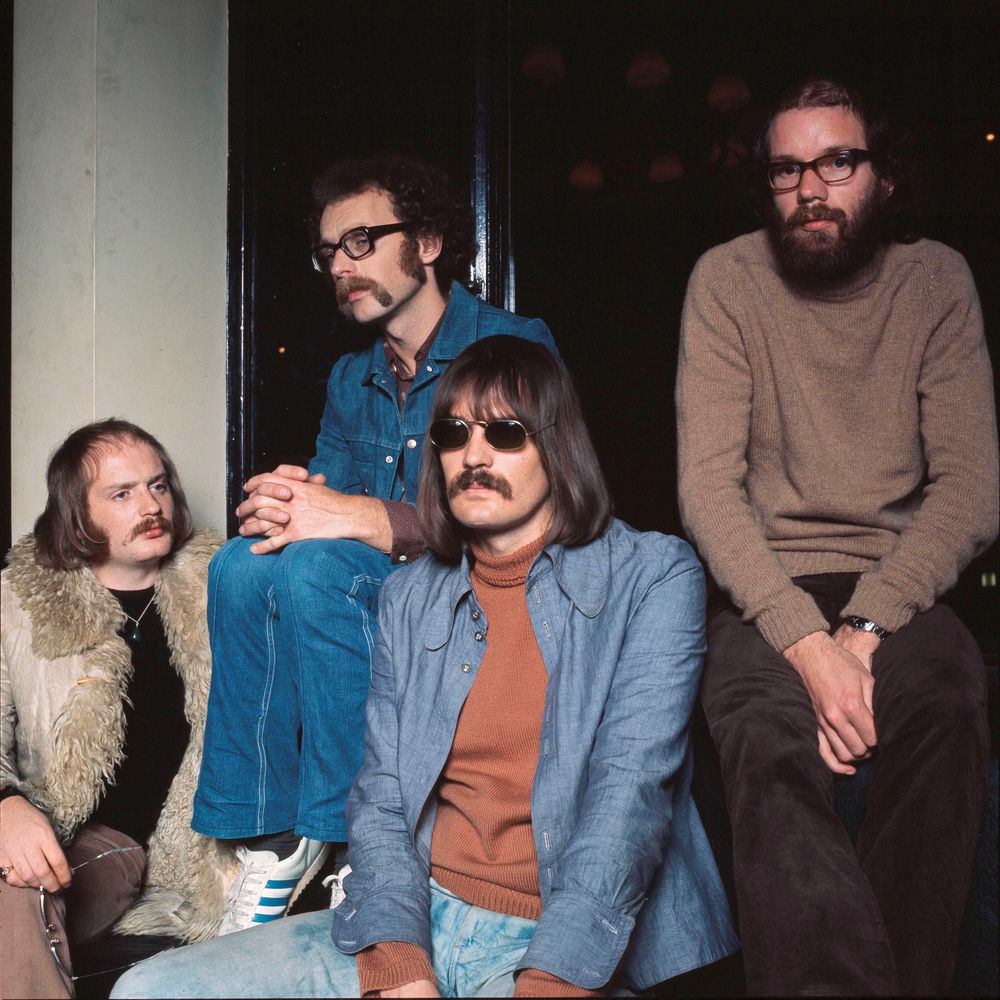
Soft Machine
 United Kingdom
Listen Soft Machine on radio stations:
Soft Machine: Pioneers of British Progressive and Jazz Rock
Soft Machine is a foundational British band whose experimental fusion of psychedelic rock, jazz, and avant-garde composition defined the Canterbury scene. Formed in 1966, the group never achieved mainstream chart dominance but built a formidable legacy through relentless touring and a series of critically acclaimed albums that pushed musical boundaries.
Early career
Soft Machine coalesced in Canterbury, England, around the core trio of Robert Wyatt, Kevin Ayers, and Mike Ratledge, with Daevid Allen participating in early incarnations. Their initial sound was a whimsical, psychedelic pop, and they quickly became a staple of the London underground, sharing stages with Pink Floyd at the UFO Club. Their 1968 self-titled debut, Soft Machine, released on the Probe label, captured this early phase but hinted at the complex directions to come.
Breakthrough
The band's breakthrough into a more ambitious, instrumental format came with their 1970 album Third, a landmark double LP on CBS Records. This album, consisting of four side-long suites, marked a decisive shift toward extended jazz-rock improvisations and complex time signatures. While not a chart hit, Third is widely regarded as a masterpiece of the progressive rock genre and established their international reputation, particularly in Europe.
Key tracks
Moon In June — This Robert Wyatt-led track from Third beautifully bridges the band's pop past with its jazz-inflected future.
Facelift — A sprawling, aggressive piece from Third that showcased the band's full commitment to avant-garde jazz fusion.
Out-Bloody-Rageous — The opening suite from Third is a definitive statement of their new, keyboard-driven sound.
Slightly All The Time — This track from Third exemplifies their seamless blend of composed themes and collective improvisation.
Hibou, Anemone and Bear — From the album Soft Machine, it highlights their early, more melodic psychedelic songcraft.
The band's lineup became increasingly fluid after Third, with Wyatt departing in 1971. Under the leadership of Mike Ratledge, Soft Machine evolved into a purely instrumental jazz-rock ensemble, recruiting saxophonist Elton Dean and bassist Hugh Hopper. Albums like Fourth (1971) and Six (1973) on CBS refined this approach, while later records on Harvest like Bundles (1975) introduced guitarist Allan Holdsworth, adding a fiery rock edge to their sophisticated compositions.
For listeners who appreciate the intricate, exploratory sounds of Soft Machine, the Canterbury scene and progressive jazz-rock offer rich parallels. Discover Caravan, who shared their melodic sensibility and whimsical humor. The more jazz-focused work of Hatfield and the North features overlapping personnel and complex arrangements. The early experimental rock of Pink Floyd shares their initial psychedelic playground. For a later iteration of intricate British fusion, explore Brand X, which also featured virtuosic improvisation.
RADIO ROTATION
The pioneering recordings of Soft Machine remain a staple on specialist radio formats, including progressive rock stations, dedicated jazz fusion streams, and online radio stations focusing on classic album-oriented rock. Their influential catalog ensures regular airplay for both their psychedelic beginnings and their intense fusion period.
You can explore the evolving sound of Soft Machine by tuning into the progressive and classic rock radio stations featured right here on onairium.com. Our curated stations regularly program their groundbreaking work, offering the perfect way to discover or rediscover this essential chapter in music history.