
Tamba Trio: Pioneers of Brazilian Bossa Nova and Samba-Jazz
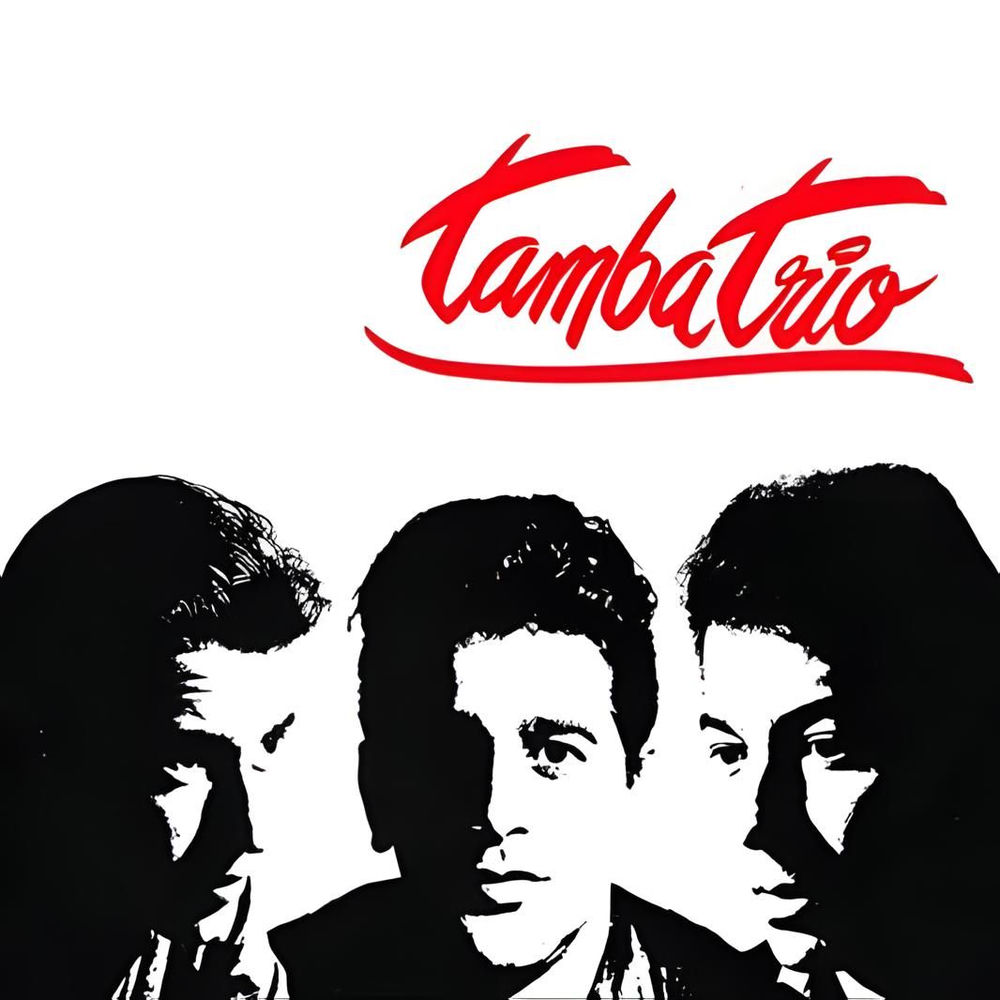
Tamba Trio was a definitive Brazilian vocal and instrumental group that shaped the sound of 1960s bossa nova and samba-jazz. Hailing from Rio de Janeiro, their sophisticated arrangements and energetic live performances made them one of Brazil's most influential ensembles, with albums like Tempo remaining landmark recordings of the era.
Early career
The group formed in Rio de Janeiro in 1961, originally consisting of pianist Luiz Eça, bassist Bebeto (born Adalberto Castilho), and drummer Helcio Milito. Their name was derived from the first two letters of each member's surname. They quickly distinguished themselves by blending intricate vocal harmonies with a tight, jazz-inflected instrumental foundation, moving beyond traditional bossa nova accompaniment.
Breakthrough
The trio's self-titled debut album, Tamba Trio, released in 1962 on Philips Records, immediately established their innovative sound. Their true commercial and critical breakthrough, however, came with the 1963 album Avanço, which featured their explosive interpretation of "Mas Que Nada". This track became a national hit and helped propel the album to significant sales, cementing their status as stars within the burgeoning Brazilian popular music scene.
Key tracks
Mas Que Nada — Their percussive, driving version of Jorge Ben's song became a signature hit and a definitive recording of the samba-jazz style.
O Amor em Paz — This Antonio Carlos Jobim and Vinicius de Moraes composition showcased the trio's mastery of subtle bossa nova harmony and gentle vocal delivery.
Influência do Jazz — The title track from their 1964 album perfectly illustrates their musical philosophy, fusing samba rhythms with complex jazz chord progressions.
Samba da Pergunta — A lively example of their ability to transform a classic samba by Pixinguinha into a modern, harmonically rich arrangement.
Tempo — The title track from their acclaimed 1970 album is a sophisticated Luiz Eça composition highlighting their mature, progressive sound.
Throughout the mid-to-late 1960s, Tamba Trio released a series of acclaimed albums for Philips, including Tempo in 1970, which is often considered their masterpiece. Personnel changes occurred, with Bebeto leaving and being replaced by Ohana, but the core sound remained. They toured internationally, bringing Brazilian jazz to new audiences and collaborating with artists like saxophonist Paul Winter.
The original lineup briefly reunited in the late 1970s. The legacy of Tamba Trio endures, influencing countless Brazilian artists with their unique formula. Their work is frequently sampled and referenced, a testament to the timeless quality of their rhythmic and harmonic innovations within the Brazilian music genre.
Fans of Tamba Trio's sophisticated blend of samba and jazz often appreciate the work of similar Brazilian artists. Explore Quarteto Em Cy for their intricate vocal harmonies and bossa nova repertoire. The instrumental prowess of Sérgio Mendes follows a similar path of popularizing Brazilian jazz globally. The cool bossa sound of João Gilberto is a foundational influence on the trio's style. For later Brazilian jazz fusion, discover Azymuth and their energetic, funk-inflected approach.
The music of Tamba Trio maintains a strong presence on radio, particularly on stations dedicated to classic Brazilian music, bossa nova archives, and international jazz programming. Their recordings are staples on curated streams that celebrate the golden age of Latin jazz and MPB (Música Popular Brasileira).
Listeners can explore the sophisticated sound of Tamba Trio through the radio stations featured on our website. Tune in to discover their timeless recordings on various stations available on onairium.com.