Tania Libertad: The Global Voice of Latin Folk and Protest Song
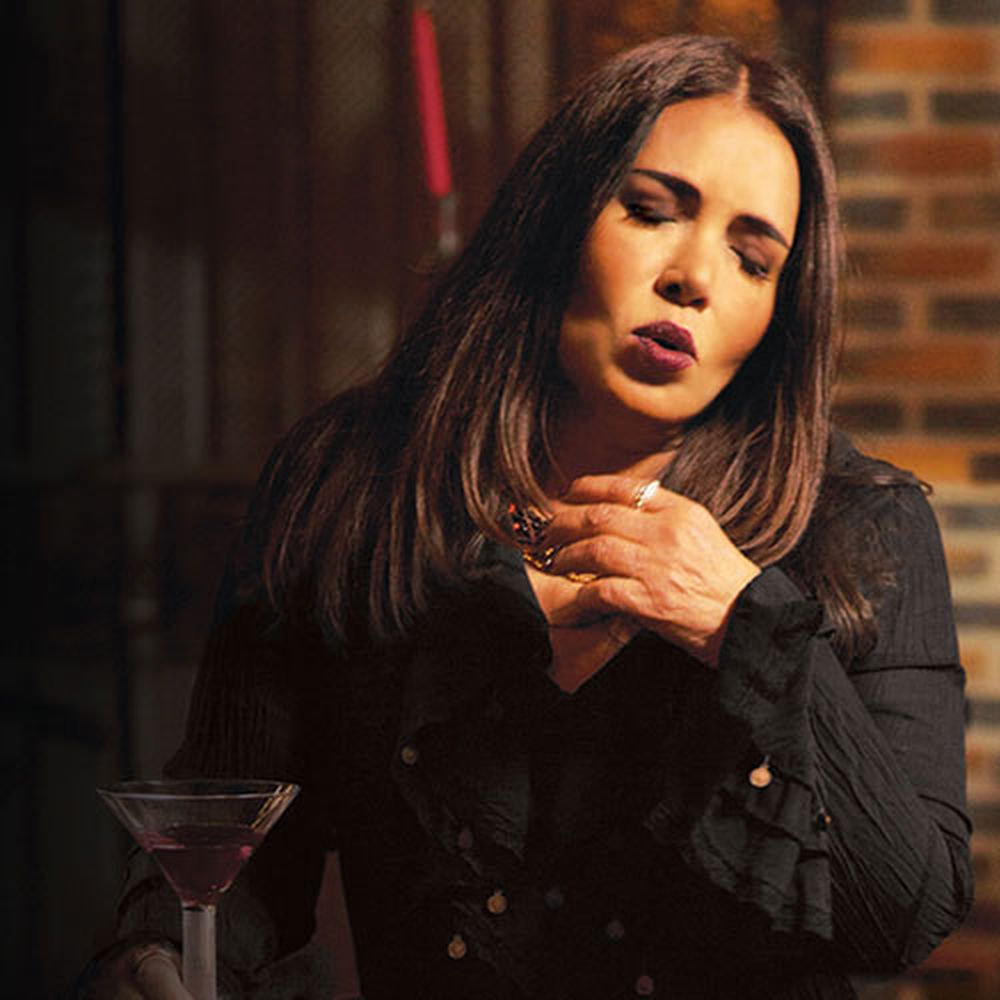
Tania Libertad is a celebrated Peruvian-born Mexican singer whose vast discography spans Latin American folk, Afro-Peruvian rhythms, and bolero. Her powerful voice and commitment to social justice have made her a key figure in the nueva canción movement for over five decades. With a career encompassing more than 40 albums, she has earned critical acclaim and a loyal international following.
Early career
Born in 1952 in Zorritos, Peru, Tania Libertad began her artistic life as a child prodigy. She recorded her first single, "La Contamanina," at just eight years old and released her debut album, La Contamanina, shortly after. By her teenage years, she was a established star in her home country, performing on national television and releasing successful records like La Mejor de Todas in 1970.
Breakthrough
Libertad's career shifted continents in 1978 when she moved to Mexico, seeking greater artistic freedom. Her integration into the Mexican cultural scene was solidified with albums like Cantos de la Vida and her powerful interpretations of works by Cuban singer-songwriter Pablo Milanés. This period marked her evolution from a popular Peruvian vocalist to a pan-Latin American artist with a profound social conscience.
Key tracks
María Landó — This definitive version of the Chabuca Granda classic became an anthem of Afro-Peruvian identity and a staple of her live performances.
Como una Campana — A standout track from her 1994 album Como una Campana, it showcases her masterful command of the bolero genre.
Coplas del Faraón — A collaboration with Mexican rock band Santa Sabina, blending her folk roots with alternative rock sounds.
La Flor de la Canela — Her interpretation of this iconic Peruvian waltz by Chabuca Granda pays deep homage to her musical heritage.
Gracias a la Vida — Libertad's rendition of the Violeta Parra masterpiece connects her directly to the heart of the Latin American protest song tradition.
Her artistic collaborations are extensive, including work with legends like Cuba's Compay Segundo, Portugal's fado singer Mariza, and fellow Mexican vocalist Lila Downs. Albums like La Libertad (1997) and Negra Flor (2002) received widespread distribution through labels like Warner Music, cementing her status. In 2003, she was honored with the Légion d'Honneur from the French government for her cultural contributions.
For fans of Tania Libertad's blend of folk and social commentary, explore similar artists featured on our site. Mercedes Sosa shared her deep commitment to the nueva canción cause. Lila Downs continues a similar path of exploring indigenous Mexican and Latin American roots music. Chabuca Granda is the seminal Peruvian composer whose work Libertad frequently interprets. Eugenia León represents another powerful voice in the Mexican songbook with a versatile and socially engaged repertoire.Tania Libertad's music holds a regular place in the rotation of our dedicated Latin folk and world music radio stations. Listeners tuning into our online streams for acoustic singer-songwriter content or curated Latin American cultural programs will frequently encounter her timeless recordings.
You can hear the powerful music of Tania Libertad on the radio stations featured here on onairium.com. Tune in to discover her rich catalog of Latin American folk, bolero, and protest songs through our continuous global music streams.