
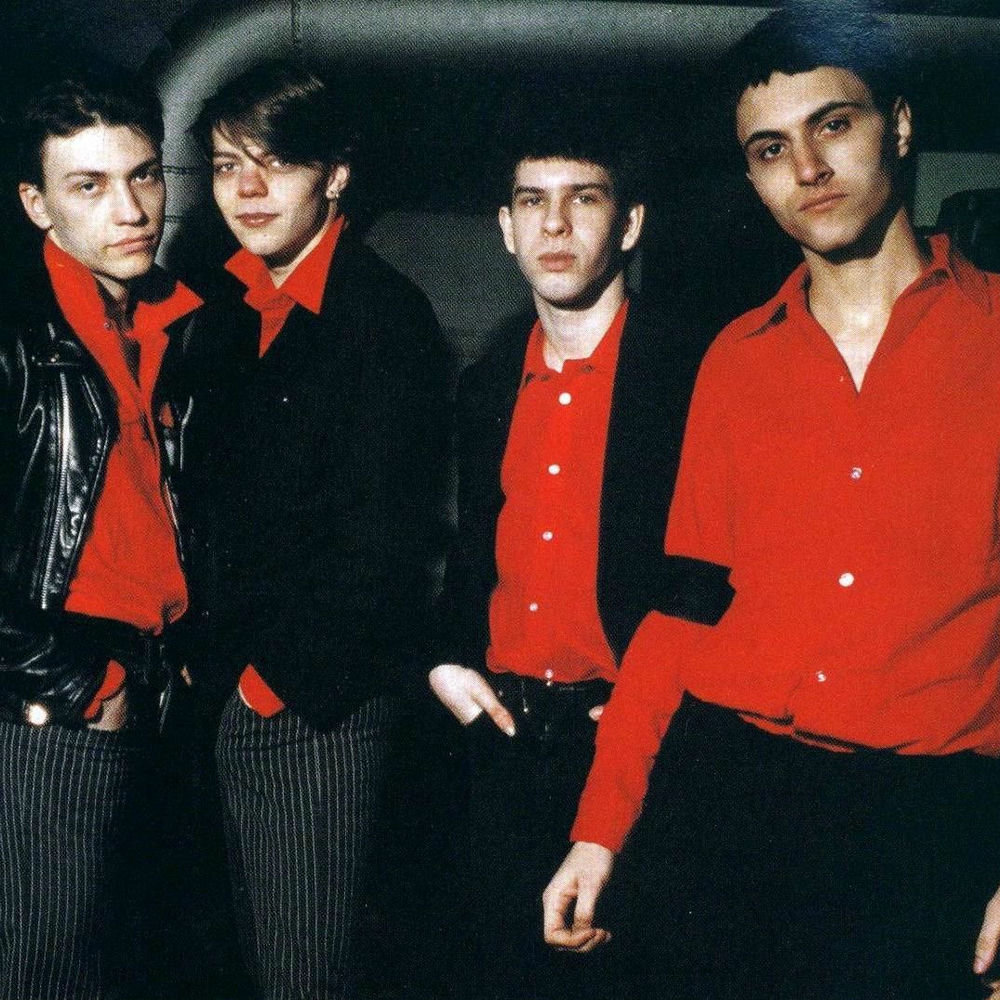

Taxi Girl: Pioneers of French Coldwave and Synth-Pop
Taxi Girl was a seminal French electronic rock band that emerged from the Parisian post-punk scene of the late 1970s. The group, led by vocalist and lyricist Daniel Darc, is best remembered for their influential 1982 album Seppuku and their pioneering fusion of melancholic melodies with driving synthesizers and drum machines.
Early career
Formed in Paris in 1978, Taxi Girl was founded by vocalist Daniel Darc, keyboardist Mirwais Stass, and drummer Pierre Wolfsohn. The band quickly became a fixture in the city's underground clubs, developing a stark, electronic sound that contrasted with the guitar-dominated rock of the era. Their first significant release was the 1980 EP Mannequin on the independent label Bondage Records, which established their coldwave aesthetic.
Breakthrough
The band's major breakthrough arrived in 1981 with the single Cherchez le garçon. Its infectious bassline and detached vocal delivery became an underground anthem, leading to a major label contract with Polydor. This success paved the way for their debut album, Seppuku, released in 1982, which achieved critical acclaim and solid sales, cementing their status as innovators.
Key tracks
Cherchez le garçon — This 1981 single was the band's commercial breakthrough and remains their most recognizable song.
Paris — A brooding album track from Seppuku that perfectly encapsulates the band's atmospheric and cinematic style.
Deuxième — A later single showcasing a more polished, synth-pop oriented direction from their final album.
Mannequin — Their early EP title track that defined their initial coldwave sound and cult following.
Following Seppuku, Taxi Girl released a second album, Panthéon charnel, in 1984, which featured a more expansive production. Internal tensions and shifting musical trends led to the band's dissolution in 1986. Daniel Darc embarked on a notable solo career, while Mirwais Stass later gained international recognition as a producer for Madonna on her albums Music and American Life.
Fans of Taxi Girl's moody synth-driven sound should also explore Ruth, another French coldwave act with a minimalist electronic approach. The theatricality of Indochine shares some of Taxi Girl's romantic French new wave sensibility. For the electronic rock fusion, listen to Téléphone, though their sound is more guitar-centric. The later work of Mathématiques Modernes also explores similar icy electronic pop territories.
Taxi Girl's music maintains a steady presence on dedicated alternative rock radio stations and online radio streams specializing in post-punk and 80s revival formats. Their tracks are frequently featured in programming blocks dedicated to synth-pop and coldwave genres, introducing their sound to new generations of listeners.
You can hear the influential music of Taxi Girl on radio stations featured on our website. Listeners can discover or revisit the band's essential tracks through the curated playlists of independent music radio stations available on onairium.com.