

The Gibson Brothers: Disco and Funk Pioneers from France
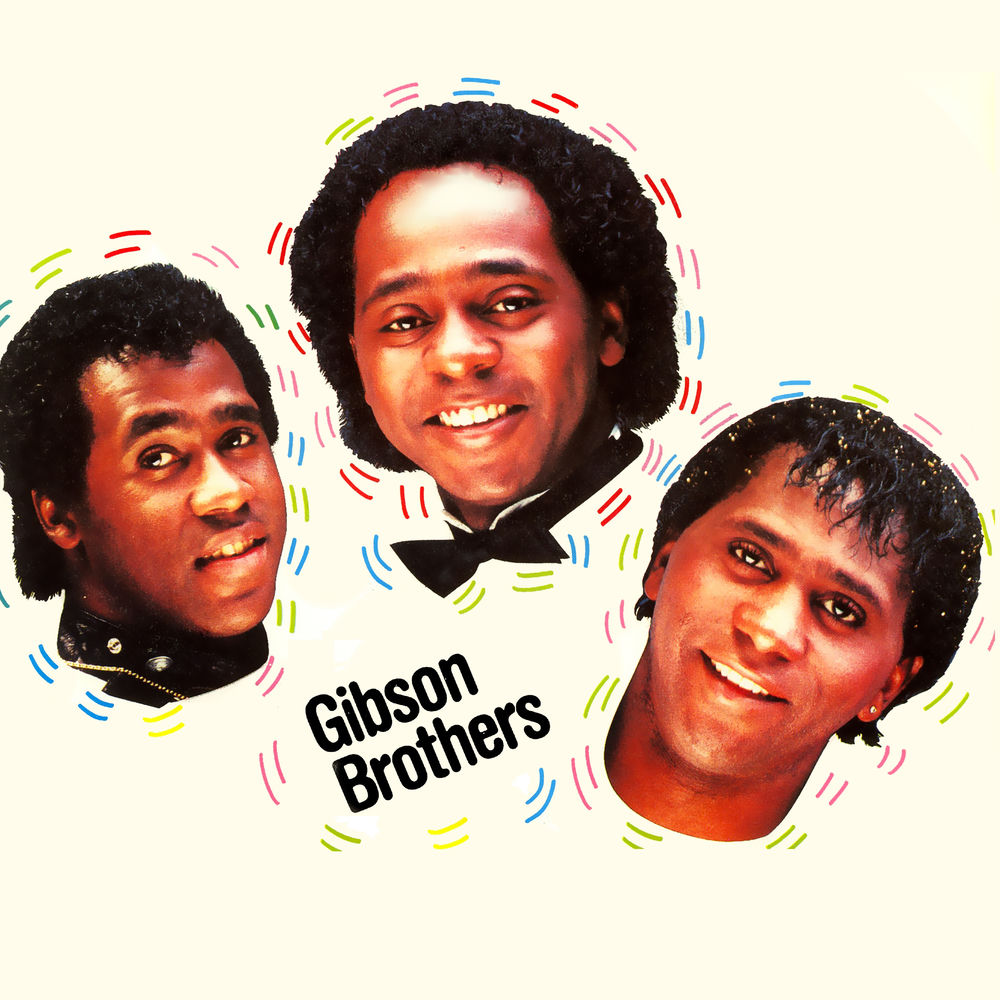
The Gibson Brothers are a French Caribbean disco and funk group best known for their international chart success in the late 1970s and early 1980s. Hailing from Martinique, the trio of brothers achieved global fame with their infectious rhythms, particularly with the platinum-selling single "Cuba" which became a dance floor anthem across continents.
Early career
Formed in the mid-1970s by brothers Chris, Patrick, and Alex Francfort, The Gibson Brothers began their musical journey in Paris. Their early sound was a vibrant fusion of their Caribbean roots with the burgeoning disco scene, leading to their first record deal with the French label Carrere in 1976.
Their debut album, "On the Riviera," was released in 1977 and introduced their signature blend of funk guitars, pulsating basslines, and soulful vocals. This initial effort laid the groundwork for their subsequent breakthrough, capturing the attention of European dance music fans.
Breakthrough
The year 1978 marked the group's explosive international breakthrough. Their second album, "Cuba," and its title track became a worldwide phenomenon. The single soared to number one on the disco charts in multiple countries, including the United States, and achieved platinum sales status, cementing their place in dance music history.
This success was solidified by their follow-up album, "Marina," in 1979, which spawned another major hit with "Que Sera Mi Vida." Their association with producer Daniel Vangarde and the prolific Gibson songwriting team created a string of memorable tracks that dominated clubs and airwaves.
Key tracks
Cuba — This 1978 global smash is their definitive track, reaching number one on the US disco chart and selling over a million copies.
Que Sera Mi Vida — A major hit from 1979, this song showcased their ability to craft catchy, melodic disco anthems with lasting appeal.
Ooh! What a Life — This 1980 single demonstrated their evolution into a more boogie-funk sound and remains a staple on classic dance playlists.
Heaven — A later career highlight from 1984, this track illustrated their smooth transition into the synth-driven post-disco and early house music era.
Later Career and Legacy
Throughout the 1980s, The Gibson Brothers continued to release albums and tour extensively, adapting their sound to incorporate new electronic influences. They worked with various international labels and maintained a strong following in Europe and Latin America, proving their longevity beyond the initial disco boom.
Their music has been heavily sampled and covered by subsequent generations of house and dance producers, a testament to the enduring quality of their grooves. The brothers have also been involved in production and songwriting for other artists, further extending their influence within the industry.
For fans of vibrant, rhythm-driven 70s and 80s dance music, explore similar artists like Chic for their foundational funk and disco guitar work. The Euro-disco flair can also be heard in Boney M, known for their massive chart-topping singles. The Caribbean-inflected pop sensibility is shared by Kool and the Gang, especially in their joyous funk period. For the French electronic connection, listen to Daft Punk, who channeled a similar spirit of dance floor innovation decades later.
The infectious catalog of The Gibson Brothers maintains a steady rotation on dedicated disco and classic dance radio stations featured on this website. Their hits are frequently featured on specialty shows focusing on 70s and 80s dance music, as well as on general classic hits FM stations that program timeless party anthems.
Listeners can discover the timeless funk and disco of The Gibson Brothers on radio stations available on onairium.com, where their music continues to energize audiences just as it did at the height of the disco era.