


Tito Puente: The King of Latin Jazz and Mambo
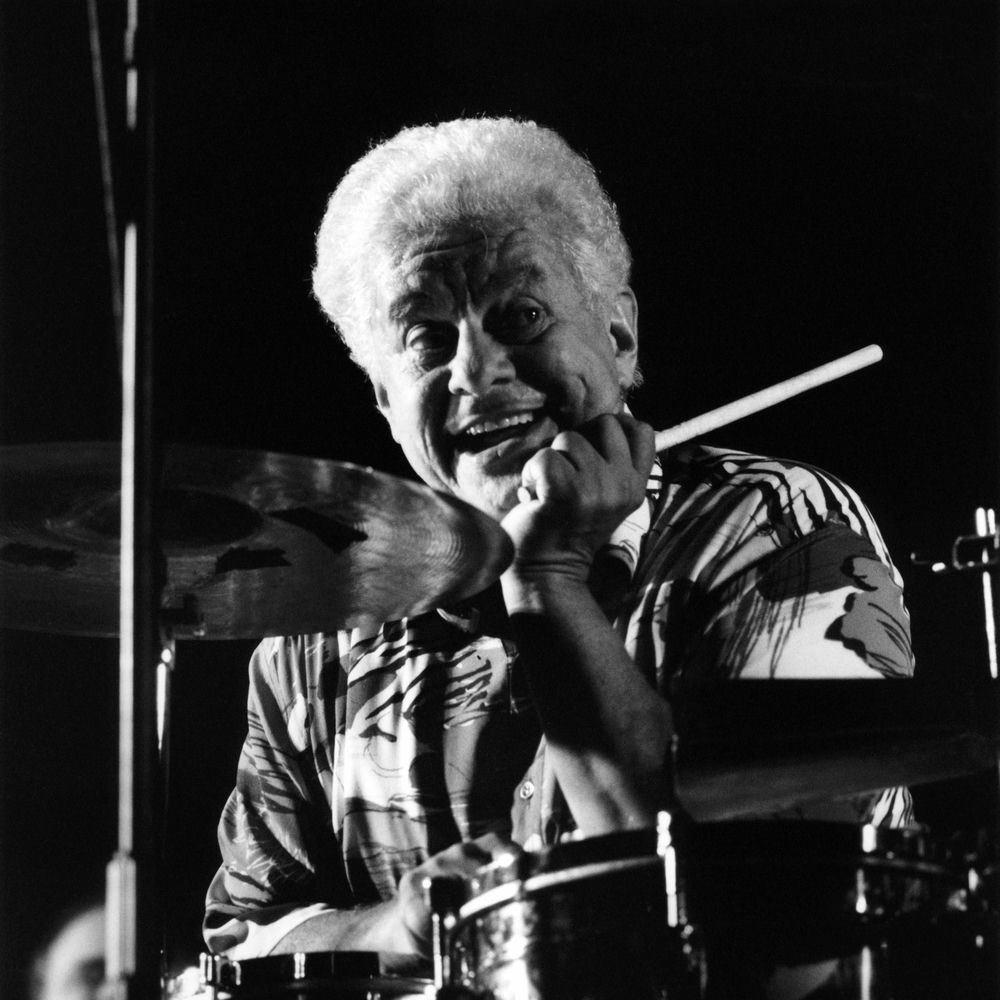
Tito Puente was an American percussionist, bandleader, and composer who became a global ambassador for Latin music. Born in New York City to Puerto Rican parents, his prolific career spanned over five decades and produced more than 100 albums, earning him five Grammy Awards and solidifying his status as a foundational figure in salsa and Latin jazz.
Early career
Ernest Anthony Puente Jr. was born in 1923 in New York's Spanish Harlem. He began his musical training on piano before switching to drums and later mastering the timbales. After serving in the Navy during World War II, he used the G.I. Bill to study at the Juilliard School, where he refined his knowledge of orchestration and composition.
In the late 1940s, he formed the Tito Puente Orchestra, a large ensemble perfectly suited for the mambo craze sweeping the nation. His early recordings for labels like Tico and RCA Victor, including the 1949 album Mambos with Puente, established his energetic, percussion-driven sound and his reputation as a dynamic live performer at venues like the Palladium Ballroom.
Breakthrough
Tito Puente's mainstream breakthrough arrived in 1958 with the release of the album Dance Mania on RCA Victor. The album became a definitive text of Latin dance music, blending complex Afro-Cuban rhythms with big band arrangements. While not achieving traditional pop chart success, Dance Mania achieved immense cultural impact and is widely considered one of the most important Latin albums ever recorded, eventually certified gold.
This success propelled him to international fame, leading to film appearances and tours across the Americas, Europe, and Asia. Throughout the 1960s, his output remained prolific, and he adeptly navigated shifting musical trends, incorporating boogaloo and later helping to define the emerging salsa genre.
Key tracks
Oye Como Va — This 1963 composition became a massive crossover hit after being covered by Santana in 1970, introducing Puente's music to the rock audience.
Para los Rumberos — A fiery showcase for his timbale virtuosity and his orchestra's power, this track remains a staple in Latin music.
Ran Kan Kan — Named for the sound of the timbales, this instrumental mambo is one of his most recognizable and enduring compositions.
El Rey del Timbal — This song's title, meaning "The King of the Timbales," became one of Puente's most fitting nicknames.
Hong Kong Mambo — A prime example from Dance Mania, it illustrates his skill at creating intricate, yet irresistibly danceable, arrangements.
Puente's later career was marked by prestigious collaborations and continued innovation. He recorded celebrated albums with jazz giants like Woody Herman, George Shearing, and James Moody. His 1985 collaboration with salsa singer Celia Cruz on the album Homenaje a Beny Moré won a Grammy, and their partnership is legendary. He continued to perform and record tirelessly until his passing in 2000, leaving behind a vast catalog that continues to inspire.
Fans of Tito Puente's vibrant sound should explore the work of similar artists featured on our site. Discover the Cuban son of Arsenio Rodriguez, a tres player who profoundly influenced Puente's rhythmic approach. The sophisticated salsa of Willie Colón carries forward the big band tradition with modern storytelling. For more fiery mambo and Latin jazz, listen to Machito, whose Afro-Cubans orchestra was a direct precursor. The vocal prowess of Celia Cruz, Puente's frequent collaborator, defines the golden age of salsa.
The music of Tito Puente maintains a constant presence on radio stations dedicated to Latin jazz, classic salsa, and world music formats. His timeless recordings are fixtures on both terrestrial stations and specialized online streams that celebrate the history of Afro-Caribbean rhythms and jazz fusion, ensuring new generations discover his work.
Listeners can experience the enduring legacy of Tito Puente, the King of Latin Jazz, by tuning into the radio stations available on onairium.com. His iconic mambos and salsa anthems are regularly featured, offering a direct connection to the energy and sophistication of his monumental career.