Woody Herman: The Bandleader Who Defined Swing and Beyond
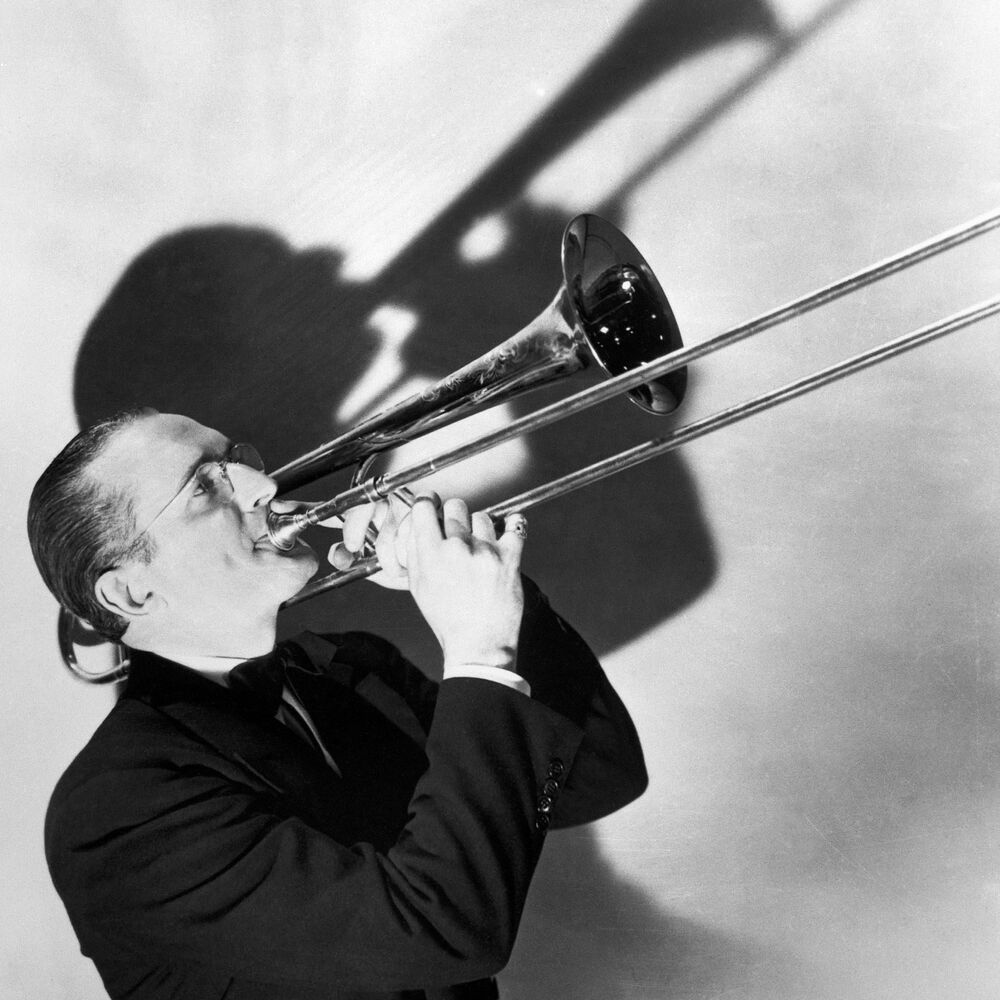
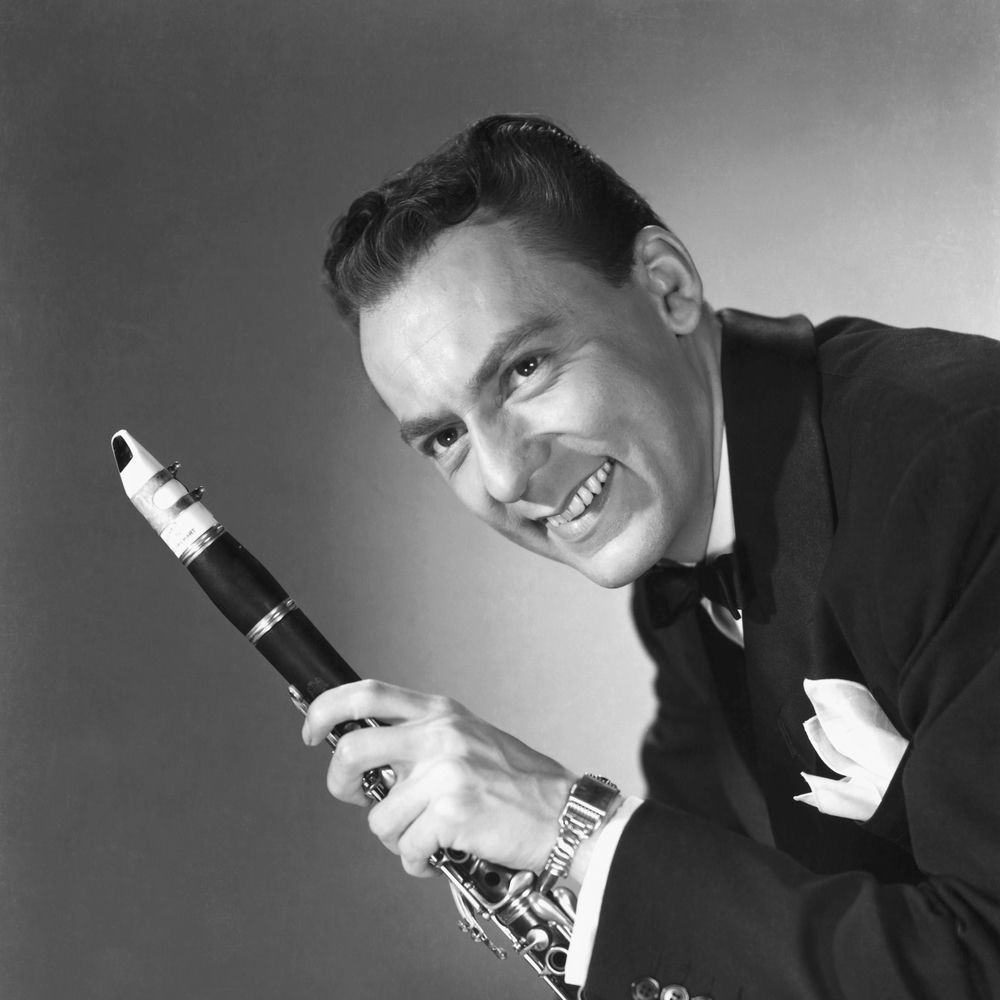
Woody Herman was an American clarinetist, saxophonist, singer, and most importantly, a visionary big band leader whose career spanned five decades. From Milwaukee, Wisconsin, he led a series of acclaimed ensembles known as the "Herds," achieving major commercial success with hits like "Woodchoppers' Ball" and earning multiple Grammy nominations for his adventurous later work.
Early career
Born Woodrow Charles Herman in 1913, he was a child vaudeville performer known as "The Boy Wonder of the Clarinet." He gained early professional experience as a sideman in bands led by Tom Gerun, Harry Sosnik, and Gus Arnheim before joining the influential Isham Jones ensemble. When Jones retired in 1936, Herman took over the remaining musicians, forming his first big band, which he initially called "The Band That Plays the Blues."
Breakthrough
The band's breakthrough came in 1939 with the release of "Woodchoppers' Ball" on the Decca label. This blues-inflected instrumental became a massive, unexpected hit, selling over a million copies and establishing Herman as a major name in the swing era. The success of this record, a staple of the jukebox circuit, provided the financial stability that allowed Herman to develop his more progressive musical ideas in the years that followed.
Key tracks
Woodchoppers' Ball — This 1939 Decca recording was his first major hit, selling over a million copies and becoming an enduring swing standard.
Caledonia — A raucous 1945 number featuring Herman's shout of "What's your name?" that became a signature showstopper for his First Herd.
Four Brothers — The 1947 masterpiece showcasing the unique saxophone section sound of his Second Herd, composed by Jimmy Giuffre.
Early Autumn — A 1948 ballad that highlighted the arranging genius of Ralph Burns and launched the career of saxophonist Stan Getz.
Watermelon Man — His 1965 album "Woody's Winners" on Columbia Records featured this Herbie Hancock tune, demonstrating his embrace of contemporary jazz and funk.
Herman's various "Herds" became known as finishing schools for elite jazz talent. His First Herd (1944-1946) was a powerful, bluesy ensemble featuring trumpeter Sonny Berman. The revolutionary Second Herd (1947-1949), known as the "Four Brothers" band, boasted a cool, saxophone-driven sound with soloists like Stan Getz and Zoot Sims. Throughout the 1950s and 60s, he consistently integrated new trends, from bebop to rock-influenced fusion, recording for labels like Verve, Capitol, and Fantasy.
His later career was marked by artistic recognition, including Grammy Awards for "Children of Lima" (1973) and "Woody Herman Presents a Concord Jam, Vol. 1" (1974). He maintained a relentless touring schedule with his Young Thundering Herd into the 1980s. Woody Herman's final recording was "50th Anniversary Tour" in 1986, a testament to his enduring vitality before his passing in 1987.
Fans of Woody Herman's dynamic big band sound often appreciate the work of similar American bandleaders. Count Basie shared a deep commitment to swing and blues-based orchestral jazz. Stan Kenton similarly pushed the big band format into progressive and adventurous territories. Maynard Ferguson led high-energy bands that, like Herman's, featured young talent and contemporary repertoire. Buddy Rich commanded another technically brilliant and explosively swinging orchestra from the drummer's seat.
Woody Herman's catalog remains a fixture on radio stations dedicated to classic jazz and big band sounds. His music is regularly featured on swing era programs, historical jazz showcases, and specialty shows focusing on orchestral jazz excellence across numerous online radio streams and traditional FM stations.
Listeners can explore the energetic world of Woody Herman and his legendary Herds through the jazz and big band radio stations featured on onairium.com. Tune in to hear the timeless swing of "Woodchoppers' Ball" or the cool innovation of "Four Brothers" on dedicated stations broadcasting this essential chapter in American music history.