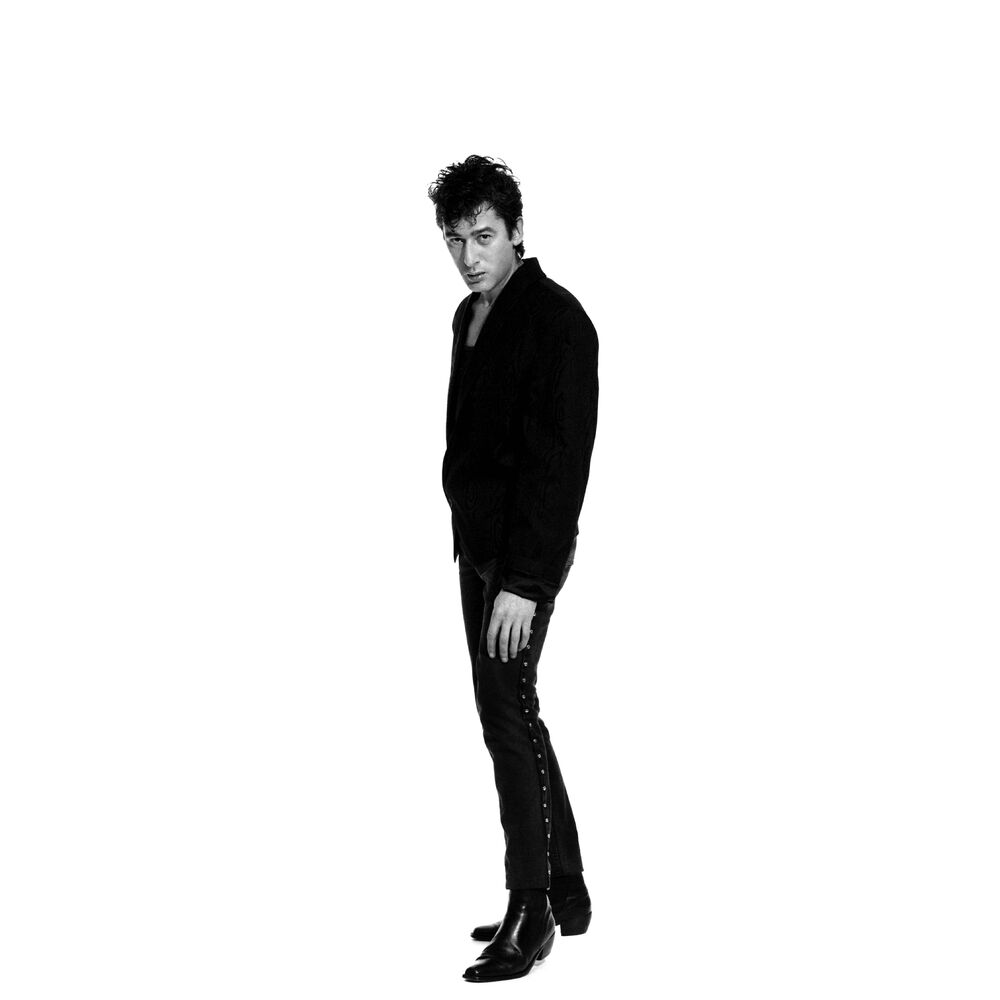

Yann Tiersen
 France
Listen Yann Tiersen on radio stations:

Yann Tiersen: The Neoclassical Virtuoso and Film Score Architect
Yann Tiersen is a French composer and multi-instrumentalist best known for his evocative, minimalist soundscapes that blend classical, folk, and post-rock. His international breakthrough came with the soundtrack to the 2001 film Amélie, which sold millions of copies worldwide and introduced his accordion and piano-driven music to a global audience.
Early career
Born in Brest in 1970, Yann Tiersen studied violin and piano at musical academies from a young age before gravitating towards punk and rock influences. His debut album, La Valse des monstres (1995), established his signature style-a delicate, instrumental world built from piano, accordion, violin, and toy instruments, released on the independent label Ici, d'ailleurs.
Breakthrough
The year 2001 marked a pivotal turn with the release of the soundtrack for Jean-Pierre Jeunet's film Amélie. The album, compiling existing tracks from his earlier works like Le Phare (1998) and new compositions, became a phenomenal success, earning diamond certifications in several countries and topping charts across Europe. This project transformed Tiersen from a cult figure in the neoclassical and post-rock scene into a household name.
Key tracks
Comptine d'un autre été: L'après-midi - This instantly recognizable piano piece became the central theme of Amélie and is arguably his most famous composition.
La Valse d'Amélie - The accordion-led waltz that perfectly encapsulates the film's whimsical, Parisian atmosphere and defined his early sound.
Porz Goret - A track from his album Le Phare that showcases his darker, more rock-oriented and complex instrumental arrangements.
Palestine - From the album L'Absente (2001), it highlights his talent for building intense, dramatic crescendos using a string ensemble.
Monochrome - A later career piece illustrating his evolution towards incorporating electronic textures and vocal collaborations into his compositions.
Following the Amélie phenomenon, Tiersen deliberately distanced himself from its sound, exploring denser rock arrangements on Les Retrouvailles (2005) and later embracing field recordings and ambient electronics. His subsequent albums, such as Eusa (2016) and All (2019), are often inspired by the landscapes of his native Brittany and the Ushant islands, reflecting a more introspective and location-specific approach to composition.
Artists with a similar blend of cinematic instrumentation and genre-fluid composition include Hauschka, who also employs prepared piano and experimental structures. Ólafur Arnalds shares Tiersen's gift for merging classical minimalism with modern electronic production. The introspective piano work of Ludovico Einaudi appeals to a similar audience, while the post-rock grandeur of Godspeed You! Black Emperor echoes the more expansive, dramatic sides of Tiersen's catalog.
Yann Tiersen's distinctive catalog is a staple on modern classical and eclectic alternative radio stations, where his compositions provide a sophisticated and emotive soundtrack. His music fits seamlessly into programming that values instrumental storytelling and cross-genre innovation, from dedicated neoclassical streams to broader alternative formats.
The music of Yann Tiersen, from his iconic film themes to his later ambient explorations, can be heard on the radio stations featured here. Listeners can discover his evolving discography through the curated stations available on onairium.com.