
Al Haig: The Bebop Piano Virtuoso
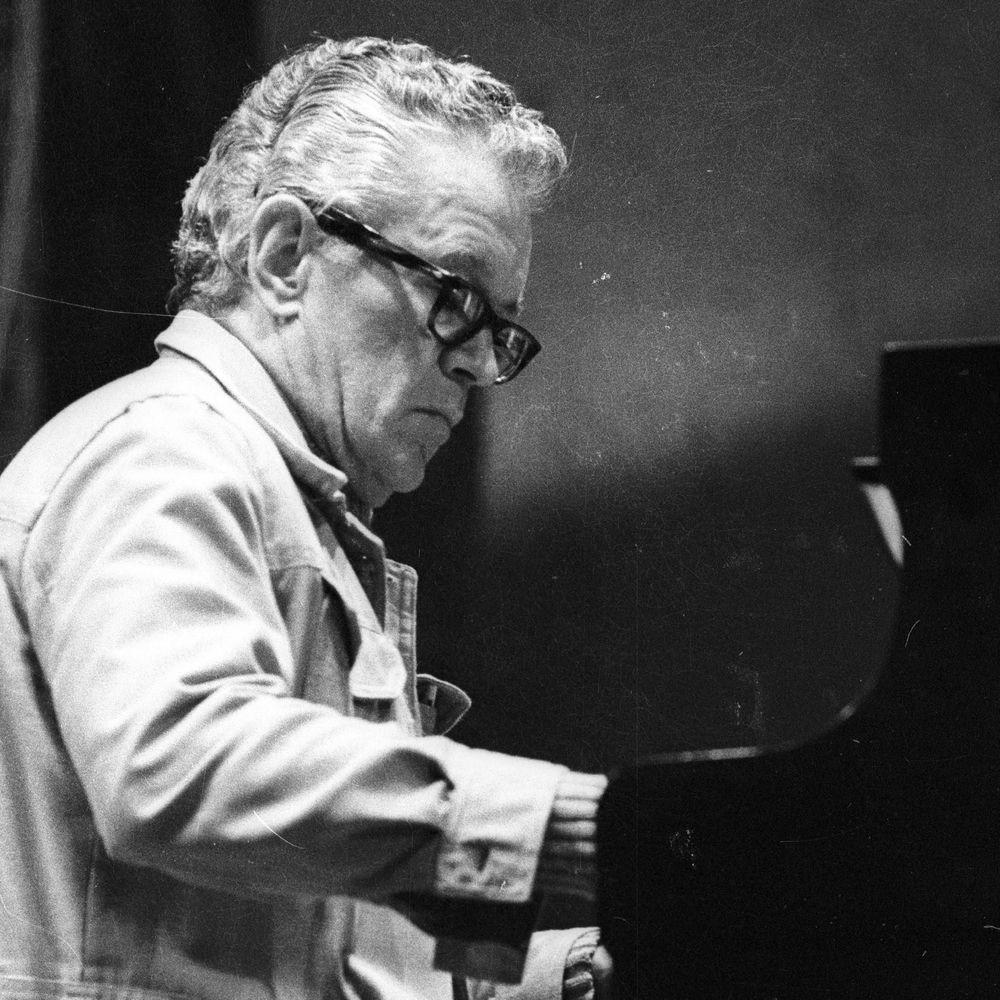
Al Haig was an American jazz pianist celebrated for his pivotal role in the development of bebop. His precise, flowing lines and harmonic sophistication made him the accompanist of choice for legends like Charlie Parker and Dizzy Gillespie during the genre's formative years.
Early career
Born in Newark, New Jersey in 1924, Alan Warren Haig began his professional journey after serving in the U.S. Navy during World War II. He quickly immersed himself in the New York jazz scene, playing with saxophonist Stan Getz and making his first recordings under the leadership of guitarist Jimmy Raney for the Prestige label in the late 1940s.
Breakthrough
Al Haig's breakthrough came as a central figure in the bebop revolution of the mid-1940s. He was a key member of both Charlie Parker's quintet and Dizzy Gillespie's groups, appearing on seminal recordings like Parker's 1945 session for the Savoy label that included the classic "Billie's Bounce" and "Now's the Time".
Key tracks
Anthropology — This Dizzy Gillespie composition, recorded with Charlie Parker in 1946, showcases Haig's ability to navigate complex bebop changes at blistering tempos.
Yardbird Suite — Haig's comping and solo on this 1946 Charlie Parker original are masterclasses in bebop piano accompaniment and invention.
I'll Remember April — His 1954 trio recording for the Spotlite label demonstrates his lyrical side and mature approach to the standard repertoire.
Stella by Starlight — From the 1954 album "Al Haig Today!", this track highlights his elegant touch and advanced harmonic vocabulary in a trio setting.
Following the initial bebop era, Al Haig's career experienced periods of lower profile, but he enjoyed a significant resurgence in the 1970s. He recorded a series of acclaimed albums for European and Japanese labels like Spotlite, Choice, and Sea Breeze, often in trio formats or with saxophonist Lee Konitz. His later work, including the 1974 album "Invitation", reaffirmed his status as a bebop master with a refined and timeless style.
For fans of Al Haig's intricate and driving piano style, similar artists featured on our site include Bud Powell, another foundational bebop pianist known for his virtuosic right-hand lines. Hank Jones offers a similarly refined touch and harmonic grace within the jazz idiom. Tommy Flanagan carries forward the tradition of impeccable bebop accompaniment and soloing. Barry Harris dedicated his career to preserving and teaching the bebop language Haig helped create.
RADIO ROTATION
The music of Al Haig remains a staple on dedicated jazz radio stations and online jazz streams. His recordings from the bebop heyday are featured on classic jazz FM stations, while his later trio work finds a home on independent music radio stations focusing on instrumental artistry.
Listeners can explore the sophisticated artistry of Al Haig through the jazz radio stations available on onairium.com. Tune in to hear his essential contributions to bebop and classic jazz piano featured regularly across our curated network of stations.