Blood, Sweat & Tears: Pioneers of Jazz Rock Fusion
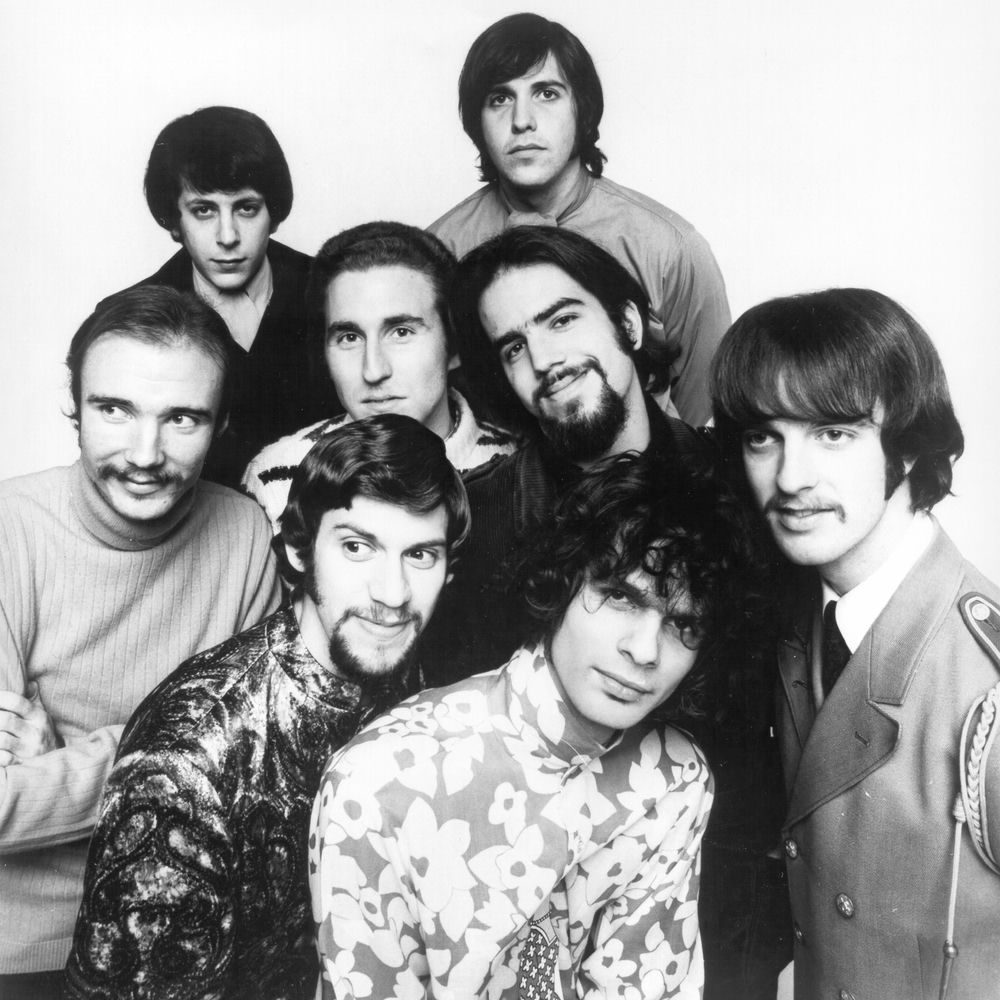
Blood, Sweat & Tears is an American band renowned for its innovative fusion of rock, jazz, and soul. Formed in New York City in 1967, the group achieved major commercial success with their self-titled second album, which topped the Billboard 200 chart and won the Grammy Award for Album of the Year in 1970.
Early career
The band was founded by musician Al Kooper, who sought to create a rock band with a full horn section. This original lineup, featuring a blend of rock instrumentalists and jazz-trained horn players, recorded the 1968 album Child Is Father to the Man on Columbia Records.
Breakthrough
The band's breakthrough came after a major lineup change, with David Clayton-Thomas becoming the lead vocalist. Their 1969 album Blood, Sweat & Tears was a massive hit, spawning several successful singles and earning multi-platinum certification for sales exceeding four million copies in the United States.
Key tracks
Spinning Wheel - This Grammy-winning single reached No. 2 on the Billboard Hot 100 and became the group's signature song.
You've Made Me So Very Happy - A cover of the Brenda Holloway song, it peaked at No. 2 on the charts and showcased their soulful pop side.
And When I Die - Another top 5 hit, this Laura Nyro composition further cemented their commercial peak.
God Bless the Child - Their jazz-rock interpretation of the Billie Holiday classic demonstrated their sophisticated musical ambitions.
The band's success continued with the 1970 album Blood, Sweat & Tears 3, which also achieved platinum status. Despite numerous personnel changes over the decades, including the departures and returns of key members like Clayton-Thomas, the band's legacy in blending genres remained influential. Their early 1970s work included collaborations with artists like Brazilian composer Milton Nascimento.
For fans of the pioneering jazz-rock sound of Blood, Sweat & Tears, similar artists include Chicago, who also expertly blended rock with a prominent horn section. The Doors explored a different, darker form of psychedelic rock from the same era. The ambitious orchestral rock of The Moody Blues offers another parallel in scope. Listeners may also appreciate the soulful rock and complex arrangements of Steely Dan.
The music of Blood, Sweat & Tears remains a staple on classic rock and jazz-rock radio stations, where their sophisticated hits continue to receive regular airplay. Their unique sound is featured on various online radio streams dedicated to classic album-oriented rock and genre-blending music from the late 1960s and 1970s.
You can discover the influential music of Blood, Sweat & Tears on the radio stations featured here on onairium.com, where their groundbreaking fusion of styles continues to be celebrated.