

Carlos Gardel: The Immortal Voice of Tango
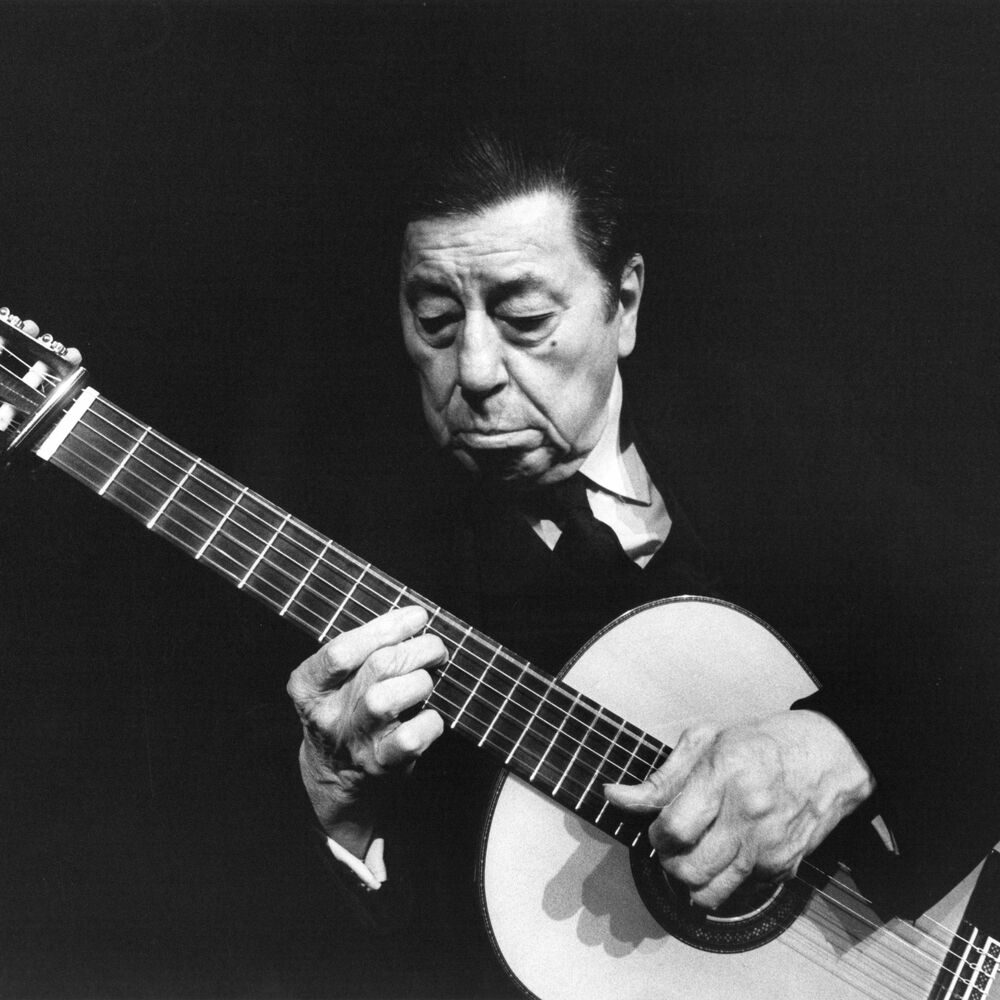
Carlos Gardel is the foundational figure of Argentine tango, whose recordings and films defined the genre for a global audience. Born in France but raised in Buenos Aires, his prolific career in the 1920s and 1930s sold tens of millions of records, cementing his status as a cultural icon throughout Latin America and beyond.
Early career
Gardel was born in Toulouse, France, in 1890 and arrived in Buenos Aires as a young child. He began performing in cafes and at private parties, initially as part of a folk-singing duo with José Razzano. His early recordings for the Columbia and Nacional-Odeon labels in the 1910s captured his transition from folk styles to the emerging urban tango canción, or tango song.
Breakthrough
Gardel's true breakthrough came with the 1917 recording of "Mi noche triste," which popularized the tango canción format. His signing to the Odeon label in the 1920s launched an era of massive commercial success, with his records achieving gold-level sales across South America and Europe. His sophisticated image and emotive baritone voice transformed tango from a dance-hall rhythm into a vehicle for poignant storytelling.
Key tracks
Mi noche triste — This 1917 recording is widely considered the first major tango canción, establishing the genre's lyrical and musical template.
El día que me quieras — A masterpiece from his film career, this 1935 song showcases Gardel's romantic elegance and remains a standard.
Volver — This 1935 classic embodies the nostalgic spirit of tango and is one of his most covered and recognizable works.
Caminito — A beloved folk-infused tune that highlights Gardel's versatility and deep connection with Argentine popular sentiment.
Por una cabeza — His 1935 tango, famously used in films, demonstrates his impeccable rhythmic phrasing and international appeal.
Gardel's star power soared with the advent of sound film, leading to a successful movie career in Paris and New York for Paramount. His collaborations with lyricist Alfredo Le Pera produced a string of enduring hits featured in these films. Tragically, his career and life were cut short in a 1935 airplane crash in Medellín, Colombia, an event that shocked the Spanish-speaking world and solidified his legendary, almost mythical status.
Artists who carried the torch of classic tango vocal tradition include Libertad Lamarque, a contemporary and film co-star known for her powerful dramatic delivery. Roberto Goyeneche, a later singer, refined Gardel's phrasing with a unique, jazz-influenced style. For the instrumental side of the genre, explore Astor Piazzolla, who revolutionized tango by infusing it with complex jazz and classical structures decades later.
The music of Carlos Gardel remains a staple on classic international radio stations, particularly those dedicated to Latin American heritage and vintage pop. Listeners can regularly hear his timeless recordings on specialized tango programs and curated historical music streams featured across our network.
You can experience the enduring legacy of Carlos Gardel and the sound of Argentine tango by tuning into the dedicated radio stations available on onairium.com. Discover the depth of his catalog and the genre he defined through our continuous global radio rotation.