

Curved Air: Pioneers of Progressive and Art Rock
Curved Air is a pioneering British band that masterfully blended progressive rock, classical music, and electronic sounds. Formed in London in 1970, the group achieved notable commercial success with their debut album Air Conditioning, which became one of the first commercially available picture disc LPs in the UK.
Early career
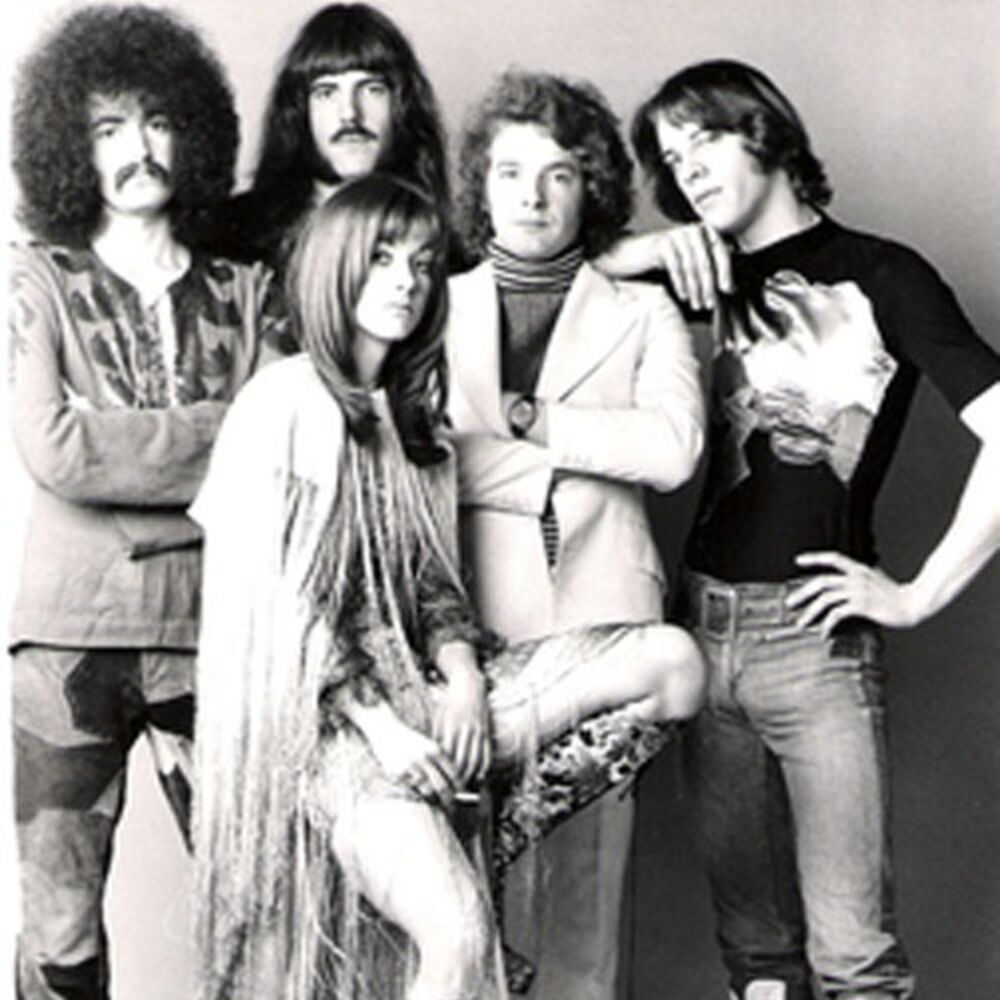
The band coalesced from the members of the short-lived group Sisyphus, with a lineup featuring violinist Darryl Way, keyboardist Francis Monkman, drummer Florian Pilkington-Miksa, bassist Rob Martin, and the distinctive vocalist Sonja Kristina. Their name was taken from Terry Riley's album A Rainbow in Curved Air, signaling their avant-garde ambitions. They were quickly signed to the Warner Bros. label, setting the stage for their innovative debut.
Breakthrough
The band's 1970 debut album, Air Conditioning, broke into the UK Albums Chart, peaking at number 8. This early success was propelled by their unique fusion of rock instrumentation with classical violin and Moog synthesizers, a sound that captivated the burgeoning progressive rock scene. The album's chart performance established Curved Air as a serious and inventive new force in British rock.
Key tracks
It Happened Today — This dynamic track from the debut album showcases the band's dramatic shifts between acoustic folk and intense progressive rock.
Vivaldi — A powerful instrumental that directly reinterprets the Baroque composer's work, highlighting Darryl Way's virtuosic violin and the band's classical roots.
Back Street Luv — Released in 1971, this single became the band's biggest hit, reaching number 4 on the UK Singles Chart and broadening their audience.
Marie Antoinette — A sprawling, epic track from their second album Second Album that exemplifies their complex, narrative-driven songwriting.
Young Mother — Another standout from their early period, featuring Sonja Kristina's evocative vocals and the band's intricate musical interplay.
The band's lineup proved volatile, with significant changes occurring after each of their first three albums. Key member Francis Monkman departed after 1972's Phantasmagoria, an album that continued their chart presence by reaching number 20. Despite the shifts, Curved Air released the album Air Cut in 1973 with a largely new lineup, including guitarist Eddie Jobson, before an initial split in 1974.
Curved Air reformed periodically in the following decades, with Kristina and Way often at the helm. They released new studio albums including North Star in 2014, demonstrating a lasting creative drive. Their influence endures, as they are consistently cited for integrating electronic synthesizers and classical motifs into a rock framework long before it became commonplace.
Fans of Curved Air's inventive blend of styles also enjoy the work of similar artists like Yes, who share a passion for complex musical structures and virtuosic performance. Renaissance also merges classical themes with progressive rock, often featuring prominent female vocals. The early work of The Nice, with its classical rock fusions, provides a clear precursor to Curved Air's sound. Lastly, King Crimson operated in the same innovative and experimental sphere of early 1970s British progressive rock.
The pioneering music of Curved Air maintains a steady presence on classic rock FM stations and dedicated progressive rock radio streams. Their signature tracks are regularly featured in programming blocks celebrating the art rock and proto-progressive movements of the early 1970s, introducing their sound to new generations of listeners.
You can explore the innovative catalog of Curved Air by tuning into the classic rock and progressive radio stations featured on our website. Listeners can discover the band's influential sound through the curated playlists of radio stations available on onairium.com.
