

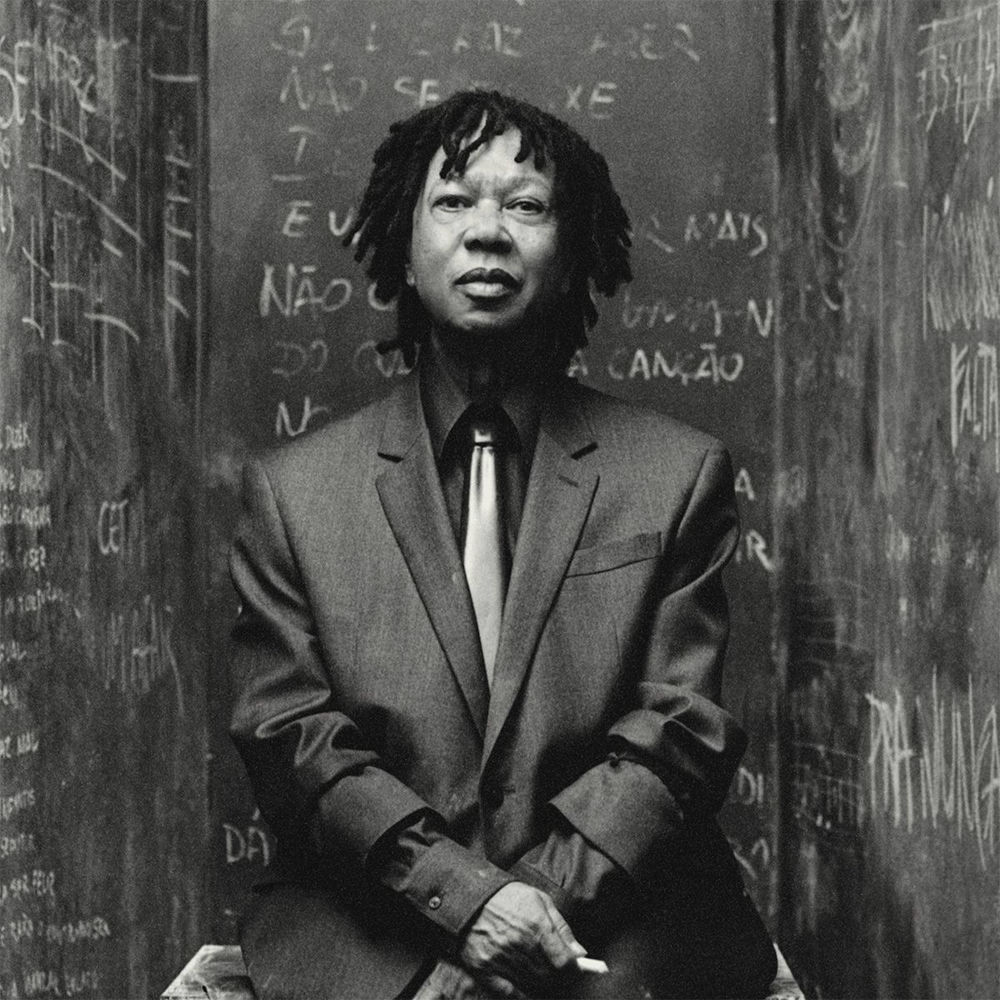
Djavan
Listen Djavan on radio stations:









Djavan: The Sophisticated Voice of Brazilian Popular Music
Djavan is a highly influential Brazilian singer, songwriter, and guitarist known for his sophisticated blend of MPB (Música Popular Brasileira), samba, jazz, and pop. Hailing from Maceió, Alagoas, his career is distinguished by a consistent output of critically acclaimed albums and a lasting impact on multiple generations of musicians in Brazil and beyond.
Early career
Born Djavan Caetano Viana in 1949, his musical journey began in the northeastern city of Maceió. He moved to Rio de Janeiro in the early 1970s to pursue music professionally, initially performing in nightclubs and gradually building a reputation for his unique compositional style and smooth vocal delivery.
Breakthrough
Djavan's self-titled debut album was released in 1976, immediately establishing his distinctive sound. His breakthrough to wider national recognition came with his second album, 1978's Á Luz, which featured the hit Flor de Lis. The album's success solidified his place in the MPB landscape, showcasing his ability to craft poetic lyrics over complex, melody-driven arrangements.
Key tracks
Flor de Lis - This song from the 1978 album Á Luz remains one of his most beloved and recognizable early hits.
Samurai - A standout track known for its intricate guitar work and jazz-inflected harmonies, highlighting his technical skill as an instrumentalist.
Se... - A romantic ballad that exemplifies his talent for weaving poetic Portuguese lyrics with accessible, beautiful melodies.
Meu Bem Querer - This song further cemented his reputation as a masterful songwriter within the MPB genre.
Seduzir - A later career hit that demonstrates the enduring appeal and evolution of his signature sound.
Throughout the 1980s and 1990s, Djavan released a series of successful albums like Luz (1982), Meu Lado (1986), and Djavan (1998), often collaborating with renowned Brazilian and international musicians. His music, characterized by its melodic richness and lyrical depth, has been covered by numerous artists across genres, from Brazilian icons like Gal Costa to international stars such as Al Jarreau.
Artists with a similar sophisticated approach to Brazilian songwriting include Caetano Veloso, who shares a foundational role in MPB and tropicalia. Gilberto Gil is another key figure from the same generation, blending Brazilian rhythms with global influences. For a smoother, jazz-oriented style within Brazilian music, listeners often explore Ivan Lins.
Djavan's extensive catalog of melodic and rhythmically sophisticated music makes his work a staple on Brazilian music radio formats, from classic MPB stations to contemporary Brazilian pop channels. His songs are frequently featured in programming dedicated to showcasing the depth and diversity of Brazil's musical heritage.
The music of Djavan is available to hear on radio stations featured within our network. Listeners can explore his influential career through the Brazilian and international music stations available on onairium.com.
