

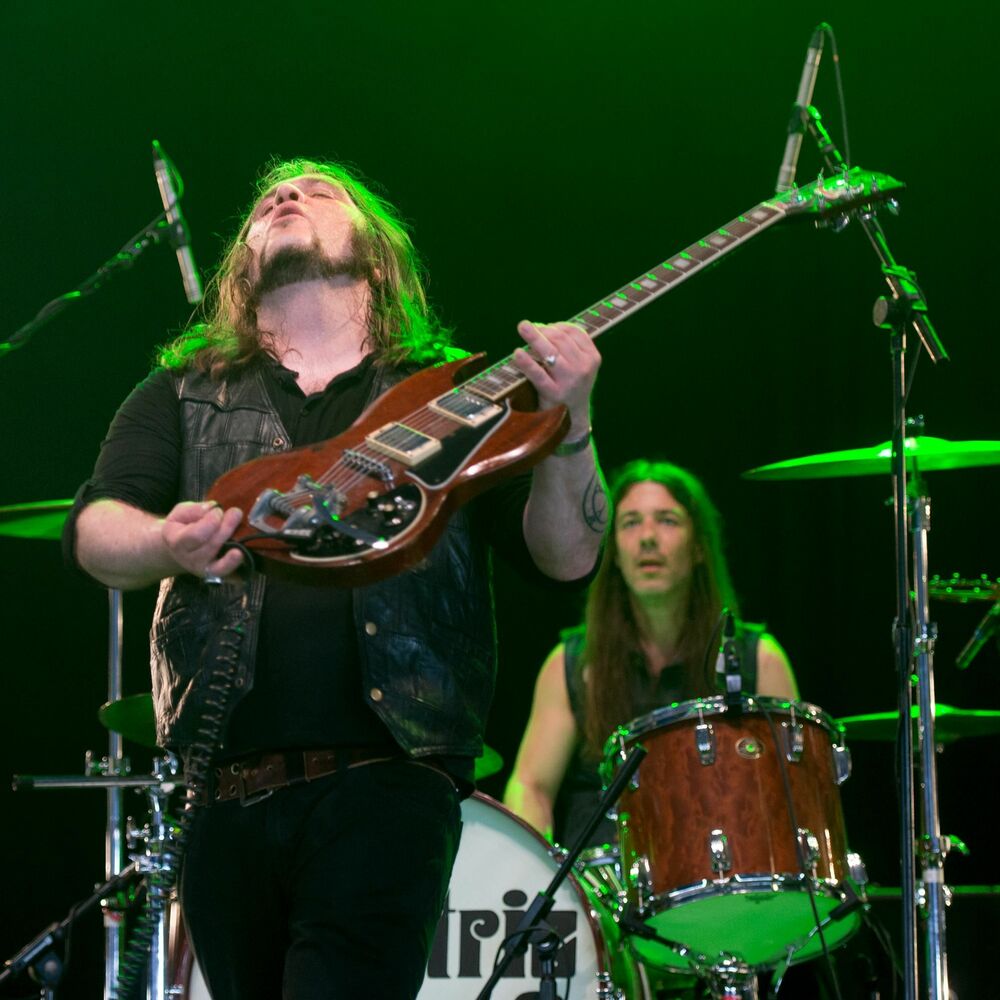
Electric Wizard
Listen Electric Wizard on radio stations:
Electric Wizard: The Architects of Modern Doom Metal
Electric Wizard is a British doom metal band formed in Dorset, England, in 1993. The band is widely regarded as one of the most influential acts in the doom and stoner metal genres, crafting a signature sound built upon massively downtuned guitars, hypnotically slow tempos, and themes of occult horror, psychedelia, and societal nihilism.
Early career
Electric Wizard was founded by guitarist and vocalist Jus Oborn in the early 1990s, following the dissolution of his previous band, Lord of Putrefaction. The initial lineup, including bassist Tim Bagshaw and drummer Mark Greening, solidified in Dorset, a location whose rural isolation and history seemed to permeate their murky sound. Their self-titled debut album, "Electric Wizard," was released in 1995 on the label Rise Above Records, immediately establishing their commitment to ultra-heavy, Sabbathian riffage and a distinct, lo-fi production aesthetic.
Breakthrough
The band's breakthrough arrived with their third studio album, "Dopethrone," released in the year 2000. This album became a landmark release in heavy music, defining the modern interpretation of doom metal with its oppressive atmosphere, feedback-drenched guitars, and anthems of substance-fueled despair. While not a mainstream chart success, "Dopethrone" achieved immense cult status, its influence radiating through the underground and cementing Electric Wizard's reputation as icons of extreme heaviness.
Key tracks
Funeralopolis - This track from "Dopethrone" stands as one of the band's most definitive anthems, encapsulating their colossal, world-ending riffage and nihilistic worldview in a single, monolithic song.
Dopethrone - The title track of their seminal album is a slow, punishing descent into psychedelic oblivion, perfectly soundtracking the album's central themes.
Witchcult Today - The title track from their 2007 album marked a powerful return and refinement of their classic sound, focusing on occult themes and driving, memorable riffs.
I, the Witchfinder - An earlier track that showcases the band's foundational blend of crawling tempos, vintage horror movie samples, and sheer sonic weight.
The band's lineup has undergone several changes over the decades, with Jus Oborn remaining the sole constant creative force. Subsequent albums like "Let Us Prey," "Black Masses," and "Time to Die" have continued to explore and expand upon their signature doom metal template, each release eagerly anticipated by a dedicated global fanbase. Their work is characterized by a consistent visual and thematic aesthetic, heavily inspired by 1970s horror cinema, occult literature, and a rejection of modern societal norms.
Artists exploring similar realms of heavy, riff-centric doom and stoner metal include Sleep, whose album "Dopesmoker" shares a similar ethos of monumental, slow-moving riff worship. Orange Goblin, fellow UK contemporaries, offer a more rock-and-roll infused take on the stoner metal sound. The Australian band Windhand carries the torch for female-fronted, drone-heavy doom with a similarly hazy atmosphere. For those drawn to the more extreme, sludge-oriented side, Eyehategod provides a more chaotic and harrowing interpretation of low-tuned despair.
