Emerson, Lake & Palmer
 United Kingdom
Emerson, Lake & Palmer: The Architects of Symphonic Prog
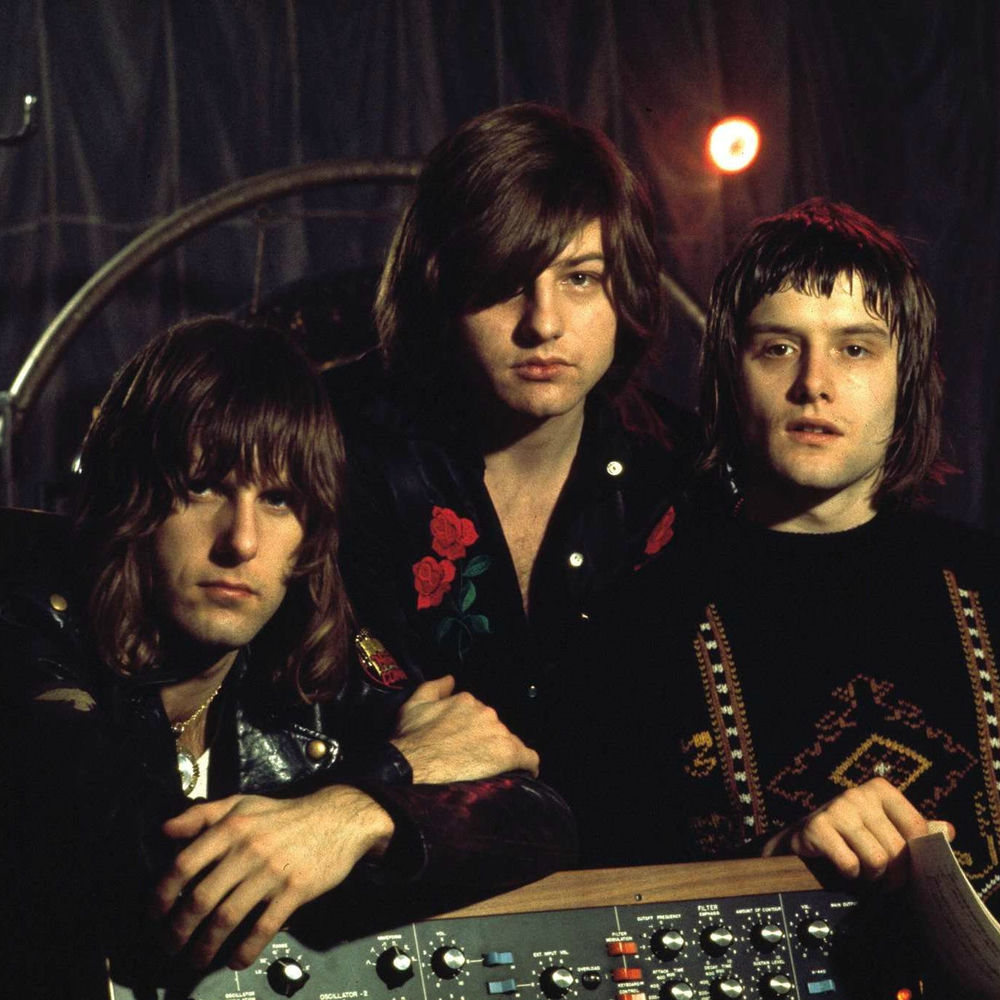
Emerson, Lake & Palmer, often abbreviated as ELP, were a pioneering English progressive rock supergroup formed in 1970. They are celebrated for their virtuosic musicianship and ambitious fusion of classical music, jazz, and hard rock, achieving massive commercial success with multi-platinum albums and sold-out tours.
Early career
The band came together in 1970 from the ashes of other prominent UK rock acts: keyboardist Keith Emerson from The Nice, bassist and vocalist Greg Lake from King Crimson, and drummer Carl Palmer from Atomic Rooster. Their intention was to create a new, grander scale of rock music, debuting at the Guildhall in Plymouth that same year before a landmark performance at the Isle of Wight Festival.
Breakthrough
Their self-titled debut album, Emerson, Lake & Palmer, was released in 1970 on Island Records and became an instant hit, reaching No. 4 in the UK. The 1971 follow-up, Tarkus, solidified their status with its epic side-long title suite, topping the UK album charts and proving their complex, symphonic prog could achieve mainstream popularity.
Key tracks
Lucky Man - This folk-tinged track from their debut became their first major hit single, famed for its melodic bass and groundbreaking Moog synthesizer solo.
Tarkus - A 20-minute conceptual epic that defined their ambitious, side-long compositional style and remains a cornerstone of progressive rock.
Karn Evil 9: 1st Impression, Part 2 - Often introduced by the line "Welcome back my friends to the show that never ends," this segment from 1973's Brain Salad Surgery is an iconic anthem of theatrical prog.
Fanfare for the Common Man - Their 1977 arrangement of Aaron Copland's classical piece became a powerful instrumental rock radio staple and a UK Top 10 single.
Pictures at an Exhibition - Their live, full-album interpretation of Modest Mussorgsky's classical work showcased their daring fusion of rock and classical music.
The band's peak continued with 1973's Brain Salad Surgery, featuring elaborate artwork by H.R. Giger, and massive world tours. After a hiatus beginning in 1979, they reunited in the early 1990s for two more studio albums and tours, though their classic 1970s output remains their defining legacy. The passing of Keith Emerson in 2016 and Greg Lake later that same year marked the definitive end of the pioneering group.
Fans of Emerson, Lake & Palmer's brand of technical and symphonic rock often appreciate the work of Yes, who shared their affinity for complex compositions and virtuoso performances. King Crimson, Greg Lake's former band, also explored similarly ambitious and avant-garde rock territories. Genesis offered another British take on progressive rock's narrative and theatrical possibilities. Jethro Tull merged progressive structures with folk and blues influences, appealing to a similar audience.
The music of Emerson, Lake & Palmer maintains a strong presence on classic rock and dedicated progressive rock radio stations, where their epic suites and technical prowess are regularly featured. Their influential catalog continues to be celebrated by new generations of listeners exploring the foundations of the genre.
You can discover the monumental sound of Emerson, Lake & Palmer by tuning into the progressive and classic rock radio stations available on onairium.com.