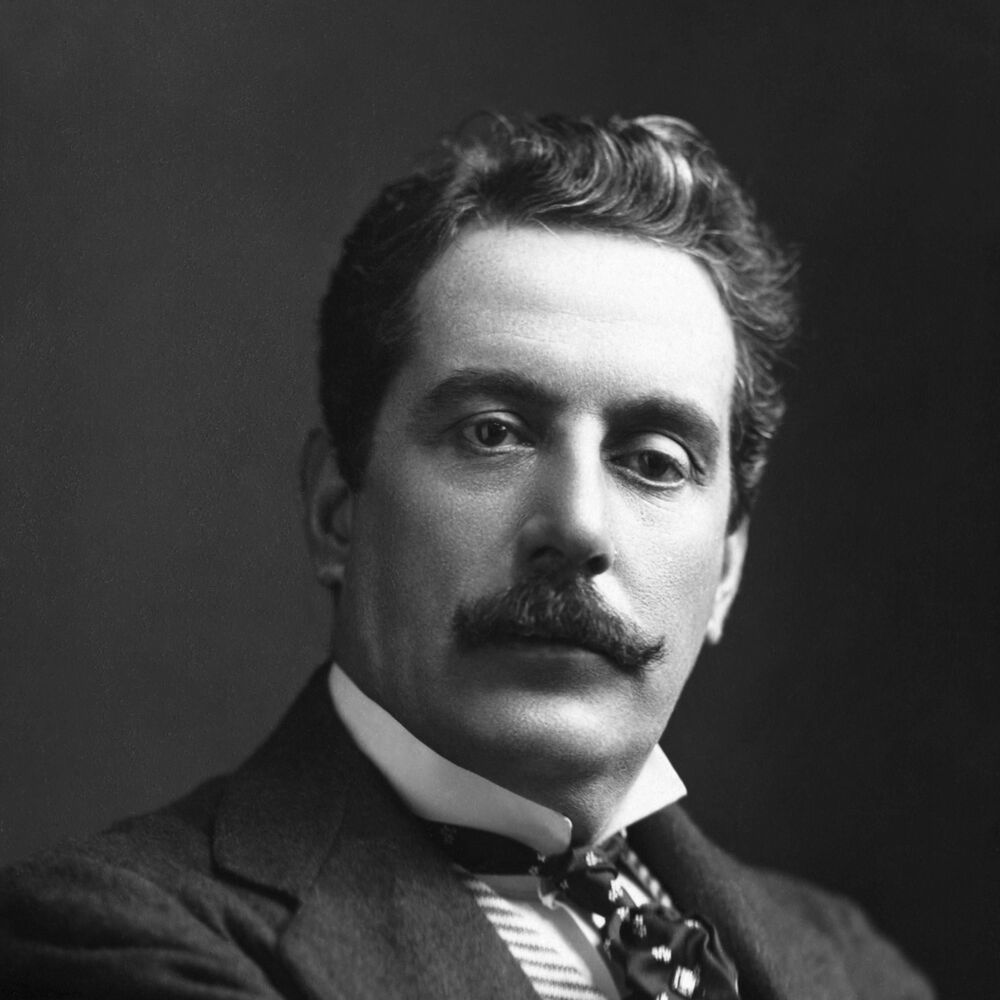
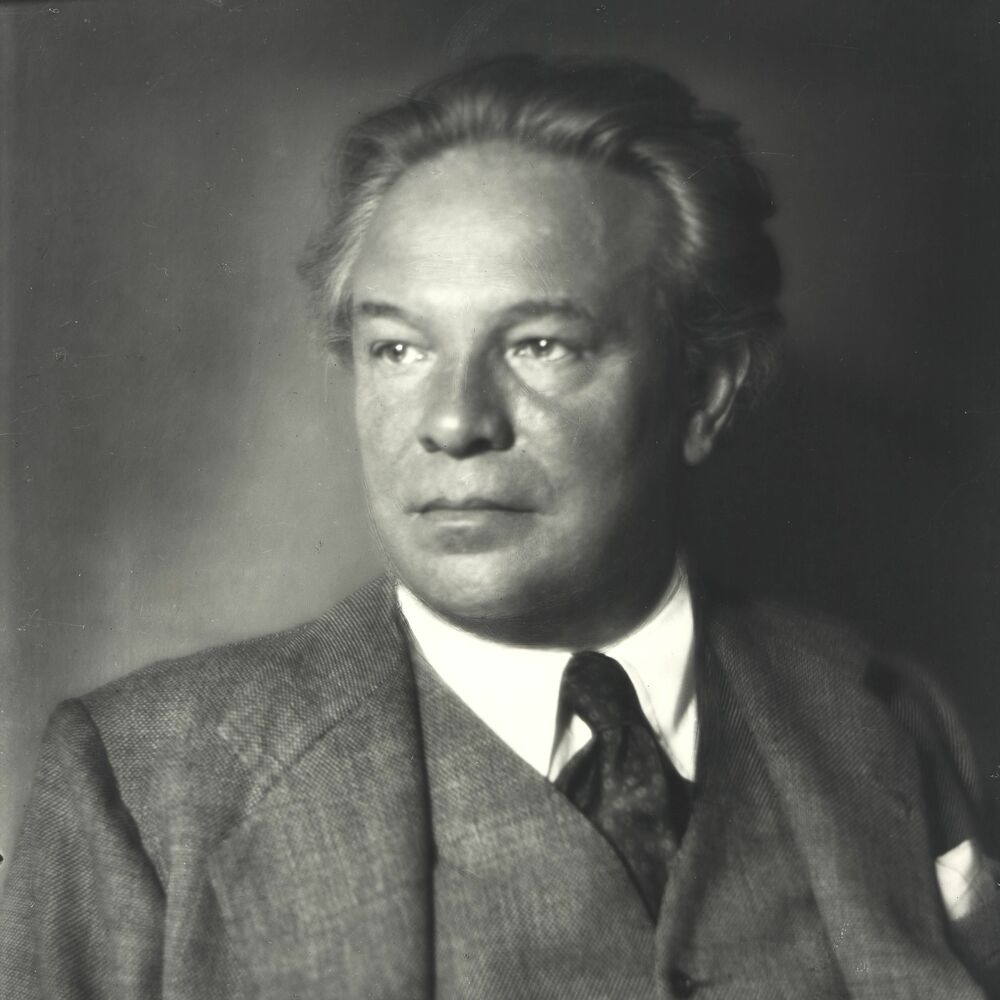
Ottorino Respighi
 Italy
Italy
Listen Ottorino Respighi on radio stations:




Ottorino Respighi: The Italian Master of Orchestral Color
Ottorino Respighi was a 20th-century Italian composer celebrated for his vividly pictorial orchestral works. Hailing from Bologna, his major achievement lies in his "Roman Trilogy," a series of symphonic poems that became staples of the orchestral repertoire and brought him international fame during his lifetime.
Early career
Born in Bologna in 1879, Respighi began his musical studies locally before venturing to Russia and Germany. His early career was marked by a focus on chamber music and vocal works, with his first major opera, Re Enzo, premiering in 1905.
He also worked as a violist and developed a keen interest in early Italian music, which he would later transcribe and incorporate into his own compositions. Respighi's appointment as a professor at the Conservatorio di Santa Cecilia in Rome in 1913 proved to be a pivotal moment, immersing him in the city that would inspire his greatest works.
Breakthrough
Respighi's breakthrough arrived with the 1916 premiere of Fountains of Rome. This symphonic poem, published by the prestigious Casa Ricordi, captivated audiences with its lush, impressionistic depiction of four Roman fountains at different times of day. Its success established his signature style and set the stage for his most famous works.
Key tracks
Fountains of Rome — This 1916 tone poem was Respighi's first major success, showcasing his genius for orchestral color and programmatic storytelling.
Pines of Rome — The 1924 sequel is famous for its grand climax featuring a recorded nightingale and a powerful march evoking ancient Roman legions.
Roman Festivals — Completing the trilogy in 1928, this work is his most bombastic and virtuosic, depicting chaotic and ancient celebrations.
The Birds — This 1927 suite for small orchestra humorously reinterprets Baroque pieces by Rameau and others to imitate various birds.
Ancient Airs and Dances — A series of three orchestral suites begun in 1917, they beautifully resurrect and reorchestrate Renaissance lute music.
Following the Roman Trilogy, Respighi continued to compose operas, ballets like The Fantastic Toyshop, and further orchestral works. He enjoyed successful international tours, conducting his own music in the United States and Brazil. His later compositions, such as the Church Windows and Brazilian Impressions, continued to explore rich orchestral palettes until his death in 1936.
For listeners captivated by Respighi's blend of late-Romantic orchestral grandeur and impressionistic color, explore similar Italian composers. Gian Francesco Malipiero shared Respighi's interest in early Italian music and nationalistic themes. Alfredo Casella was another leading figure of the generazione dell'ottanta, blending modernism with Italian tradition. Goffredo Petrassi represents the next generation of Italian composers, though his early work shows the influence of Respighi's orchestral mastery.
RADIO ROTATION: The dramatic and accessible works of Ottorino Respighi are a regular feature on classical music stations worldwide, particularly those specializing in late-Romantic and 20th-century repertoire. His tone poems are frequently programmed for their immediate appeal and spectacular orchestral effects, making them favorites on both public radio and dedicated online classical streams.
You can experience the vibrant sonic landscapes of Ottorino Respighi by tuning into the classical radio stations featured on our website. Discover his iconic Roman Trilogy and other works through the curated playlists of stations available on onairium.com, your destination for classical music listening.