Episode 3: Practicing Non-retaliation

Episode 3: Practicing Non-retaliation

Author: JoAnn Fox: Buddhist Teacher November 2, 2018 Duration: 49:40

"Hatred never ceased by hatred, but only by love. This is an eternal truth."  --Buddha

This episode explores how we can respond to harm with love and compassion. The power to not retaliate when someone appears to harm us is most extraordinary mind! This power of non-retaliation can be generated in the following ways:

1. Develop compassion for the person appearing to harm us. This person is controlled by their delusions (uncontrolled minds like anger, attachment, jealousy, pride). We can also think, "this person is harming themselves also by creating the karma to suffer in the future by harming us." This person is suffering now and in the future.

2. We can also cool the wish to retaliate by realizing that the source of our pain comes from our own delusions (uncontrolled mind) and that no one has the power to take away our happiness. This person harming us is merely an instrument delivering our own bad karma to us.

Some everyday ways that we respond to harm by retaliating are responding with annoyance, saying "no" to their small requests for help, or just not liking them. Not liking someone can be so very painful to them!

To learn not to retaliate we can contemplate the person with compassion, and generate a wish to respond with kindness or gentleness. We can even plan our new response in advance. the meditation called "Exchanging Self with Others" is a really powerful way to help you do this.

Meditation 2: Exchanging Self with Others

The meditation called "Exchanging Self with Others" guides you to walk a mile in their shoes!

Step 1. Choose someone that causes you some harm or pain

Step 2. Imagine that your consciousness leaves your body and enters the body of the other person.

Step 3. First, simply imagine the world through their eyes. Imagine a day in their life and try to feel what they feel and see what they see. 

Step 4. Observe what causes them pain. Then observe what makes them happy.

Step 5. View yourself through their eyes. What do you do that causes them pain? What could you do that would bring them happiness or relief?

Step 6. Feel a wish for them to not suffer from anything that you do. Develop a wish to respond to them in one of the kind ways you imagined. 

Practice in Daily Life

Determine to not retaliate to this person this week, but instead to be kind to them in the ways you imagined. Try this mindfully for a week, but ideally non-retaliation for this person will stick. It is so freeing!
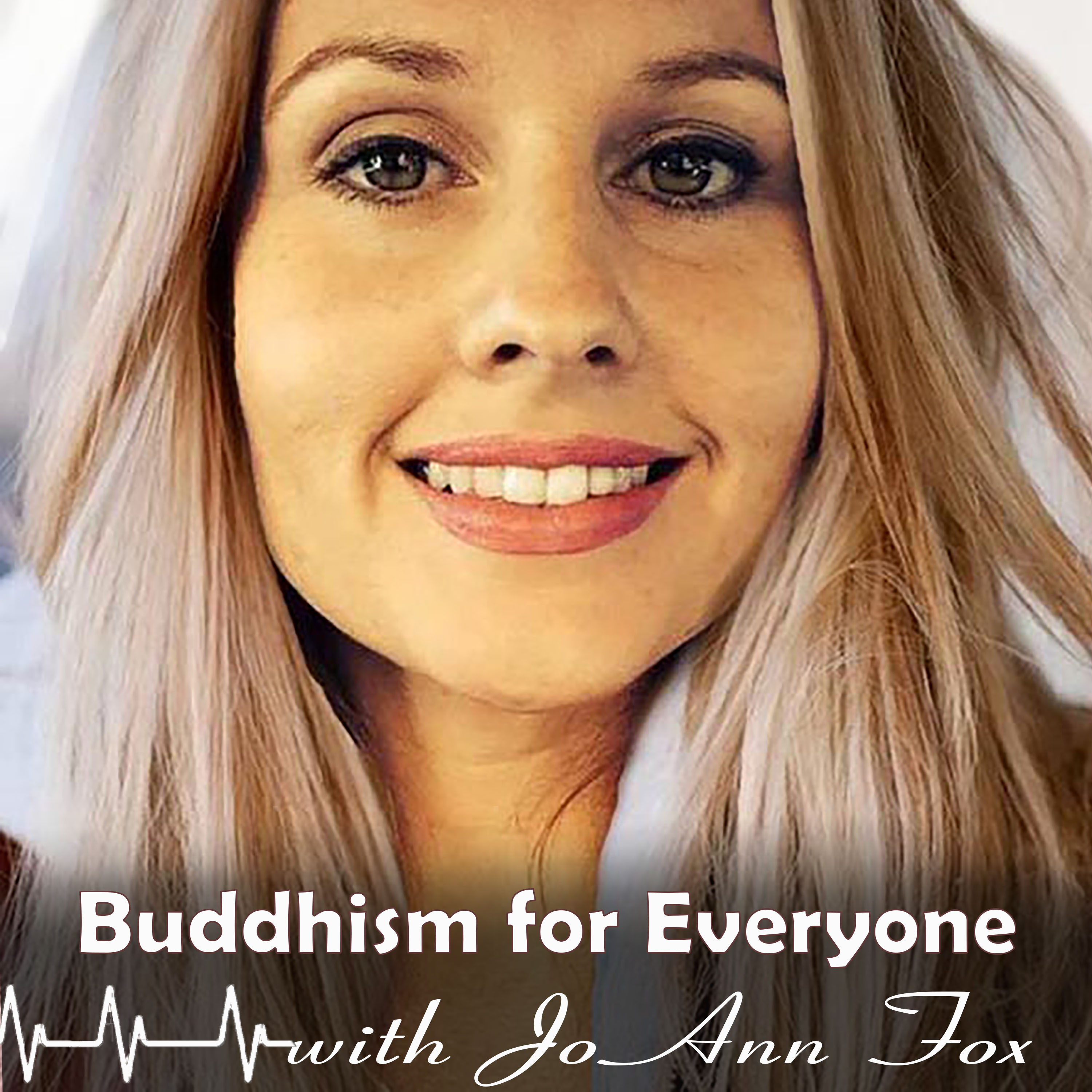

You'll find Buddhism for Everyone with JoAnn Fox to be a conversation that feels both timeless and immediately useful. JoAnn Fox, a Buddhist teacher with over two decades of experience, guides these discussions with a genuine warmth and a welcome touch of humor, making profound ideas feel accessible. This isn't about abstract philosophy; it's about the tangible ways these ancient practices can reshape our modern days. Each episode, released every other week, delves into practical applications. You might explore how to cultivate patience during a frustrating commute, find a deeper sense of contentment amidst daily routines, or develop the compassionate resilience the world needs. The podcast serves as a gentle, consistent reminder that spiritual growth isn't separate from ordinary life-it's woven right into it. JoAnn's approach demystifies meditation and mindfulness, framing them as tools for anyone seeking more peace or clarity. Whether you're completely new to these concepts or looking to deepen an existing practice, the conversations meet you where you are, offering insights that encourage reflection and, most importantly, action in your own life.
Author: Language: English Episodes: 230

Buddhism for Everyone with JoAnn Fox
Podcast Episodes
Episode 145 - The Nature of The Mind [not-audio_url] [/not-audio_url]

Duration: 34:45
The word enlightenment is a translation of two Pali words that mean "awakened" and "freed from all fetters." To become enlightened then means we wake to the true nature of reality, and we free our mind from all the shack…
Episode 144 - How To Turn The Other Cheek [not-audio_url] [/not-audio_url]

Duration: 30:18
Many of the great religious leaders have asked us to practice non-retaliation, to turn the other cheek, and practice nonviolence. The Buddha explained that non-retaliation is not only important for the person who harms u…
Episode 143 - Right Thinking [not-audio_url] [/not-audio_url]

Duration: 41:33
This episode is the last of a three part series on the ten nonvirtuous actions, and the focus is on actions of mind. Actions of mind you say! Yes, actions of mind do create karma. In fact, mental actions are continuously…
Episode 142 - Mindful Speech [not-audio_url] [/not-audio_url]

Duration: 37:22
When the Buddha explained the ten nonvirtuous actions to abandon, four are devoted to our speech. Our words are an incredibly powerful tool; they can build ourselves and others up. Or they can tear ourselves and others d…
Episode 141 - Body Karma [not-audio_url] [/not-audio_url]

Duration: 37:20
Buddha explained the Ten Nonvirtuous Actions as a way to guide our actions of body, speech, and mind. "Nonvirtuous" means that it brings suffering to us in the future by way of negative karmic results. Yet it is easy to…
Episode 140 - Happiness Training [not-audio_url] [/not-audio_url]

Duration: 36:08
Where we place our thoughts is how we produce happiness, calm, and peace. The real trap we're all in is believing that we will be happy when_______. Think about how many times we've said this: "I'll be happy when I get m…
Episode 139 - How To Purify Bad Karma [not-audio_url] [/not-audio_url]

Duration: 40:01
There is a way to purify negative karma! Phew. Buddha taught the Four Powers of Purification. The first power is healthy regret. This type of regret stands in contrast to guilt. Healthy regrets teaches us that we should…
[not-audio_url] [/not-audio_url]

Duration: 0:00
From two stories told by the Buddha referencing people who didn't think their actions of harm were any big deal, we see that the results of karma can be powerful and that the practice of restraint is wise for our present…
Episode 137 - Being Tender with Our Anger [not-audio_url] [/not-audio_url]

Duration: 31:49
When Buddha was accused of sexual relations with a young, beautiful woman named Sundari, and his followers were accused of murdering her, Buddha remained unphased. Buddha merely used it as an opportunity to teach about k…
[not-audio_url] [/not-audio_url]

Duration: 0:00
Dharma often refers to the teachings of Buddha, but the specific meaning of dharma is that which holds us back from suffering. If we say we are a Buddhist or a dharma practitioner, it means we are making an effort to hol…
