223: Ask Ryan | Quarantine Quad Series, Part 3

223: Ask Ryan | Quarantine Quad Series, Part 3

Author: Ria Windcaller: Award-winning Cidermaker, Podcaster | Craft Beer Columnist May 13, 2020 Duration: 41:21

Discover two cidermaking techniques that are also used in winemaking, called Maderisation and Bâtonnage. We delve into both of these topics in Part 3 of the Quarantine Quad Series called "Ask Ryan" with Ryan Monkman of FieldBird Cider, Ontario Canada answering questions from Cider Chat listeners.

Maderisation: What is this technique and can it be used with cider?

Bâtonnage: are there any short term benefits from bâtonnage or does one need to "stir up the barrel" for a long period (1 year at the least) to benefit from this technique?

Listen Part 1 and Part 2 of the Quarantine Quad Series.

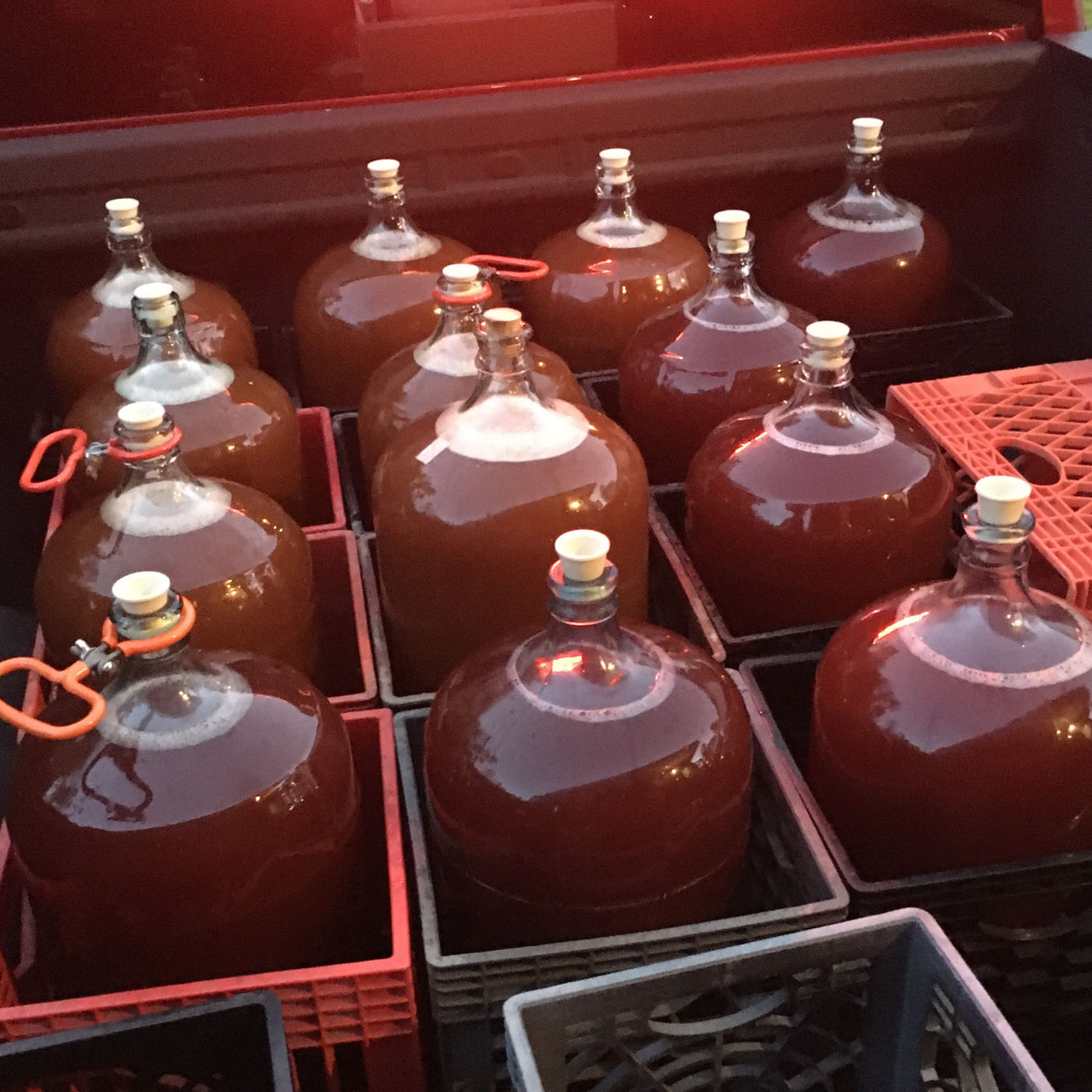
Maderisation - The barrels are cooked - sometimes for years. Developing flavors called "maderised".

  • If done well it can be delicious.
  • High alcohol cider is best for maderisation - slower  bacterial growth. Cider that is has a low alcohol by volume  - likely to get organism spikes.

FieldBird is planning to do a maderized cider from the 2020 harvest

  • Northern Spy, fermented half way and fortified with apple brandy and let the barrel sit in a hot place.
  • 17 Brix on the Spys (9%) ferment down half way and then add brandy. Getting 8% sugar.
  • Sugar helps - creates the caramel flavor and provides an appearance of freshness.
  • No MLF in the presence of sugar. Leave in cellar over the winter.
  • Then leave the barrel outside all summer.
  • 30 Celsius - 86 Farenheit.
    • This will cause the maderisation

The risk of maderisation is cooking a barrel to much

The final product will be around 17-18% 

Battonage: Is it worth it if you don't have a full year to do Bâtonnage on a barrel?

  • Nano proteins are the biggest benefit of Bâtonnage
    • They release into the cider providing a perception of sweetness and body with out the sugar
  • Need at least 9 months to a year to get the nano proteins

There are short term benefits.

  1. Yeast produces less carbon dioxide and bubbles.
    • They slow down after the first primary ferment.
    • Fermentation may have stopped but there is still sugar left.
  2. Lees absorb off aromas, except for H2S rotting egg smell.
  3. Bâtonnage helps to maintain a reductive state.
    • Full reduction - rotting smell is a type of reduction. Which helps protect the cider from oxidization and protect the flavor components.

In wine, a Sauvignon Blanc, has rich tropical flavors which come from a rich reductive state,

At FieldBird, they save lees in the freezer.

Cracking - the freeze helps the lees cells break down.

  • Using frozen lees that have cracked - means it will takes only 4-5 months versus 8-9 months in the barrel to get the benefits from Bâtonnage

Contact for Ryan Monkman at FieldBird Cider

Mentions in this chat

Help Support Cider Chat Please donate today. Help keep the chat thriving!

Find this episode and all episodes at the page for Cider Chat's podcasts.


There’s a whole world in a glass of cider, and Cider Chat is your invitation to explore it. Hosted by award-winning cidermaker and writer Ria Windcaller, this podcast travels far beyond the bottle to meet the people who make the global cider culture so vibrant. Each conversation is a journey-you might find yourself in a heritage orchard learning the history of forgotten apple varieties, in a bustling taproom with an importer explaining regional traditions, or in a kitchen with a chef pairing cider with unexpected foods. The discussions get into the delightful nuances, too, whether that’s the semantics of what we even call this drink or how the concept of terroir translates from soil to sip. It’s not just about production; it’s about the community, the travel, and the stories that fermentation unlocks. This is for anyone curious about the craft, history, and sheer enjoyment of fermented apple juice in all its forms. So, pour a glass and settle in for a series that feels like a wide-ranging, informative, and genuinely good-humored chat with friends who happen to be obsessed with cider. You’ll come away with a deeper appreciation for every effervescent, tart, or sweet sip, hearing directly from the growers, makers, and enthusiasts who are shaping this drink’s exciting present and future.
Author: Language: English Episodes: 501

Cider Chat
Podcast Episodes
388: French Origins of American Apples | The Grand-Mères [not-audio_url] [/not-audio_url]

Duration: 51:11
Discover the Apple Grand-mères/Grandmothers of North America Todd Little-Siebold (Ph.D.) spoke at New York Apple Camp (2023) on a presentation titled the "Three Grandmothers" or Grand-mères in French. The sub title is "W…
387: American Cider Association CEO & CiderCon 2024 [not-audio_url] [/not-audio_url]

Duration: 57:15
Catching up with Michelle McGrath CEO of the ACA CiderCon 2024 takes place in Portland, Oregon, making it the perfect time to chat with the American Cider Association's CEO Michelle McGrath. The Northwest Cider Associati…
386: Managing Cider's Secondary Fermentation - DIY Tips [not-audio_url] [/not-audio_url]

Duration: 38:49
The Purpose of Secondary Fermentation when Making Cider Improve the overall quality and characteristics of the final product during secondary fermentation by; Clarification: During primary fermentation, yeast converts su…
385: Cider's Ki - Remix [not-audio_url] [/not-audio_url]

Duration: 37:03
Searching for Cider's Universal Life Force a.k.a: Ki Of course Cider has Ki , as it is related to the Japanese martial art Aikido. It all began when four words "Bravey, Wisdom, Love and Friendship" were spoken at New Yor…
384: Beginner Cider-Making Tips for Primary Fermentation [not-audio_url] [/not-audio_url]

Duration: 51:13
The process where fresh pressed apple juice is transformed into a delightful alcoholic beverage (cider) happens during primary fermentation. Before we get into the steps here is a list of Equipment and Ingredients you wi…
383: The Medlar Specialist & Her Delicious Medlar Book [not-audio_url] [/not-audio_url]

Duration: 1:00:28
Meet the Medlar Specialist Jane Steward, is the world's premier Medlar Specialist. She is both a Grower and Producer of medlar preserves at Eastgate Larder, based in the UK, and the Author of the first ever book featurin…
382: Beginner Tips for Squeaky Clean Cider Equipment [not-audio_url] [/not-audio_url]

Duration: 39:04
Dive into cider making essentials. Learn the importance of pristine equipment and elevate your cider's quality. Ideal for beginners starting their journey. Tip #1: Understanding the Importance of Sanitation Sanitation is…
381: DIY Cider Making for Beginners [not-audio_url] [/not-audio_url]

Duration: 42:25
Cider Making at home is a Perfect DIY Cider Making is fun! If you are a cider fan who would like to try to make cider at home without breaking the bank, this episode is the perfect DIY project to start your journey. New…
380: The Legacy of the Downing Brothers: Architects of Nature [not-audio_url] [/not-audio_url]

Duration: 32:48
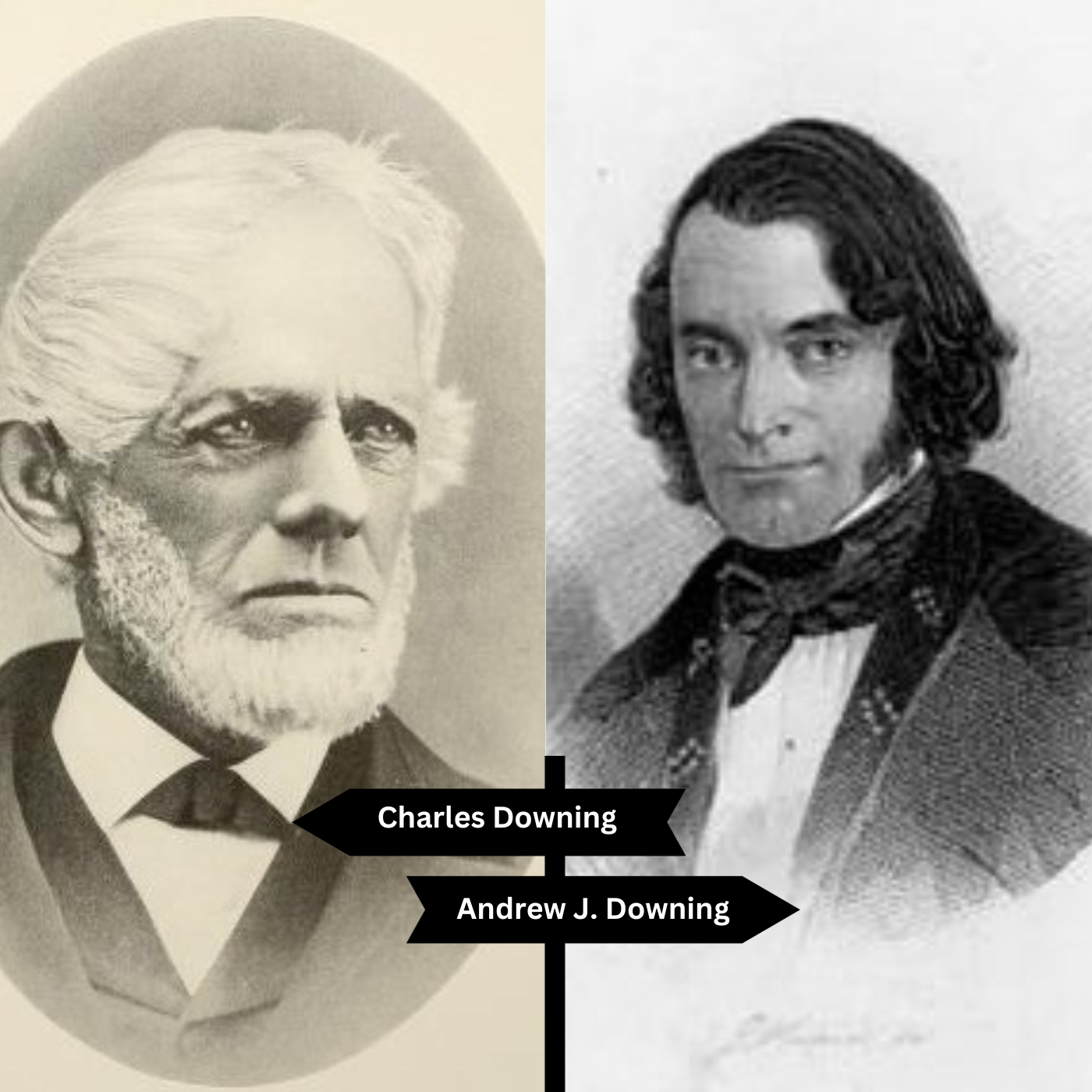
The Architectural and Horticultural Endeavors of the Downing Brothers In the realm of landscape design and horticulture, few names are as revered as those of Andrew Jackson Downing and his brother, Charles Downing. Throu…
379: The Intricacies of Cider Co-ferments [not-audio_url] [/not-audio_url]

Duration: 1:01:07
Delve deep into the realm of cider co-ferments Enjoy this special talk with a tasting of select co-ferments from New York Apple Camp 2023. Hear the discussion on techniques, flavors, and challenges. This talk was hosted…