223: Ask Ryan | Quarantine Quad Series, Part 3

223: Ask Ryan | Quarantine Quad Series, Part 3

Author: Ria Windcaller: Award-winning Cidermaker, Podcaster | Craft Beer Columnist May 13, 2020 Duration: 41:21

Discover two cidermaking techniques that are also used in winemaking, called Maderisation and Bâtonnage. We delve into both of these topics in Part 3 of the Quarantine Quad Series called "Ask Ryan" with Ryan Monkman of FieldBird Cider, Ontario Canada answering questions from Cider Chat listeners.

Maderisation: What is this technique and can it be used with cider?

Bâtonnage: are there any short term benefits from bâtonnage or does one need to "stir up the barrel" for a long period (1 year at the least) to benefit from this technique?

Listen Part 1 and Part 2 of the Quarantine Quad Series.

Maderisation - The barrels are cooked - sometimes for years. Developing flavors called "maderised".

  • If done well it can be delicious.
  • High alcohol cider is best for maderisation - slower  bacterial growth. Cider that is has a low alcohol by volume  - likely to get organism spikes.

FieldBird is planning to do a maderized cider from the 2020 harvest

  • Northern Spy, fermented half way and fortified with apple brandy and let the barrel sit in a hot place.
  • 17 Brix on the Spys (9%) ferment down half way and then add brandy. Getting 8% sugar.
  • Sugar helps - creates the caramel flavor and provides an appearance of freshness.
  • No MLF in the presence of sugar. Leave in cellar over the winter.
  • Then leave the barrel outside all summer.
  • 30 Celsius - 86 Farenheit.
    • This will cause the maderisation

The risk of maderisation is cooking a barrel to much

The final product will be around 17-18% 

Battonage: Is it worth it if you don't have a full year to do Bâtonnage on a barrel?

  • Nano proteins are the biggest benefit of Bâtonnage
    • They release into the cider providing a perception of sweetness and body with out the sugar
  • Need at least 9 months to a year to get the nano proteins

There are short term benefits.

  1. Yeast produces less carbon dioxide and bubbles.
    • They slow down after the first primary ferment.
    • Fermentation may have stopped but there is still sugar left.
  2. Lees absorb off aromas, except for H2S rotting egg smell.
  3. Bâtonnage helps to maintain a reductive state.
    • Full reduction - rotting smell is a type of reduction. Which helps protect the cider from oxidization and protect the flavor components.

In wine, a Sauvignon Blanc, has rich tropical flavors which come from a rich reductive state,

At FieldBird, they save lees in the freezer.

Cracking - the freeze helps the lees cells break down.

  • Using frozen lees that have cracked - means it will takes only 4-5 months versus 8-9 months in the barrel to get the benefits from Bâtonnage

Contact for Ryan Monkman at FieldBird Cider

Mentions in this chat

Help Support Cider Chat Please donate today. Help keep the chat thriving!

Find this episode and all episodes at the page for Cider Chat's podcasts.


There’s a whole world in a glass of cider, and Cider Chat is your invitation to explore it. Hosted by award-winning cidermaker and writer Ria Windcaller, this podcast travels far beyond the bottle to meet the people who make the global cider culture so vibrant. Each conversation is a journey-you might find yourself in a heritage orchard learning the history of forgotten apple varieties, in a bustling taproom with an importer explaining regional traditions, or in a kitchen with a chef pairing cider with unexpected foods. The discussions get into the delightful nuances, too, whether that’s the semantics of what we even call this drink or how the concept of terroir translates from soil to sip. It’s not just about production; it’s about the community, the travel, and the stories that fermentation unlocks. This is for anyone curious about the craft, history, and sheer enjoyment of fermented apple juice in all its forms. So, pour a glass and settle in for a series that feels like a wide-ranging, informative, and genuinely good-humored chat with friends who happen to be obsessed with cider. You’ll come away with a deeper appreciation for every effervescent, tart, or sweet sip, hearing directly from the growers, makers, and enthusiasts who are shaping this drink’s exciting present and future.
Author: Language: English Episodes: 501

Cider Chat
Podcast Episodes
268: Cider Canada | North America's Newest Association [not-audio_url] [/not-audio_url]

Duration: 37:47
Cider Canada / Cidre Canada Barry Rooke knows that the Canadian cider market is growing and believes in it so much that he and his partner Wendy co-founded The Cider Crate, a website that hosts their blog, a map of cider…
267: Fermenting with Quince | A Panel Discussion w/Makers [not-audio_url] [/not-audio_url]

Duration: 1:05:09
Fermenting with Quince Was Aphrodite's Forbidden Fruit a quince or the apple? She's not talking, but cidermakers are in this panel discussion on "Fermenting with Quince" that was recorded for CiderCon2021. Quince a.k.a.…
266: Vermont Quince Co. Elevates a Forgotten Pomme [not-audio_url] [/not-audio_url]

Duration: 38:20
Vermont Quince Hosts the New England Quince Taste Test of 2020 Perhaps before you listen to this episode 266 you might like to go to episode 248 to hear the initial blind tasting to compare the notes with this episode. T…
265: Calvados with Étienne Dupont | Normandy [not-audio_url] [/not-audio_url]

Duration: 53:10
Tasting Calvados with Étienne Dupont Étienne Dupont took over the Domaine Familial Etienne Dupont in the Pays d'Auge region of Normandy France from his father Louis and grandfather Jules in 1980. Episode 098: Jérôme Dupo…
264: Grandma's Perfect Apple Orchard | John Bunker [not-audio_url] [/not-audio_url]

Duration: 31:03
Grandma's Apple Orchard John Bunker, of Maine, Presents: Grandma's Apple Orchard: the perfect orchard with only twelve trees. How did she do it? John is a Colby alumnus and was presented the 2019 Commissioner's Distingui…
263: Apple Identification and Genetics [not-audio_url] [/not-audio_url]

Duration: 18:48
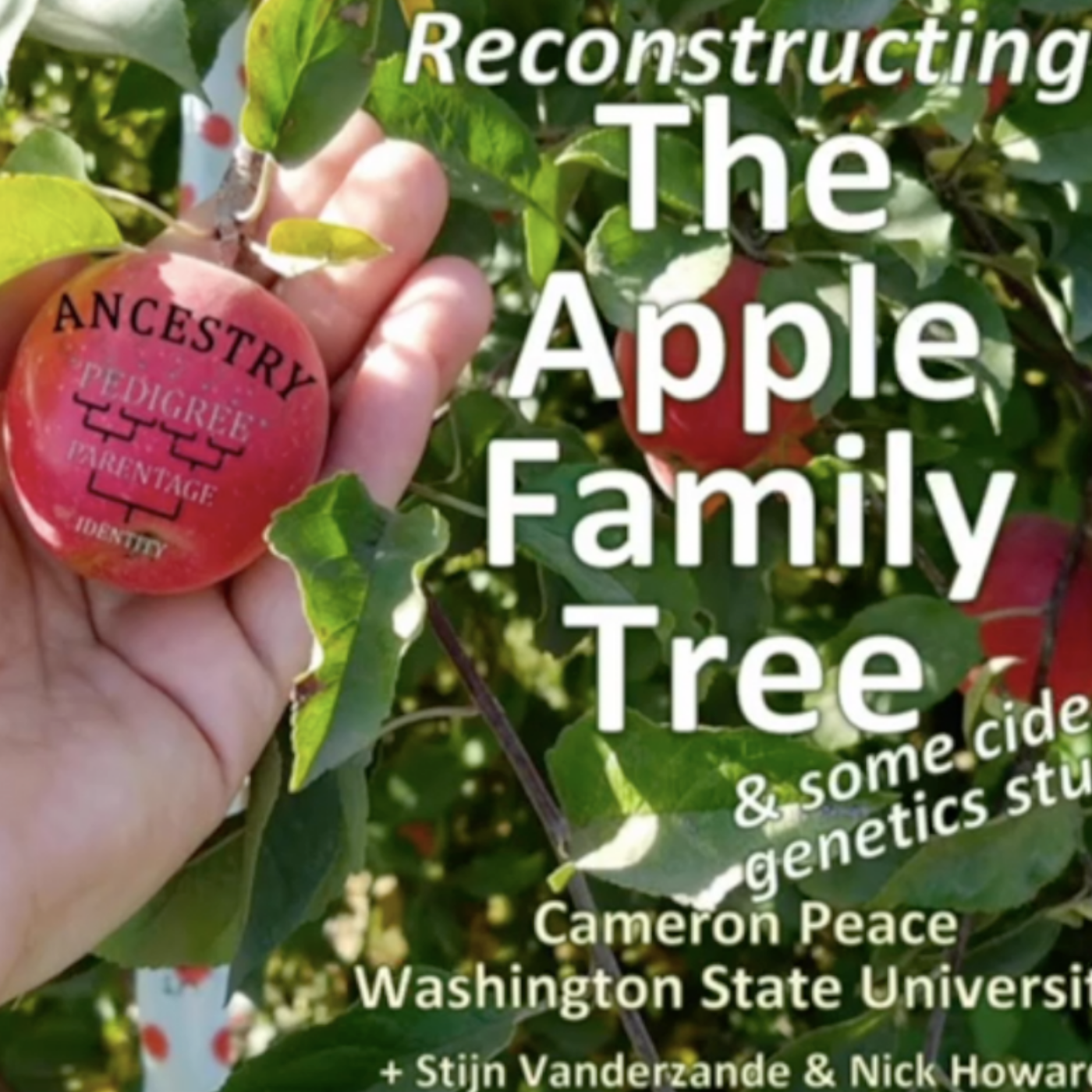
Science Based Resource for Apple Identification Up to this point we've all been reliant upon drawings and descriptions from historical books and "those in the know" to identify specific apple varieties. Today, as you wil…
262: Virtual Cidery | Building a Cidery Part 8 [not-audio_url] [/not-audio_url]

Duration: 40:57
What is a Virtual Cidery? A virtual cider is a cidery managed out of someone's else's cidery, or winery and in some cases a brewery. This week's featured guest is Ryan Monkman of FieldBird Cider in Prince Edward County O…
261: Yonder & The Source | Building a Cidery, Part 7 [not-audio_url] [/not-audio_url]

Duration: 33:00
What is Yonder? Yonder Cider is made at the production facility in Wenatchee, Washington. Cider are made with both culinary and classic cider varieties that co-owner Caitlin Braam, who is our featured guest in this episo…
260: Eris Brewery and Cider House | Building a Cidery Part 6 [not-audio_url] [/not-audio_url]

Duration: 40:51
What is Eris? Eris is the name of the goddess of chaos. Her splendor in creating chaos is exactly why co-owners Michelle Foik and Katie Pizza named their craft beer and cider bar Eris, but there is more. Katie's "elevato…
259: Artifact Cityscape | Building a Cidery - Part 5 [not-audio_url] [/not-audio_url]

Duration: 47:46
Artifact Cider Project Soham Bahatt and Jake Mazar co-founded Artifact Cider Project in 2014. The cidery was originally located in the city of Springfield, Massachusetts, then moved out towards Boston and eventually back…