223: Ask Ryan | Quarantine Quad Series, Part 3

223: Ask Ryan | Quarantine Quad Series, Part 3

Author: Ria Windcaller: Award-winning Cidermaker, Podcaster | Craft Beer Columnist May 13, 2020 Duration: 41:21

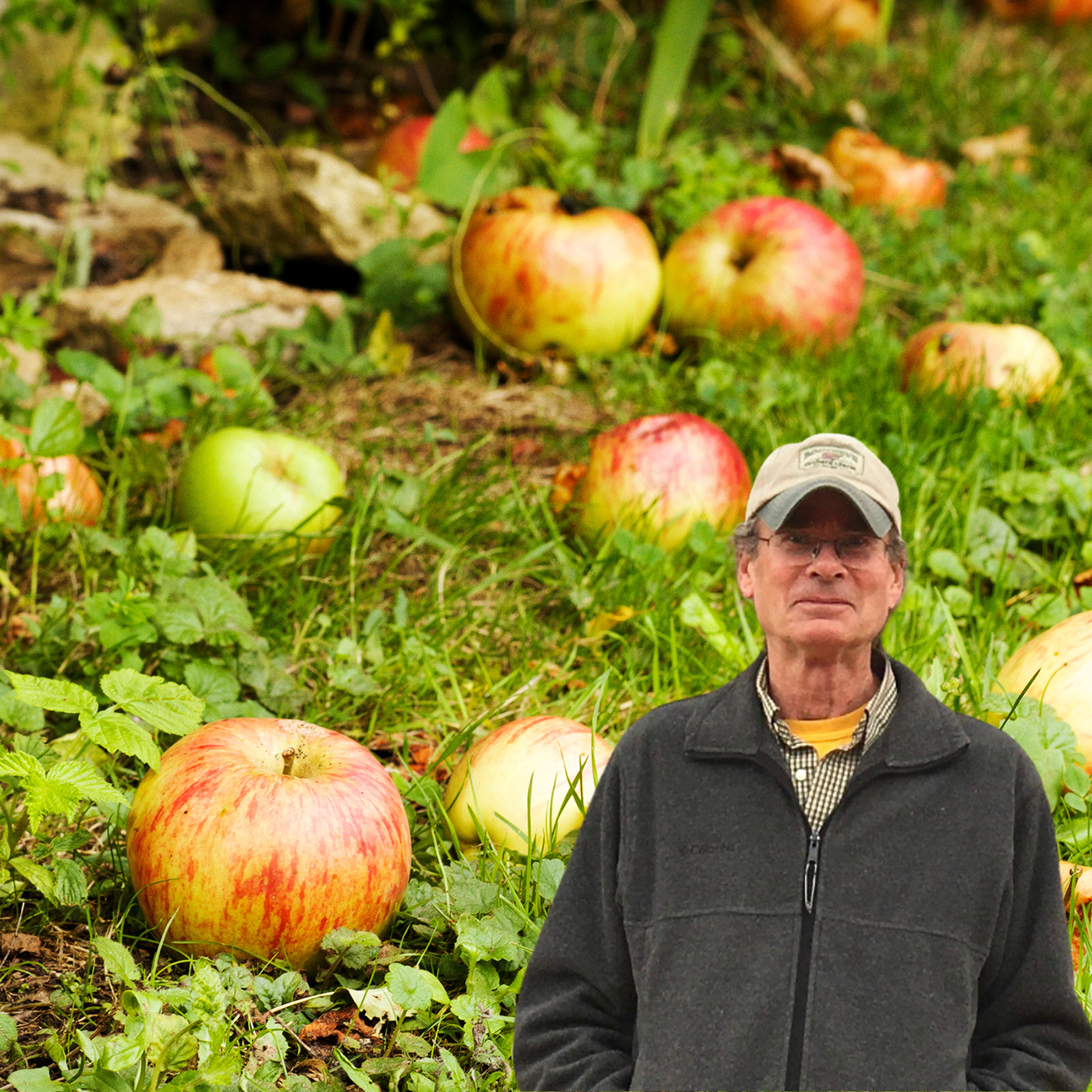
Discover two cidermaking techniques that are also used in winemaking, called Maderisation and Bâtonnage. We delve into both of these topics in Part 3 of the Quarantine Quad Series called "Ask Ryan" with Ryan Monkman of FieldBird Cider, Ontario Canada answering questions from Cider Chat listeners.

Maderisation: What is this technique and can it be used with cider?

Bâtonnage: are there any short term benefits from bâtonnage or does one need to "stir up the barrel" for a long period (1 year at the least) to benefit from this technique?

Listen Part 1 and Part 2 of the Quarantine Quad Series.

Maderisation - The barrels are cooked - sometimes for years. Developing flavors called "maderised".

  • If done well it can be delicious.
  • High alcohol cider is best for maderisation - slower  bacterial growth. Cider that is has a low alcohol by volume  - likely to get organism spikes.

FieldBird is planning to do a maderized cider from the 2020 harvest

  • Northern Spy, fermented half way and fortified with apple brandy and let the barrel sit in a hot place.
  • 17 Brix on the Spys (9%) ferment down half way and then add brandy. Getting 8% sugar.
  • Sugar helps - creates the caramel flavor and provides an appearance of freshness.
  • No MLF in the presence of sugar. Leave in cellar over the winter.
  • Then leave the barrel outside all summer.
  • 30 Celsius - 86 Farenheit.
    • This will cause the maderisation

The risk of maderisation is cooking a barrel to much

The final product will be around 17-18% 

Battonage: Is it worth it if you don't have a full year to do Bâtonnage on a barrel?

  • Nano proteins are the biggest benefit of Bâtonnage
    • They release into the cider providing a perception of sweetness and body with out the sugar
  • Need at least 9 months to a year to get the nano proteins

There are short term benefits.

  1. Yeast produces less carbon dioxide and bubbles.
    • They slow down after the first primary ferment.
    • Fermentation may have stopped but there is still sugar left.
  2. Lees absorb off aromas, except for H2S rotting egg smell.
  3. Bâtonnage helps to maintain a reductive state.
    • Full reduction - rotting smell is a type of reduction. Which helps protect the cider from oxidization and protect the flavor components.

In wine, a Sauvignon Blanc, has rich tropical flavors which come from a rich reductive state,

At FieldBird, they save lees in the freezer.

Cracking - the freeze helps the lees cells break down.

  • Using frozen lees that have cracked - means it will takes only 4-5 months versus 8-9 months in the barrel to get the benefits from Bâtonnage

Contact for Ryan Monkman at FieldBird Cider

Mentions in this chat

Help Support Cider Chat Please donate today. Help keep the chat thriving!

Find this episode and all episodes at the page for Cider Chat's podcasts.


There’s a whole world in a glass of cider, and Cider Chat is your invitation to explore it. Hosted by award-winning cidermaker and writer Ria Windcaller, this podcast travels far beyond the bottle to meet the people who make the global cider culture so vibrant. Each conversation is a journey-you might find yourself in a heritage orchard learning the history of forgotten apple varieties, in a bustling taproom with an importer explaining regional traditions, or in a kitchen with a chef pairing cider with unexpected foods. The discussions get into the delightful nuances, too, whether that’s the semantics of what we even call this drink or how the concept of terroir translates from soil to sip. It’s not just about production; it’s about the community, the travel, and the stories that fermentation unlocks. This is for anyone curious about the craft, history, and sheer enjoyment of fermented apple juice in all its forms. So, pour a glass and settle in for a series that feels like a wide-ranging, informative, and genuinely good-humored chat with friends who happen to be obsessed with cider. You’ll come away with a deeper appreciation for every effervescent, tart, or sweet sip, hearing directly from the growers, makers, and enthusiasts who are shaping this drink’s exciting present and future.
Author: Language: English Episodes: 501

Cider Chat
Podcast Episodes
248: New England Quince Taste Test [not-audio_url] [/not-audio_url]

Duration: 32:40
The New England Quince Taste Test 2020 was hosted by Vermont Quince. Nan Stefanik founded Vermont Quince in 2012 and coined the hashtag #growquince Her passion for this pomme is contagious and her quince based products h…
247: Marijuana, Cider and the Law [not-audio_url] [/not-audio_url]

Duration: 1:03:49
Marijuana as of 2020 is now legal in 15 states in the United States. CBD products are popping up in can drinks nearly every where you look these days. Is it legal? Can cider now be fused with cider or at least CBD or per…
246: Becoming Pomona [not-audio_url] [/not-audio_url]

Duration: 1:02:54
Becoming Pomona was recorded at the 25th Franklin County CiderDays in November of 2019. The goal of this pomona panel discussion was to share personal stories on the inspirational effect of CiderDays on women in the cide…
245: Apples of New England [not-audio_url] [/not-audio_url]

Duration: 58:51
245: Apples of New England "Apples of New England" was presented by Russell Steven Powell Powell served as executive director of the New England Apple Association from 1998 to 2024 ( the NEAA closed it's doors on June 30…
244: Traveling the Cider Trail | Part 2 [not-audio_url] [/not-audio_url]

Duration: 34:53
Franklin County CiderDays now has a "Cider Trail" with 16 stops covering western Massachusetts and the Berkshires! This is part 2 of the series on traveling the Cider Trail and we will look at 10 stops along the trail. E…
243: Cider Trail 2020 | CiderDays Part 1 [not-audio_url] [/not-audio_url]

Duration: 23:34
Plan the Perfect Cider Road Trip! This is Part 1 of a two part series on the new Cider Trail for Franklin County CiderDays 2020. The following is a recommended loop to visit 5 venues on the map. You can go in either dire…
242: Selecting Cider [not-audio_url] [/not-audio_url]

Duration: 30:41
Tips on "SelectIng Your Perfect Cider" With so many choices on the shelf, purchasing cider can begin to feel daunting! This episode will provide tips to help you make that choice when faced with a wide range of cider sty…
241: How to Bottle Cider at Home [not-audio_url] [/not-audio_url]

Duration: 32:26
How to Bottle Cider at Home is Part 6 and the final episode of the Cidermaker Series "Oh September" for 2020 Learn How to Make Cider at Home in Part 1 of this Cidermaking Series. Part 5 To Rack or Not To Rack is a must l…
240: To Rack or Not to Rack | Cidermaking Series Part 5 [not-audio_url] [/not-audio_url]

Duration: 36:44
This chat provides a a sip of something for everyone, from makers who want to improve their skills to consumers who enjoy knowing why a cider tastes a particular way. In this Cider Chat, we look at the next step after pr…
239: Scrub-a-Dub Valves & Vessels [not-audio_url] [/not-audio_url]

Duration: 43:25
Cleaning considerations for 3 different cider operations - DYI, Farm Winery and Production with Stormalong Cider. (l-r) Ben Roberts-Sano, Bright McConnell, Shannon Edgar DIY - Home Cidermaking It is soak and scrub for th…