227 The Color of Cider

227 The Color of Cider

Author: Ria Windcaller: Award-winning Cidermaker, Podcaster | Craft Beer Columnist June 10, 2020 Duration: 24:57

The Color of Cider provides a snap shot of an early practices used to deter black farmers gaining true equality and the difficulties facing African Americans today who may view farming as a step back to the plantation.

We begin this episode with a quote from Booker T. Washington who born into slavery on April 5, 1856. He was able to learn to read and write despite the tendency of slave owners to not allow blacks to gain education. He help co-found the Tuskegee Institute.

On September 18, 1895 Washington gave a speech at the Cotton States and International Exposition in Georgia. He asserted that vocational education, which gave blacks an opportunity for economic security, was more valuable to them than social advantages, higher education, or political office. Washington asked blacks to "Cast down your buckets where you are" and focus instead on becoming agricultural and industrial laborers. In essence he was asking for blacks to not push against racial segregation. 

In turn for this act of accepting one's station in the black community, he asked for a guarantee that blacks would receive a basic education and due process in the law.

The largely white audience in attendance loved the speech. The fall back from the black community, who were  called at the time "Black Intellectuals" was immediate outrage. W.E.B. DuBois, also a famous black activist called Washington's speech, the"Atlanta Compromise."

Du Bois denounced Washington platform to accept ones position.

What was curious about Washington was that he asked Black Americans to accept their unequal position, while at the same time secretly funded litigation for civil rights cases.

Five years later, in 1900 Washington founded the National Negro Business League, with the mission of promoting the economic development of African Americans. He wrote a ground breaking auto biographical book called Up From Slavery.

One particular quote/story from B. T. Washington makes the case of why it was and so hard for Black to gain upward mobility. This comes from an article in the Country Gentleman magazine described as a journal for The Farm, The Garden and The Fireside.

"In one case I happen to remember a family that had three or four strong persons at work every day that was allowed to rent only about ten acres of land. When I asked the owner of the plantation why he did not let this family have more land he replied that the soil was so productive that if he allowed them to rent more they would soon be making such a profit that they would be able to buy land of their own and he would lose them as renters. This is one way to make the Negro inefficient as a laborer—attempting to discourage him instead of encouraging him."

One doesn't need to be a rocket scientist to see that Cider today is white because blacks did not have the same opportunity to own land and farm.

Washington died on November 14, 1915.

Today in 2020, we are witnessing an uprising of Black Lives Matter taking place not only in the US, but world wide. Today's Black Live Matters shows I believe that Washington's call for acceptance of one's status didn't work. Blacks have never been treated with a fair due process in the law. 

For our modern times, I recommend the following book.

Farming While Black : Soul Fire Farm's Practical Guide to Liberation on the Land

by, Leah Penniman

Published by Chelsea Green Printing
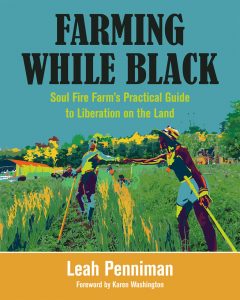
Farming While Black

Contact for Soul Fire Farm

Help Support Cider Chat Please donate today. Help keep the chat thriving!

Find this episode and all episodes at the page for Cider Chat's podcasts.


There’s a whole world in a glass of cider, and Cider Chat is your invitation to explore it. Hosted by award-winning cidermaker and writer Ria Windcaller, this podcast travels far beyond the bottle to meet the people who make the global cider culture so vibrant. Each conversation is a journey-you might find yourself in a heritage orchard learning the history of forgotten apple varieties, in a bustling taproom with an importer explaining regional traditions, or in a kitchen with a chef pairing cider with unexpected foods. The discussions get into the delightful nuances, too, whether that’s the semantics of what we even call this drink or how the concept of terroir translates from soil to sip. It’s not just about production; it’s about the community, the travel, and the stories that fermentation unlocks. This is for anyone curious about the craft, history, and sheer enjoyment of fermented apple juice in all its forms. So, pour a glass and settle in for a series that feels like a wide-ranging, informative, and genuinely good-humored chat with friends who happen to be obsessed with cider. You’ll come away with a deeper appreciation for every effervescent, tart, or sweet sip, hearing directly from the growers, makers, and enthusiasts who are shaping this drink’s exciting present and future.
Author: Language: English Episodes: 501

Cider Chat
Podcast Episodes
318: Manoir de Montreuil | 13 Generations in Cider [not-audio_url] [/not-audio_url]

Duration: 36:24
Domaine du Manoir de Montreuil with Patrice Giard In this episode: Patrice Giard recorded during the Totally Cider Tour to Normandy France in September 2018. The upcoming 2022 French Cider Tour will be making a stop at t…
317: How a "Cyder" Teapot fueled the American Revolution [not-audio_url] [/not-audio_url]

Duration: 56:01
Cider's back story behind the American Revolution In the 1700s ceramic teapots were the political bumper stickers of the day! In this episode we hear about the Cyder Act teapot that the Museum of the American Revolution…
316: Celebrating New Zealander Alex Peckham | 1962-2022 [not-audio_url] [/not-audio_url]

Duration: 1:12:50
Alex Peckham New Zealand's Premier Cidermaker With wit and charm and dashing good looks Alex Peckham charmed all who had the pleasure of meeting him. The fact that he produced exemplary ciders was merely a side bonus. I…
315: Climate Change & Apple Disease | CiderCon 2022 [not-audio_url] [/not-audio_url]

Duration: 54:43
Climate Change insights for Orchardists Elizabeth Garofalo of the University of Massachusetts is an Extension Educator and part of the Fruit Team. This workshop presented how regional climates are shifting and the impact…
314: Top of the Mitten | Michigan Cider Terroir [not-audio_url] [/not-audio_url]

Duration: 50:47
Northern Michigan a.k.a. Top of the Mitten A cider tasting with Left Foot Charley, Tandem Cider and Presque Isle Farm Cider as presented at CiderCon20222. Nicole LeGrand Leibon of LaNose Knows consulting moderated this p…
313: Wild Yeast Fermentations | CiderCon 2022 [not-audio_url] [/not-audio_url]

Duration: 1:03:04
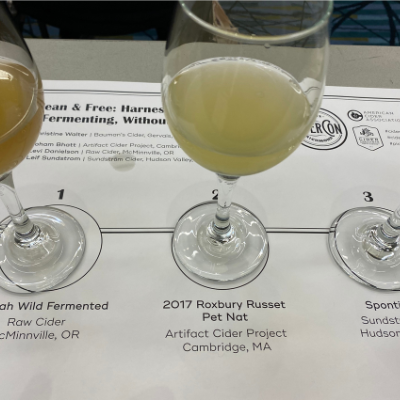
Wild, Clean & Free: Harnessing the Beauty of Wild-Fermenting, Without the Flaws Was presented at CiderCon2022 held in Richmond, Virginia in February. The seminar was moderated by Christine Walter of Bauman's Cider. Three…
312: Angels Dressed Like Bears | Michael Phillips 1957-2022 [not-audio_url] [/not-audio_url]

Duration: 1:05:19
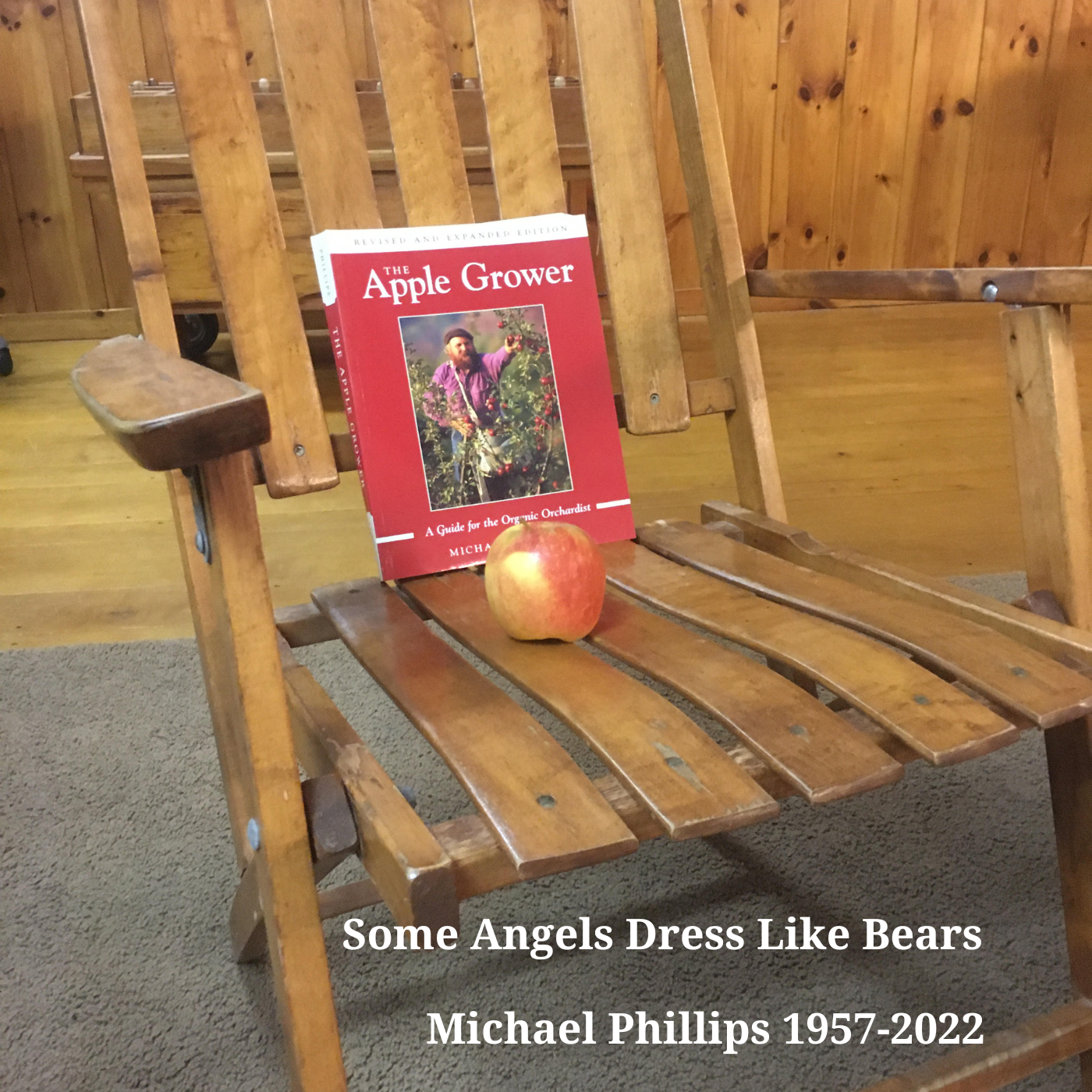
Tribute to Author and Orchardists Michael Phillips I spoke with his long time friend Alan Surprenant of Brook Farm Orchard in Ashfield, Massachusetts on a cool March day a little over two week's after the unexpected pass…
311: Saving Bears by Making Cider | Farmstead Cider, WY [not-audio_url] [/not-audio_url]

Duration: 1:00:52
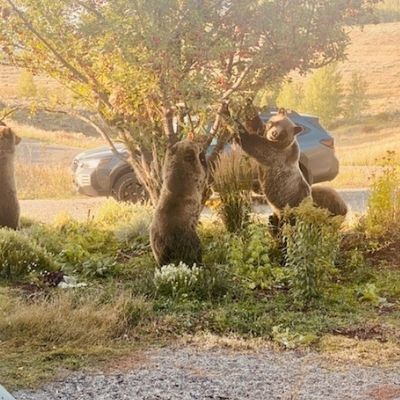
Farmstead Wyoming's First Commercial Cidery Ian McGregor who cofounded Farmstead Cider with Orion Bellorado holds the title of being both the first commercial cidery in the state of Wyoming and as of this episode publish…
310: D.O.P.E. Cider House & Winery | Youngstown, OH [not-audio_url] [/not-audio_url]

Duration: 52:44
The DOPE Brand Hannah Ferguson is giving us all a reason to visit Youngstown, Ohio. Her DOPE brand is helping to introduce the city to cider like never before. The bio says that the DOPE brand is about a "Winemaker, Mark…
309: Blue Bee Cider | Richmond, VA [not-audio_url] [/not-audio_url]

Duration: 53:36
Blue Bee Cider Founder Courtney Mailey Courtney Mailey, always knew she wanted to be a farmer of sorts. In the high school she took part in an aptitude test with the result showing that she was to be a farmer. By the way…