382: Beginner Tips for Squeaky Clean Cider Equipment

382: Beginner Tips for Squeaky Clean Cider Equipment

Author: Ria Windcaller: Award-winning Cidermaker, Podcaster | Craft Beer Columnist October 11, 2023 Duration: 39:04

Dive into cider making essentials. Learn the importance of pristine equipment and elevate your cider's quality. Ideal for beginners starting their journey.

Tip #1: Understanding the Importance of Sanitation

Sanitation is critical to cider making, because apple juice creates an environment where not just our chosen yeast can thrive, but also where harmful microbes can multiply. And these microbes? They can spoil your entire batch of cider.

"Spoiled" cider produces off-flavors when undesirable bacteria and wild yeast get a foothold. These undesirable flavors can range from a medicinal or band-aid taste, caused by phenolic compounds, to a buttery flavor from diacetyl, or even a vinegar-like sourness from acetobacter bacteria.

And it is not just about taste. Some strains of bacteria, like those producing mycotoxins, can potentially be harmful when consumed. While most off-flavors might just lead to a cider that's unpleasant to drink, certain microbial contaminants can lead to digestive issues or worse. That's why we can't stress enough: Sanitation isn't just for taste; it's for your health and safety too.

Tip #2: Cleaning vs. Sanitizing – Know the Difference

To keep those unwanted microbes at bay, you need to both clean and sanitize. And while they might sound similar, they serve distinct purposes. Cleaning removes visible dirt and residues, whereas sanitizing goes a step further, eliminating or reducing those unseen, harmful microbes that can jeopardize your cider.

Tip #3: Choosing the Right Sanitizer

As you venture into cider making, you'll hear about various sanitizers. Two of the most popular ones are Iodophor and Star San. Both are effective, but they cater to different preferences.

Personally, I lean towards Iodophor. It's an iodine-based sanitizer, and when used at the correct concentrations, it doesn't leave any taste or residue on your equipment. There are two big advantages especially for a beginner maker who is watching costs. Iodophor is less expensive than Star San. The amount need to clean a 5 gallon carboy is minimal, so a little bit goes a long way. However, be cautious about staining, as it can leave marks on plastics if left for too long.


Star San, on the other hand, is acid-based. It's known for its foaming action, which can be useful as the foam can reach nooks and crannies you might miss otherwise. Some fermenters swear by the phrase "Don't fear the foam," because even if some foam is left behind, it won't harm your brew.


Tip #4: Ensure you're using your sanitizers correctly.

Both Iodophor and Star San need to be diluted. With Iodophor, typically, a concentration of about 12.5 ppm, or roughly one teaspoon per 5 gallons of water, is recommended. It's crucial to let your equipment sit in the solution for at least 2 minutes to effectively sanitize.

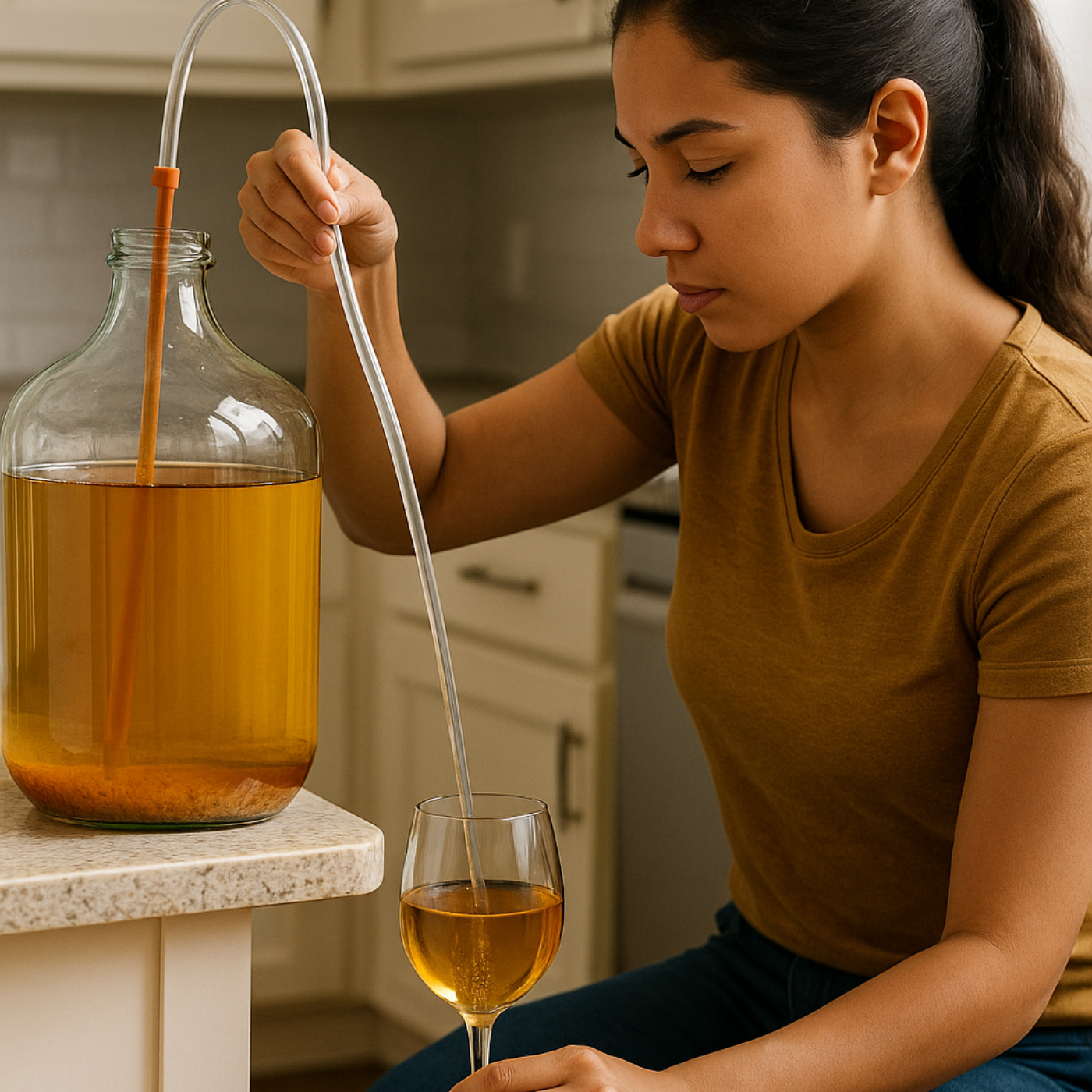
If you are a beginner make sure to listen to the tips on this episode to hear swish the sanitizer around in a large glass carboy (5-6 gallons) without compromising your back.

With Star San, the usual dilution is 1 ounce to 5 gallons of water. The contact time is also roughly 2 minutes. Always refer to the manufacturer's instructions to get the best results, as improper dilution can either render the solution ineffective or potentially harm your cider.

Tip #5: Clean as You Go - true for Beginner and Seasoned Makers!

Clean as you go, might sound trivial, but it's a game changer. Whether you're transferring juice, checking specific gravity, or bottling your finished cider, always clean and sanitize the equipment immediately after use. This practice will not only make the cleanup process less daunting but also reduce the risk of contamination in your next brewing session

Equipment List for Cleaning Cider Equipment

    • Solutions

    • Brush for bottle

  •  

  •  


Mentions in this Chat


There’s a whole world in a glass of cider, and Cider Chat is your invitation to explore it. Hosted by award-winning cidermaker and writer Ria Windcaller, this podcast travels far beyond the bottle to meet the people who make the global cider culture so vibrant. Each conversation is a journey-you might find yourself in a heritage orchard learning the history of forgotten apple varieties, in a bustling taproom with an importer explaining regional traditions, or in a kitchen with a chef pairing cider with unexpected foods. The discussions get into the delightful nuances, too, whether that’s the semantics of what we even call this drink or how the concept of terroir translates from soil to sip. It’s not just about production; it’s about the community, the travel, and the stories that fermentation unlocks. This is for anyone curious about the craft, history, and sheer enjoyment of fermented apple juice in all its forms. So, pour a glass and settle in for a series that feels like a wide-ranging, informative, and genuinely good-humored chat with friends who happen to be obsessed with cider. You’ll come away with a deeper appreciation for every effervescent, tart, or sweet sip, hearing directly from the growers, makers, and enthusiasts who are shaping this drink’s exciting present and future.
Author: Language: English Episodes: 501

Cider Chat
Podcast Episodes
478: Pommeau: What Happens When a French Classic Lands on U.S. Labels [not-audio_url] [/not-audio_url]

Duration: 51:18
What is Pommeau? Pommeau is a: fortified blend of fresh apple must (unfermented) and apple brandy (typically Calvados in Normandy or Lambig in Brittany). The unfermented apple juice and brandy are combined before ferment…
477: 2025 Ultimate Cider Pairing Guide for Thanksgiving [not-audio_url] [/not-audio_url]

Duration: 39:38
Learn how to pick the right Cider and Perry for every dish on the Thanksgiving table. This week we are not chasing brand names. We are building flavor intuition. Consider Thanksgiving not as one single taste on a plate;…
476: Be Medieval, Rack that Cider| Secondary Fermentation [not-audio_url] [/not-audio_url]

Duration: 46:18
How to clarify, stabilize, and finish cider the right way The Purpose of Secondary Fermentation when Making Cider Once the apple juice has started fermented and it is now slowing down, it is time to rack over your cider…
473: Tiny Bubbles | How to Make a Pét Nat Cider [not-audio_url] [/not-audio_url]

Duration: 44:53
What makes a Pét Nat cider sparkle naturally and how is it connected to the rural method you might have heard about in the UK? In this episode, we take a practical look at: What Pét Nat cider is and how it relates to the…
471: Cider Tourism 101 | Newton Court, UK [not-audio_url] [/not-audio_url]

Duration: 57:50
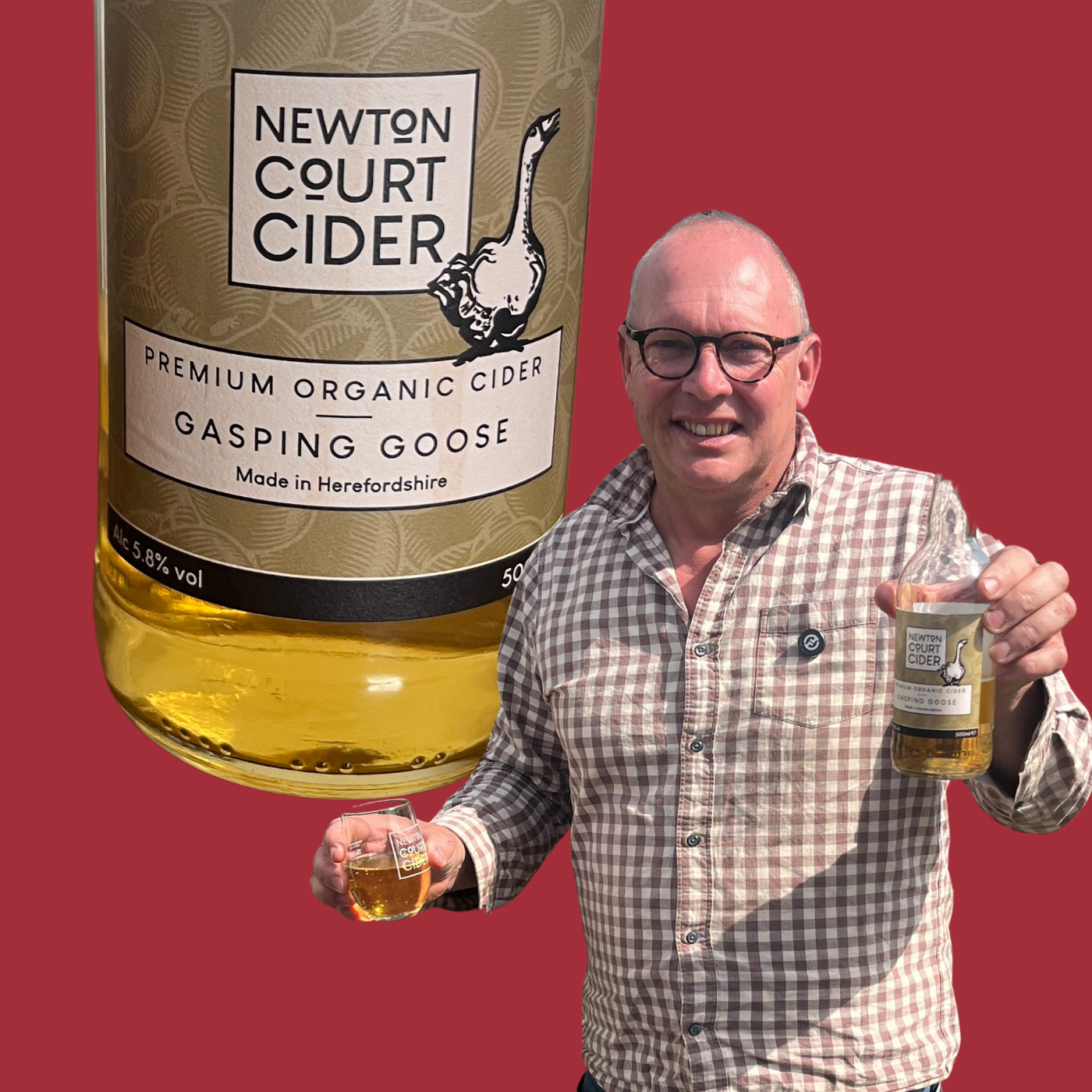
Newton Court Cider began as a 30-acre farm selling apples to Bulmers. When the market changed, Paul Stephens turned those same orchards into a modern day cider business. Front view of Newton Court's restaurant and visito…
470: Hedgers, Crossman's, and Coates: UK Cider's Entwined Histories [not-audio_url] [/not-audio_url]

Duration: 53:55
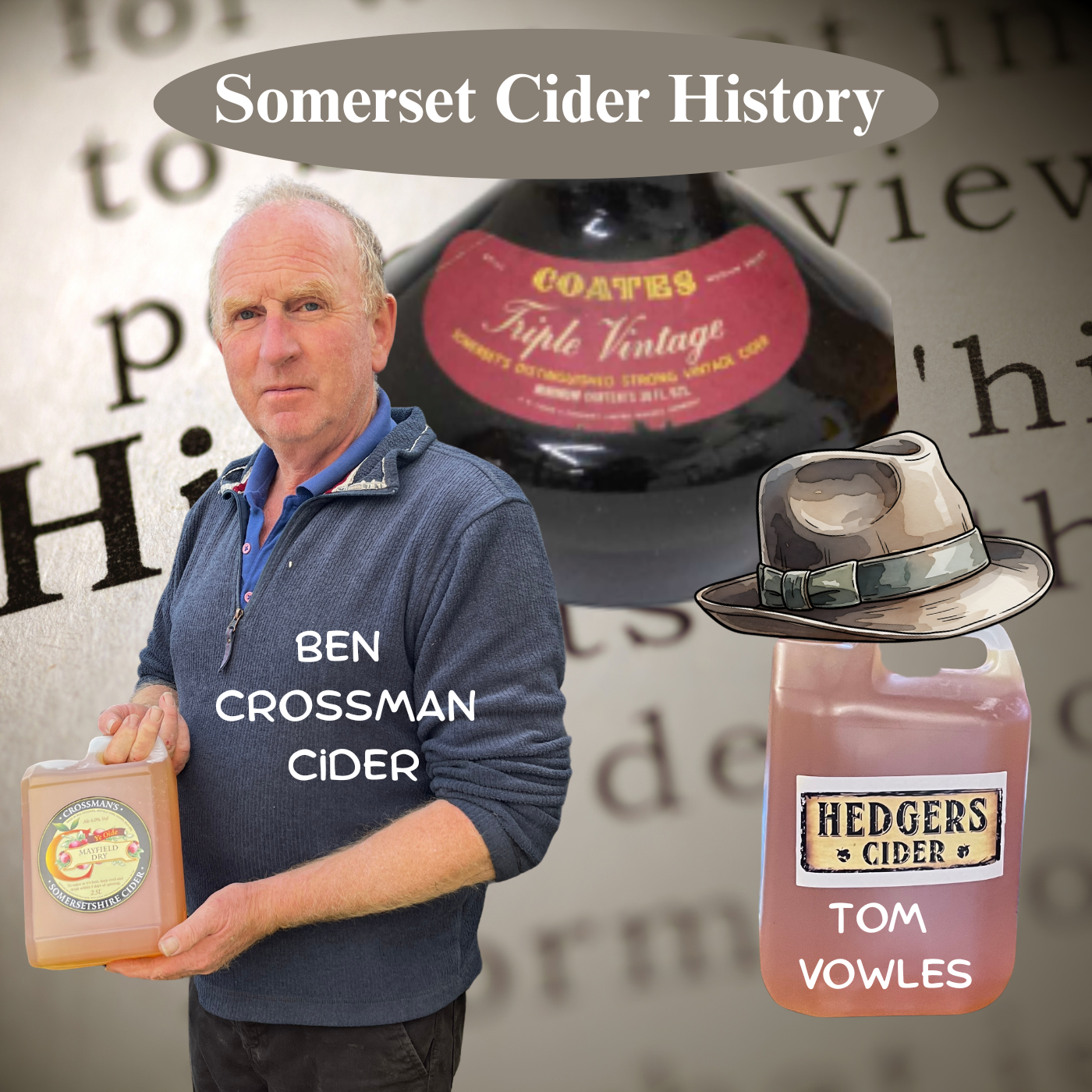
In October 2024, Cider Chat MC Ria Windcaller recorded with Tom Vowles of Hedger Cider and Ben Crossman in Somerset. Initially, the two recordings felt like separate brand stories. Then, nearly a year later to the day as…
469: Getting Lost, So You Don't | UK Totally Cider Tour 2025 Recap [not-audio_url] [/not-audio_url]

Duration: 1:13:58
UK Cider Tour 2025 Audio Snap Shots Wallace and Ria in Bristol In this Episode 469 of Cider Chat, we brings listeners inside the UK Totally Cider Tour 2025 through the voices of the guests who joined. From Somerset, Glou…