I am currently spending some time with this beautiful teaching poem, Affirming Faith in Mind as part of Autumn Ango through ZCO. As I was reading it this week, I thought about how would I summarize this teaching in one sentence. I came up with:
Everything’s Included on the Path!
Everything is included.
Maybe it seems too simple, too obvious. And yet, how often are we looking outside of our experience for satisfaction, the answer, some-thing-else.
How could it be that our doubt, fear, the wars and violence we bear witness to, as well as the love, pain, empathy, grief, sadness we feel is part of awakening?
That anything the mind thinks, or the body feels. Not just the good feelings, the spiritual thoughts—but everything. Everything is included, is an expression of the Awakened Heart. Is liberation itself.
If everything is included. What does that mean for our living? For our practice?
Maybe best not to try to make meaning of it. But to practice, to live with this inquiry. For faith is something we discover through our embodiment.
So we can ask, we can invite—Can I practice here? With these emotions? In this relationship? In this political environment? With this activation?
When I am triggered or hurting—what does practice look like, where can I find refuge?
Sometimes we imagine that if our meditation or dharma practice was “working” we would get immediate relief from the challenging emotion, the pain, the difficult belief. Or we would have the answer about how to respond to the complex relational and societal patterns we are a part of. Though sometimes astonishingly this does happen. I find that practice often offers a little more space, to be with and recognize things as they are.
Practicing the all-inclusive heart can take many forms.
At this time of year in the Zen Buddhist tradition we have rituals for turning towards the monstrous, neglected, wayward, confused, unruly energies in ourselves and the world—energies that we are often trying to control, get-in-line or banish.
One Hundred Demons Night Parade
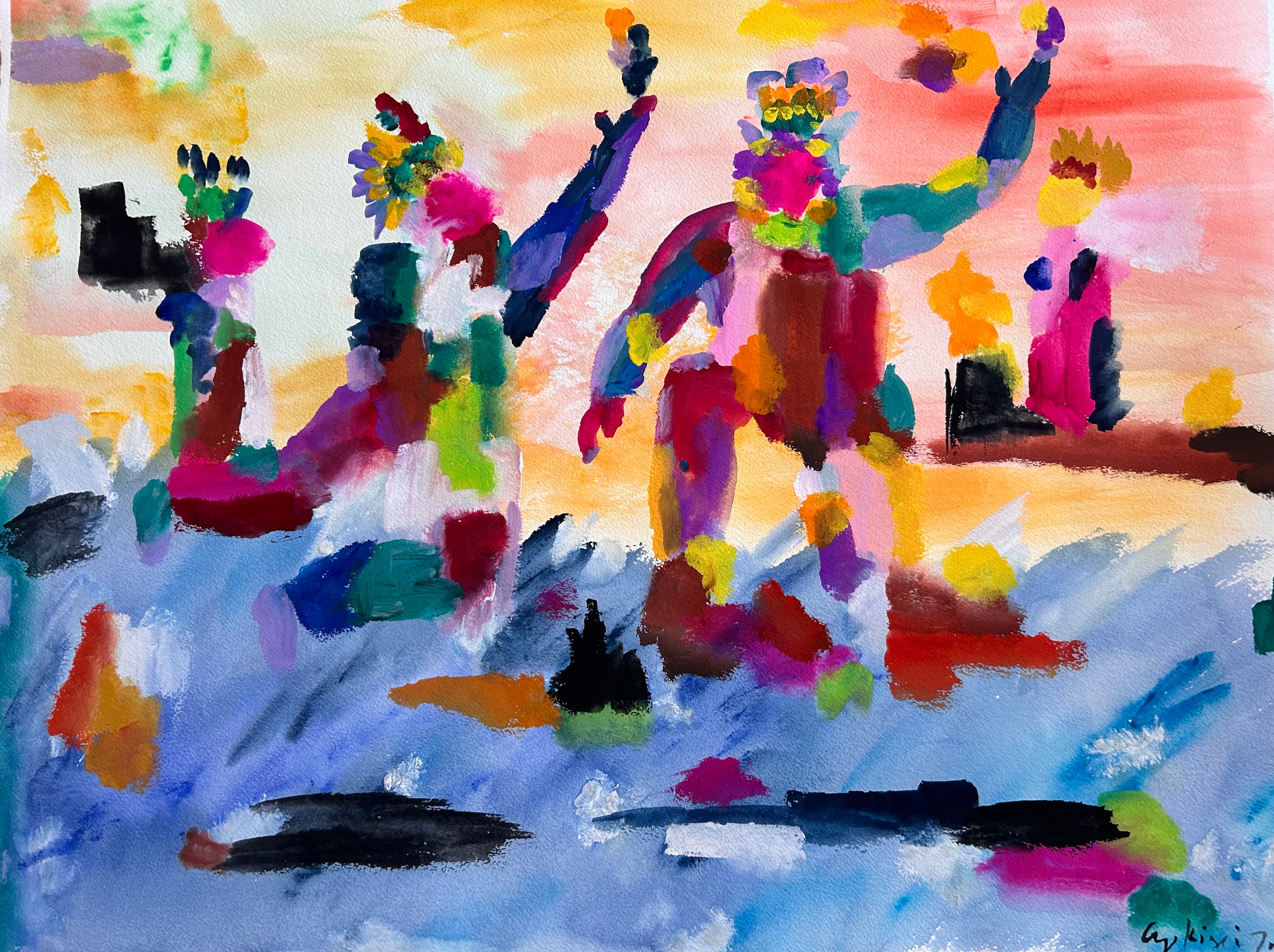
At Mud Lotus Sangha on Sunday night we did a practice of the 100 Demons Night Parade. It was inspired by a scroll that the 17th Century Zen Master, Hakuin Zenji painted. The 100 Demons Night Parade or Hyakki Yagyo is a procession of the supernatural from Japanese folklore, that artists would often attempt to depict. It is said that Hakuin allowed his inner demons to take form and join this other worldly night parade.
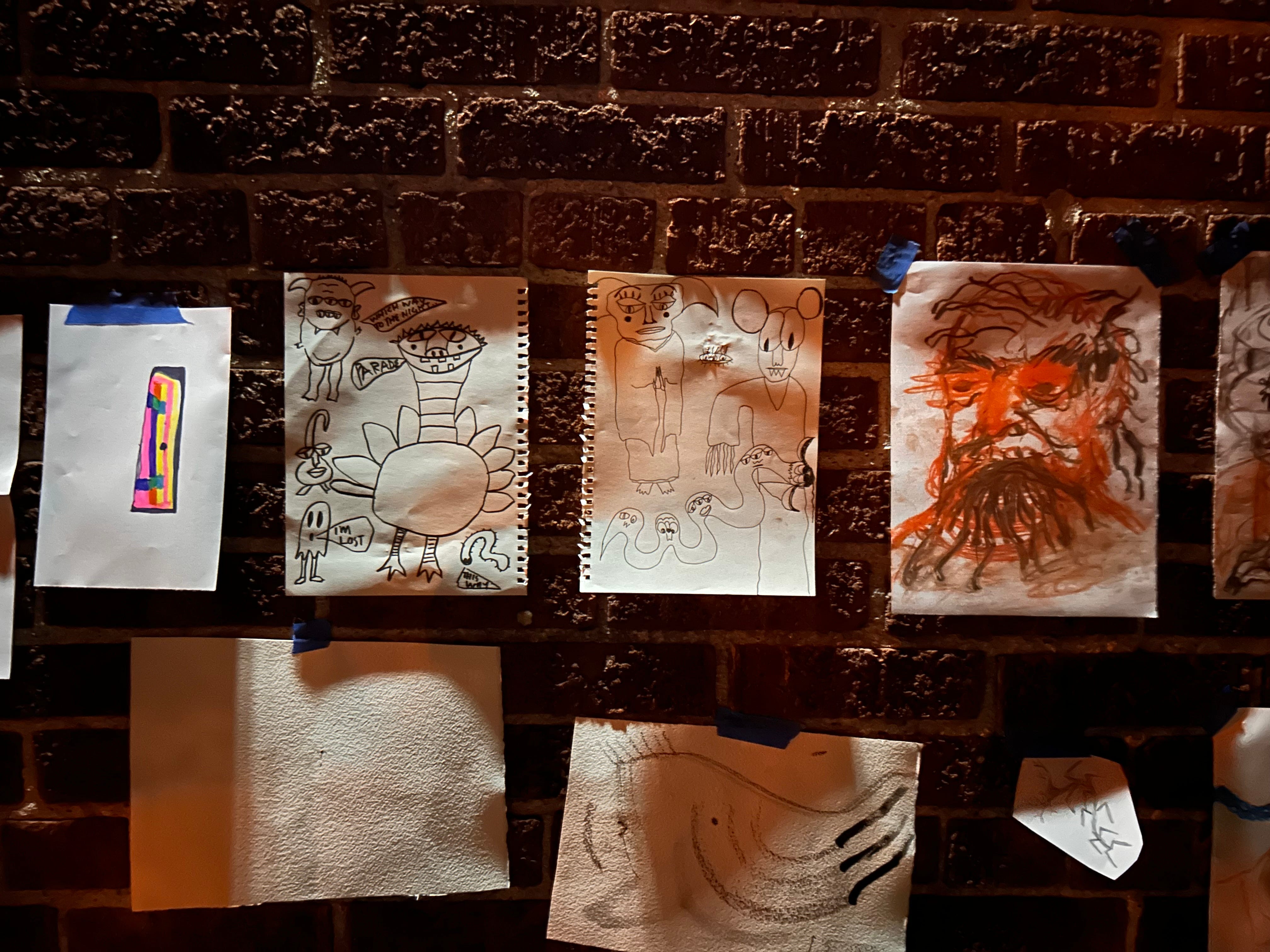
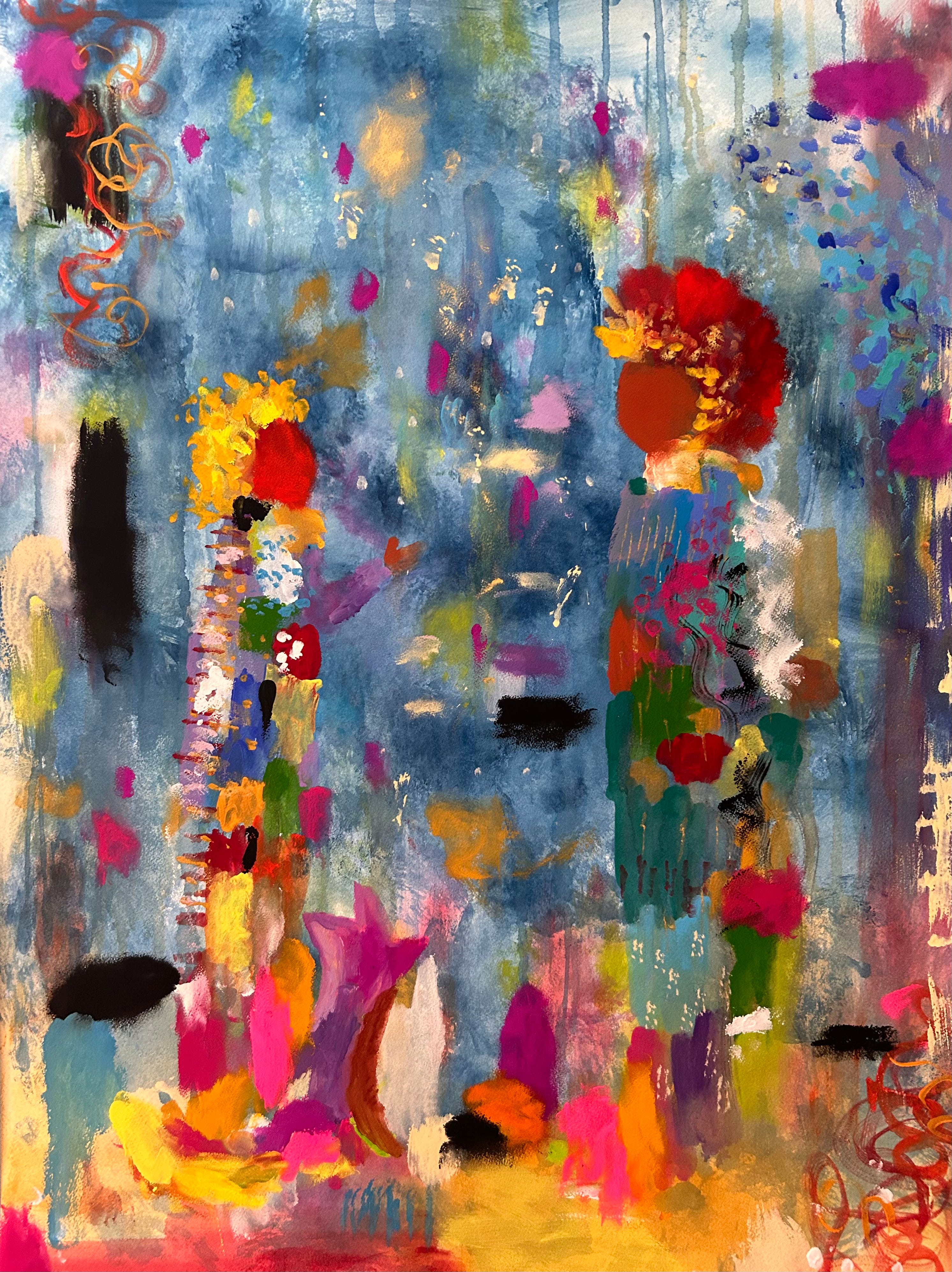
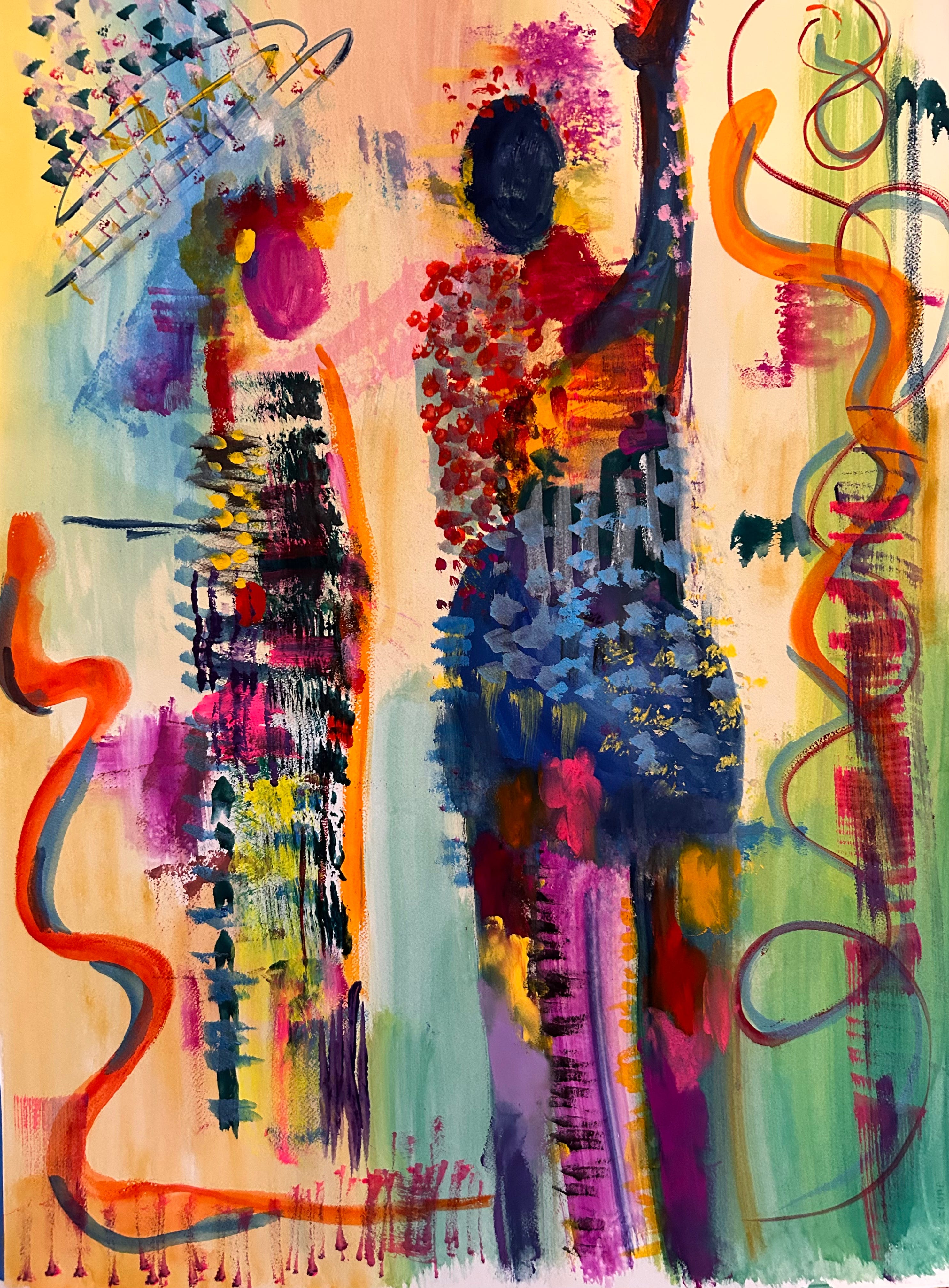
So we drew our demons, inner enemies, monsters, hungry ghosts—as a practice and way of expressing inner thoughts/feelings through art. Many people remarked that what feels scary or frightening inside—actually looked scared on paper. Others said that they recognized that all their demons seemed connected around a fundamental belief or feeling.
We taped our pictures on the wall. It felt easy in that form to accept and love these creatures—that represented our challenges, fears, pains and struggles, the parts of ourselves that at times feel difficult to love. They were cute, awkwardly fearsome, sad and lonely beings.
What is a demon, anyway?
The 12th Century Tibetan Yogini Machig Labdron defines a demon as “whatever appears to hinder liberation—awakening to true nature.”
What hinders awakening? Can anything hinder awakening?
Yet, sometimes we feel hindered. Sometimes awakening seems 100 demons away.
Machig Labdron categorized these “demons” or apparent hinderances to liberation into four categories.
* Outer Demons—situations and circumstances outside of our control, this includes other people, organizations, institutions, diseases, wars, relationships that we tend to blame or feel burdened by in some way
* Inner Demons—the thoughts, emotions, feelings, sensations, beliefs that we have a tendency to identify with, evade, push away, attempt to control or fight with this can include pain, irritation, rage, fear, anxiety, doubt, unworthiness, shame, disappointment, sadness, feeling not-good-enough, etc. (she also called the inner demons, the demons that go on and on and on…referring to mind’s capacity to constantly generate/pick-up on new information, stories, memories, etc)
* Demons of Elation—pride and the good feelings that we tend to identify with but in doing so they make us feel as if we are superior to others
* The Demon of Self-Clinging—our mis-identification with this elusive sense of self and our strategies of “selfing”
Machig developed a practice for meeting these demons with wise unconditional love. A practice that sprung from her own meditation experience.
One night she was meditating in a tree over a lake when suddenly the Naga-protector of the lake appeared and threatened her. Instead of retreating in fear or engaging in a fight with the Naga, Machig offered her body. The Naga-protector was so moved by Machig’s selfless generosity that he offered to be her protector.
Making Friends with the Monstrous
The practice Machig developed is called Chod. It is a practice of all inclusive awareness, where everything and everyone is included. Her practice was to invite all the demons to a feast—the difficult people, the troubling emotions, the waring countries, the greedy billionaires, the sicknesses, the fears, the anxieties, the pride—as well as all the buddhas, bodhisattvas, guardian spirits, dharma protectors. You invite them all. And your body becomes the offering.
This is a deep practice of prajna wisdom and generosity, recognizing that all that appears has this same root of Mind. All the demons, all our troubles, all the greed in the world, all the enlightened states of mind and heart—it all comes from the same source and appears in the same heart-mind of liberation.
In Zen we have a similar practice called Sejiki or The Ceremony for the Hungry Ghost. It’s a ritual of inviting the lost, confused, needy-at-times, wanting parts of us as well as these energies found in the world—to a feast of debauchery. We make an altar with all the things we crave or thirst for, that the hungry ghost desires or reaches for. During the ceremony we invite them to come to the feast, we meet them with love, tenderness, an open heart of understanding as well as clear seeing.
In this meeting transmutation is allowed to occur, like Machig’s Naga protector —in the space of kind acceptance and non-judgmental generosity transformation happens. We see the ghosts for who they really are, not monsters to be feared or gotten rid of—but creative, unruly-at-times, confused-at-times, fun-loving, a bit wayward energies that want satisfaction—the deep satisfaction of liberation —truly they are allies on this path!
They are manifestations of bodhicitta—the deep-heart-vow for awakening.
Ritual is powerful. We will be doing a version of the Sejiki Ceremony this coming Monday, you are invited to join! Information can be found below.
Weekly Online Meditation Event
Hungry Ghost Ceremony and Meditation Monday Night Dharma — Monday, Nov 3rd 6P PT / 9P ET. Join weekly for drop-in meditation and dharma talk. This week we will be doing a ceremony for the hungry heart. There will be a guided meditation to help us connect with this energy, a short dharma talk and ceremony. You are invited to bring an offering for your hungry heart. This could be something that represents what you crave, reach for, long for, want, desire. Also bring a small piece of candy that we will offer to the hungry heart during the ceremony.
Feel free to join anytime. Event lasts about 1.5 hours. ZOOM LINK
In-Person in Columbus, Ohio through Mud Lotus Sangha
Weekly Meditations on Tuesday, Wednesday and Thursday
Retreats, Meditation instruction and other events can be found on our website.
Earth Dreams is a reader-supported publication. To receive new posts and support my work, consider becoming a free or paid subscriber.
I’m Amy Kisei. I am a Zen Buddhist Teacher, Spiritual Counselor, Astrologer and Artist. I offer 1:1 Spiritual Counseling sessions using IFS and Hakomi (somatic mindfulness). I also offer astrology readings. Check out my website to learn more. I currently live in Columbus, OH and am a supporting teacher for the Mud Lotus Sangha.
This is a public episode. If you'd like to discuss this with other subscribers or get access to bonus episodes, visit
amykisei.substack.com/subscribe